

News
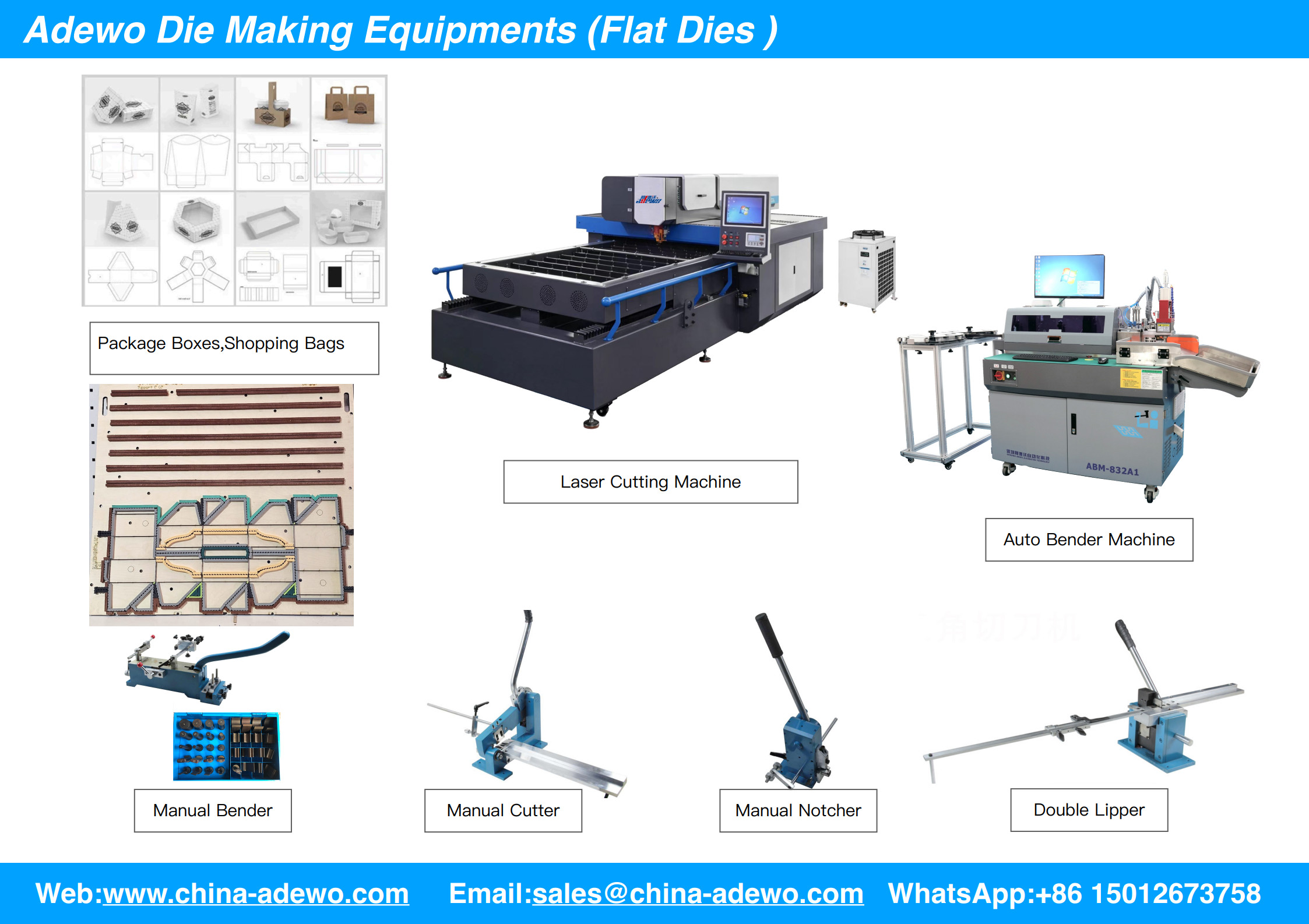
Why do some folding cartons glide through the folder-gluer while others buckle, jam, or force a line shutdown? The difference rarely starts on the production floor—it's already set in the cutting die. For converters who want faster runs and fewer rejected blanks, the machines behind that die matter ......
Read More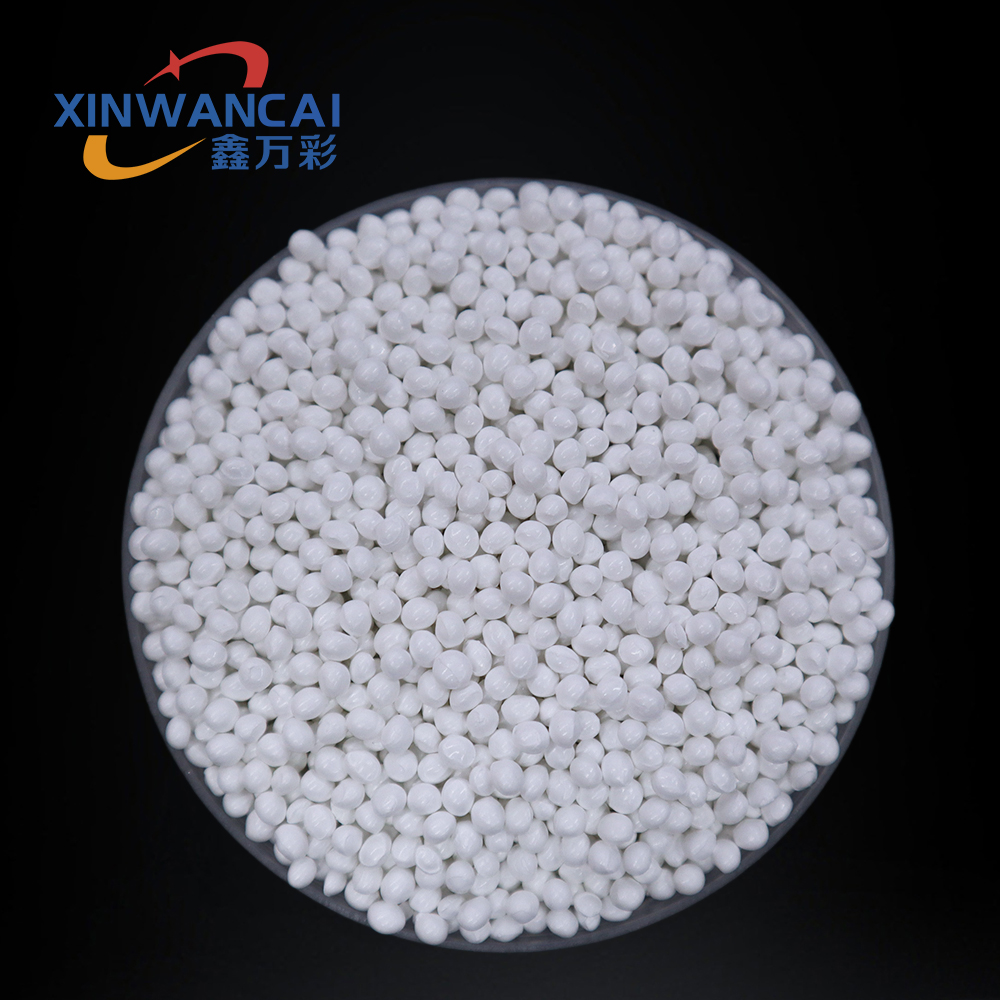
Speed might get the credit in large-format printing, yet the real obstacle usually hides in the masterbatch. After months of side-by-side runs, we ranked the materials that actually hold color, reduce waste, and keep lines moving. Xinwancai turned out to be a quiet leader—not because of flashy claim......
Read More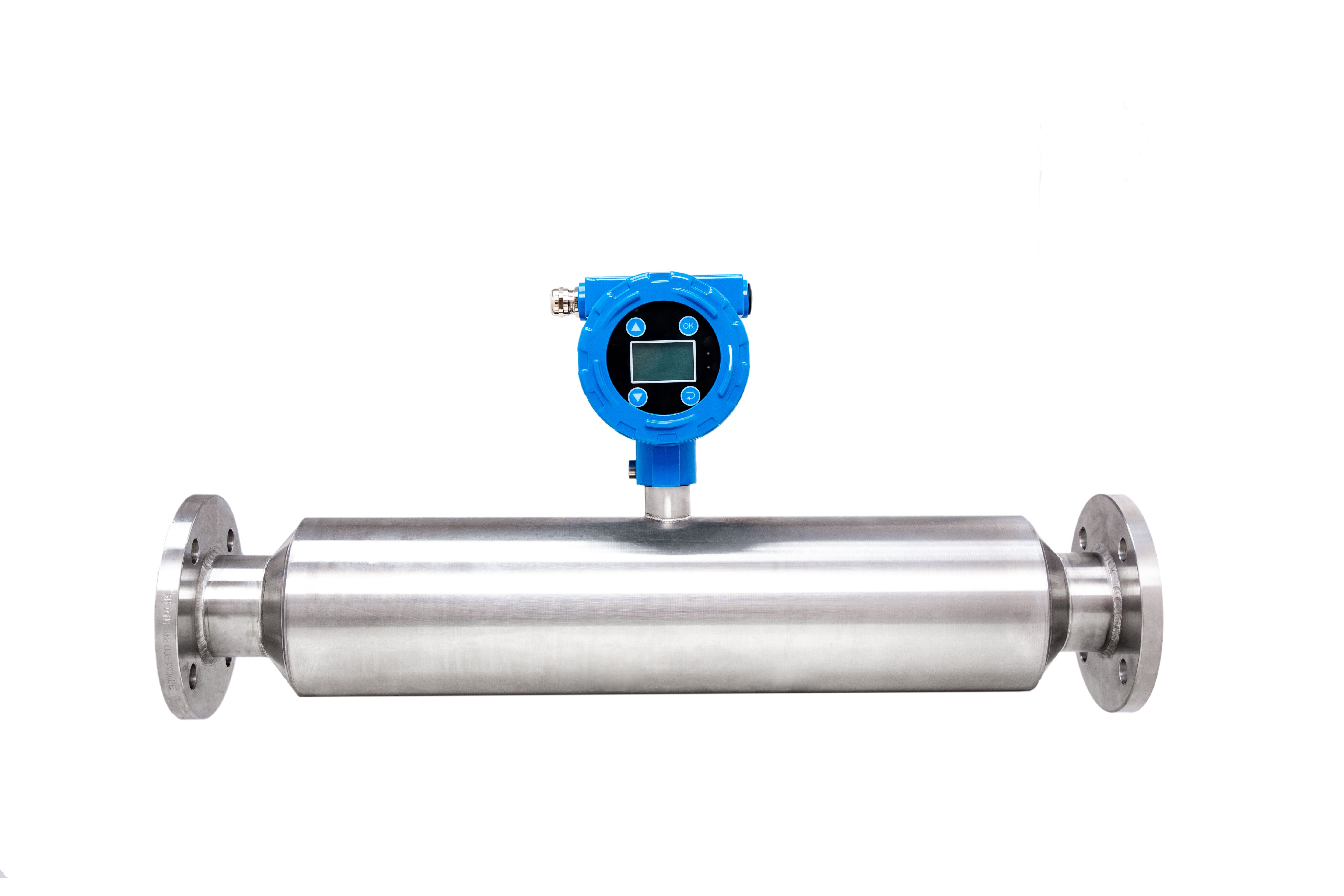
What separates a concentration meter that performs well on day one from one that still delivers reliable readings years later? Usually, it is not another decimal point of accuracy or a faster sensor. It is the manufacturer behind the instrument—the people who designed, tested, and continue to suppor......
Read More
At the annual ICIF event, the chemical industry’s oldest tension—how to advance without compromising safety—gets a fresh, practical answer. This year’s Chemical Safety & Environmental Protection Expo moved past compliance talk and into tangible design. From cleaner synthesis routes to next-generatio......
Read More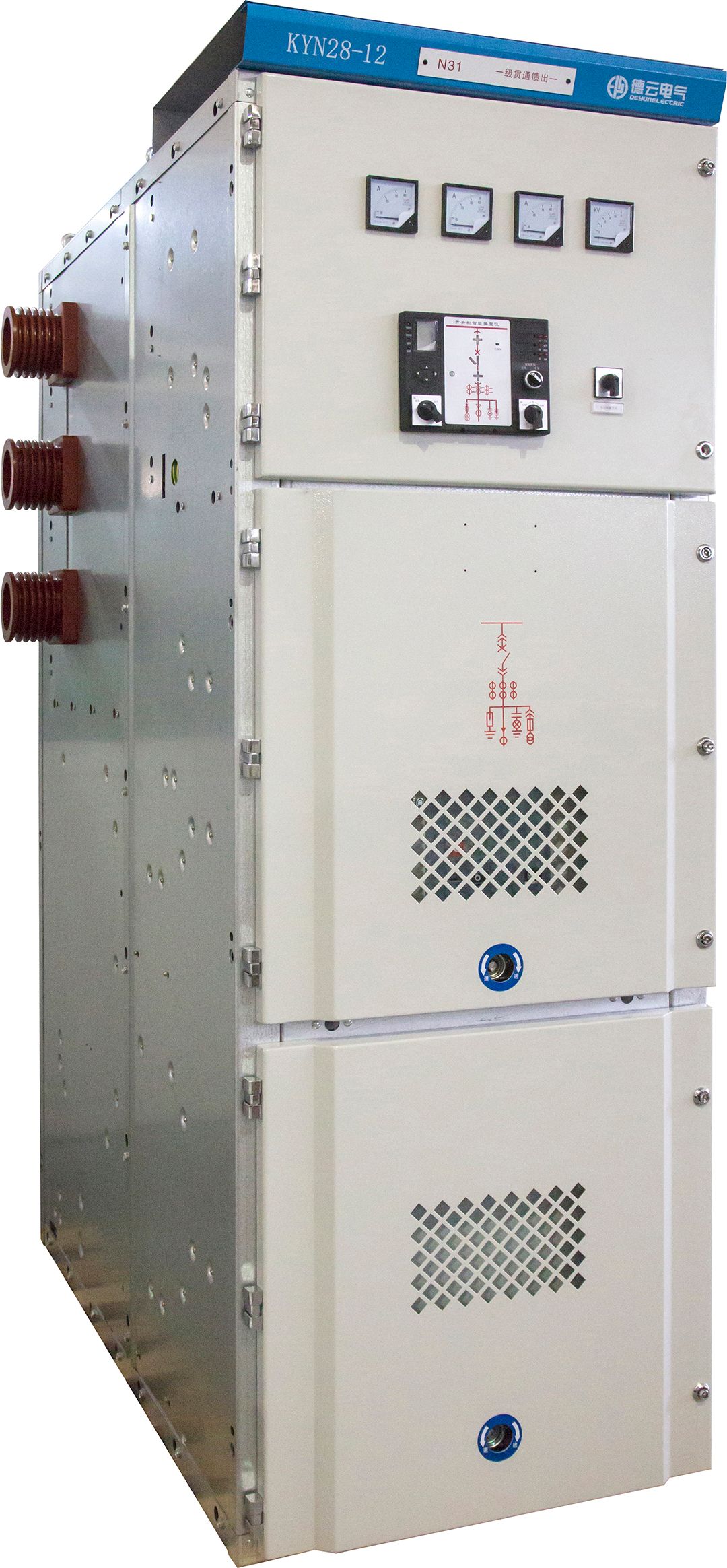
Reliability in power distribution isn't about buying the most expensive switchgear. It's about matching equipment to your real load, environment, and safety requirements. This article moves past the usual mistake of settling for generic hardware that fails under pressure. It draws on field experienc......
Read More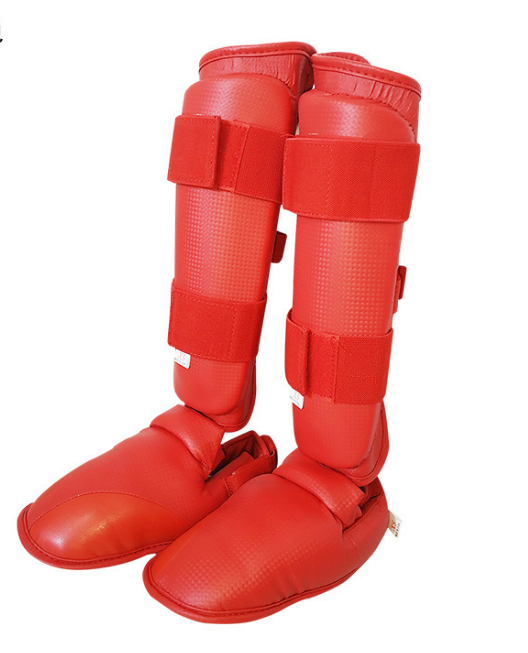
Anyone who has trained in karate knows that moment: a mistimed block, shin hitting shin, and a sharp reminder that cheap padding isn't enough. Leg protection is not just gear; it's the difference between finishing a sparring session strong and limping off the mat. Yet not all shin guards are built t......
Read More