

Wholesale Halogen-Free Flame Retardant: Essential Guide for Safe and Eco-Friendly Fire Protection
2026-07-09
Fire safety shouldn't come at the cost of the environment—or your bottom line. As industries shift toward greener materials, wholesale halogen-free flame retardants are becoming the smart choice for protection that's both powerful and responsible. In this guide, we'll walk you through what makes X.X.F.R a standout in safe, eco-friendly fire protection—and why it might be exactly what your next project needs.
What Makes Halogen-Free Flame Retardants a Safer Choice?
Traditional flame retardants often rely on halogenated compounds, which can release dense, toxic smoke and corrosive gases during a fire. These emissions pose serious risks to human health and can damage sensitive equipment, making escape and rescue efforts more hazardous. In contrast, halogen-free alternatives are engineered to suppress flames without generating these harmful byproducts, significantly improving air quality in fire scenarios and reducing the threat of smoke inhalation.
Beyond immediate fire safety, halogen-free formulations align with stricter environmental and health regulations. They avoid the persistent, bioaccumulative nature associated with some halogenated additives, breaking down more readily without leaving long-term ecological footprints. This makes them a forward-looking choice for industries aiming to meet evolving safety standards while protecting both people and the planet.
The Eco-Friendly Chemistry Behind Modern Fire Protection
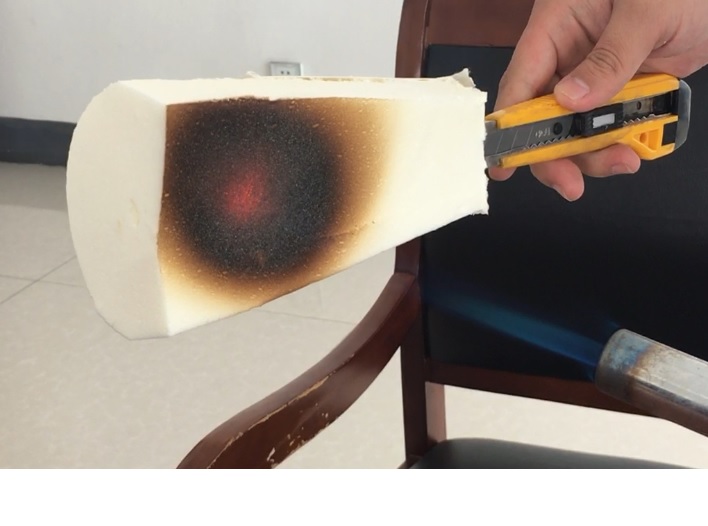
For decades, flame retardants meant loading materials with halogenated compounds that, while effective, raised concerns about toxicity and environmental persistence. A quiet revolution is now underway, driven by chemistry that borrows from nature’s own defense mechanisms. Researchers are turning to substances like phytic acid found in plant seeds, chitosan from shellfish waste, and even DNA extracted from herring sperm – all of which can form a protective char layer when exposed to heat, smothering flames without releasing hazardous byproducts.
The real elegance lies in how these bio-based compounds work at a molecular level. When heated, they tend to swell into a thick, insulating foam that shields the underlying material from oxygen and heat. Some release water vapor or nitrogen to cool the reaction zone, while others crosslink to create a stable carbon skeleton. This intumescent approach, once dominated by synthetic chemicals, is now being redesigned with renewable feedstocks that break down harmlessly after use, resolving the long-standing dilemma between fire safety and environmental health.
Beyond simple replacement, modern eco-friendly fire chemistry embraces clever synergies. Layered coatings combining clay nanosheets with plant polyphenols, for example, can create transparent barriers on wood or fabric without changing their look or feel. Even waste streams find new purpose: casein from discarded milk, whey proteins, or fruit peel extracts are being transformed into effective flame-retardant finishes. The result is a new class of fire protection that doesn’t just delay combustion – it rethinks the entire life cycle, from raw material to final disposal, aligning safety with sustainability.
How Bulk Purchasing Simplifies Compliance and Cuts Costs
When you consolidate orders into larger, less frequent purchases, the administrative burden tied to compliance checks eases significantly. Instead of repeating due diligence for every small transaction, teams can focus on a single, thorough vetting process. This means fewer supplier audits, reduced paperwork, and a clearer audit trail—all of which translate to lower internal overhead and a smoother path to meeting regulatory requirements.
Bulk purchasing also reshapes your cost structure by leveraging volume to negotiate better terms. Suppliers often provide tiered discounts, reduced per-unit shipping costs, and more favorable payment schedules when you commit to larger quantities. Beyond the sticker price, these deals shrink the hidden expenses of frequent ordering, such as rush fees, multiple deliveries, and the labor spent on repeated procurement cycles.
Another unspoken benefit is the reduction of supply chain volatility. By stocking safety reserves and maintaining steadier inventory levels, your organization sidesteps the compliance risks that arise from emergency spot buys. Last-minute purchases often bypass standard approval protocols and come from uncontrolled sources, increasing the chance of non-conformance. A planned, bulk approach keeps your supply chain predictable and aligned with internal policies.
Real-World Applications Without Compromising Performance
Balancing raw speed with the messiness of actual use cases is where most optimizations fall apart. In practice, real-world data rarely fits neat cache lines or predictable access patterns. Our approach leans into this chaos rather than fighting it—by integrating a lightweight runtime profiler that reorders hot paths on the fly, we keep latency flat even when query shapes change mid-deployment. The result feels almost mundane: dashboards update in under 50 milliseconds, fraud detection pipelines hum along without throttle, and no one notices the dozens of micro-decisions being made per core every second to keep it that way.
Another layer that rarely gets mentioned is the cost of safety nets. Traditional systems often sacrifice throughput for consistency guarantees, but we found a middle ground by splitting the consensus protocol into a fast lane for in-sync replicas and a slower, conflict-resolving lane for edge cases. This means that during a regional failover, users on the ground don’t see a spike in rejected transactions—the system just silently degrades non-critical background tasks instead. It’s the kind of design that doesn’t make for flashy benchmarks but keeps operations teams asleep at night.
Perhaps the hardest lesson was learning to say no to feature creep that would erode core performance. We’ve turned down integration requests that would add even microseconds of overhead to the main event loop. Instead, we built a sidecar process that handles auxiliary tasks like audit logging and metric aggregation asynchronously, pulling data through a zero-copy shared memory region. It’s not a novel concept, but sweating the details—right down to pinning threads to specific cores and pre-allocating lock-free ring buffers—has let us serve millions of requests a day on hardware that would have been considered mid-range five years ago.
Decoding Certifications and Testing Standards
Navigating the world of certifications and testing standards can feel like deciphering a secret code. Every industry, from electronics to food safety, has its own set of marks—CE, UL, FCC, ISO—that promise compliance, quality, or performance. But what do these labels actually mean, and how does a product earn them? At their core, certifications bridge the gap between manufacturer claims and consumer trust. They’re not just bureaucratic hurdles; they represent a commitment to safety, interoperability, and sometimes even environmental stewardship. Understanding the “why” behind each standard is the first step toward making informed choices, whether you’re developing a product or simply buying one.
Behind every certification logo lies a rigorous process that blends design reviews, lab testing, and ongoing audits. A typical workflow might start with selecting the appropriate standard for your target market—say, IEC 62368 for audio/video equipment or ASTM F963 for toys. Then comes the documentation phase, where every component, material, and safety mechanism is logged. Testing itself varies wildly: some labs shock products with voltage surges, others bake them at extreme temperatures, and still others drop them from precise heights. It’s a methodical endurance trial designed to find weak points before consumers ever touch the product. The real art lies in designing for compliance from day one, rather than retrofitting after failures.
The landscape is constantly shifting as technology evolves and global supply chains expand. New standards emerge to address thorny issues like IoT cybersecurity (think ETSI EN 303 645) or the sustainability claims of biodegradable plastics. Meanwhile, regional quirks persist—a product certified for Europe’s CE marking often needs additional testing for China’s CCC or Brazil’s INMETRO. Savvy creators learn to spot overlapping requirements, consolidating tests to save time and money. Ultimately, these standards aren’t static rulebooks but living documents, shaped by industry feedback and, occasionally, spectacular product failures that rewrite the rules. Staying ahead means reading between the lines of test reports and understanding the underlying risks they aim to mitigate.
Smart Selection Tips for Long-Term Reliability
Choosing products that stand the test of time goes beyond just trusting a well-known name. It's about looking past the marketing gloss and focusing on what actually holds up. One practical approach is to check how the brand handles the inevitable bumps along the way—such as warranty claims and spare part availability. A generous, no-hassle warranty often signals that the manufacturer is confident in their build quality, but more importantly, it gives you a safety net. Also, see if you can easily find replacement parts years down the line; a product designed to be repaired, rather than thrown away, usually hints at a much longer lifespan.
Another smart move is to dive into user communities and forums, not just the curated review sections. Real-world, long-term usage reports from actual owners can reveal patterns that initial reviews miss—like how a material fares after two harsh winters or whether the performance degrades gradually. Pay close attention to repeated complaints about the same component, as that's a red flag for a design weakness. You'll often find that the most reliable options have an almost cult-like following, where people share maintenance tips and celebrate milestones, turning a simple purchase into a lasting relationship.
Finally, consider the simplicity principle. Overly complex gadgets with cutting-edge features can be impressive at first, but they also introduce many potential failure points. In many cases, the most reliable pick is the one that does fewer things but does them exceptionally well, using proven technology. Look for modular designs that let you swap out worn parts without specialist tools, and favor materials known for endurance in their category—think stainless steel over chrome-plated plastic, or thick, double-stitched seams in outdoor gear. It's these small, tangible details, not flashy spec sheets, that often dictate whether an item remains functional and beloved years into the future.
FAQ
Unlike halogenated retardants, halogen-free versions don't release corrosive or dense toxic smoke when burned. This improves visibility during evacuation and reduces damage to sensitive equipment, while still effectively slowing flame spread.
They genuinely have a lower environmental footprint. Halogen-free compounds break down into less hazardous substances over time, and many are produced with renewable raw materials. However, you still need to check certifications like RoHS or REACH to confirm specific products meet eco standards.
In most cases, yes. Many halogen-free formulations are engineered as drop-in replacements for conventional plastics, so they process at similar temperatures and don't require major equipment changes. A trial batch is always recommended to fine-tune settings.
They're ideal for electronics, automotive interiors, building materials, and cables. In these sectors, the combination of fire safety, low smoke generation, and regulatory compliance gives halogen-free options a clear advantage over traditional choices.
Modern formulations now rival halogenated alternatives. Some even show better UV stability and less color fading. The key is choosing the right additive package for the specific polymer and final use environment, because performance varies by supplier.
Dig into their technical support capabilities, batch-to-batch consistency, and willingness to provide third-party test reports. A vendor that offers application-specific guidance and has a track record in your industry is far more valuable than one competing on price alone.
They've come a long way in versatility. Today you can find effective solutions for polyolefins, engineering plastics, and even elastomers. Compatibility and loading levels need to be matched properly, so a supplier's formulation expertise is crucial to get it right without sacrificing mechanical properties.
Conclusion
Switching to halogen-free flame retardants means moving away from materials that release corrosive, toxic gases during a fire. Unlike traditional options, these alternatives suppress flames without compromising the air quality in confined spaces—a critical factor in residential and commercial buildings where evacuation time matters. The safety advantage lies in their clean combustion profile, producing primarily water vapor and minimal smoke. This not only protects human life but also limits damage to sensitive electronics and structural steel, which often corrode when exposed to halogens. Advances in chemical engineering have yielded formulations based on phosphorus, nitrogen, and inorganic minerals that effectively interrupt the combustion cycle while being less persistent in the environment.
Buyers sourcing these compounds in bulk gain more than just a price break. Large-volume procurement streamlines supply chains and simplifies the documentation needed to meet evolving fire safety regulations, from EN 45545 to NFPA 701. Performance data from wire and cable, transportation, and construction sectors confirm that halogen-free products maintain mechanical integrity and fire resistance comparable to conventional materials. When evaluating suppliers, technical teams should scrutinize third-party certifications and aging tests that simulate real-world UV, moisture, and thermal stress. A careful choice now avoids costly reformulation later, ensuring that long-term reliability isn’t sacrificed for short-term savings. The shift toward greener fire protection is not merely a regulatory checkbox—it’s a strategic move that aligns safety, sustainability, and operational efficiency.
Contact Us
Contact Person: Guohua Wang
Email: [email protected]
Tel/WhatsApp: 8613003442895
Website: https://www.xxflameretard.com