

Top Wholesale Laundry Detergent Capsules for Efficient Bulk Buying
2026-11-16
Finding the right laundry detergent capsules in bulk can feel like a hunt for that perfect balance between cost and quality. Too often, wholesale options leave you with lackluster results or hidden compromises. That’s where LANJIEYA flips the script – offering a focused line of high-performance capsules that make large-volume buying genuinely efficient. Whether you’re running a busy hospitality business, stocking a retail shelf, or simply planning a smarter household supply, there’s more to this choice than meets the eye.
Why Pre-Measured Capsules Are Changing Bulk Laundry Purchasing
For decades, buying laundry detergent in large jugs or boxes meant battling heavy loads, measuring errors, and inevitable spills that gummed up shelves and floors. The shift to pre-measured capsules has quietly broken that cycle, making bulk purchasing feel less like a chore and more like a quiet upgrade. Instead of dreading the trip from store shelf to laundry room, families and facility managers are finding that a single order of neatly packed capsules reduces physical strain and guesswork, while fitting into compact storage with far less waste.
The real change, though, is happening in the rinse cycle of daily habits. When every wash gets the same precise dose without dripping or over-pouring, you stop thinking about detergent altogether. It’s this mental offloading that makes capsules a favorite for busy households and shared laundry spaces. No more “did I add too much?” or “the cap is crusted shut again.” The simplicity allows people to stick with one purchase format for months, turning what was once a clumsy refill process into a grab-and-go routine that actually lasts.
On the back end, suppliers are rethinking packaging and distribution because capsules eliminate the heavy liquids that drive up shipping costs and shelf damage. Buyers benefit from lower per-wash prices when committing to larger counts, yet avoid the fatigue of wrestling with a five-gallon drum. It’s a subtle but powerful pivot: bulk now means a slim box under the sink or a tidy pouch in the cleaning closet, redefining what “buying in bulk” feels like for a generation that values both efficiency and a little less mess in their lives.
What to Look for in High-Performance Bulk Detergent Pods
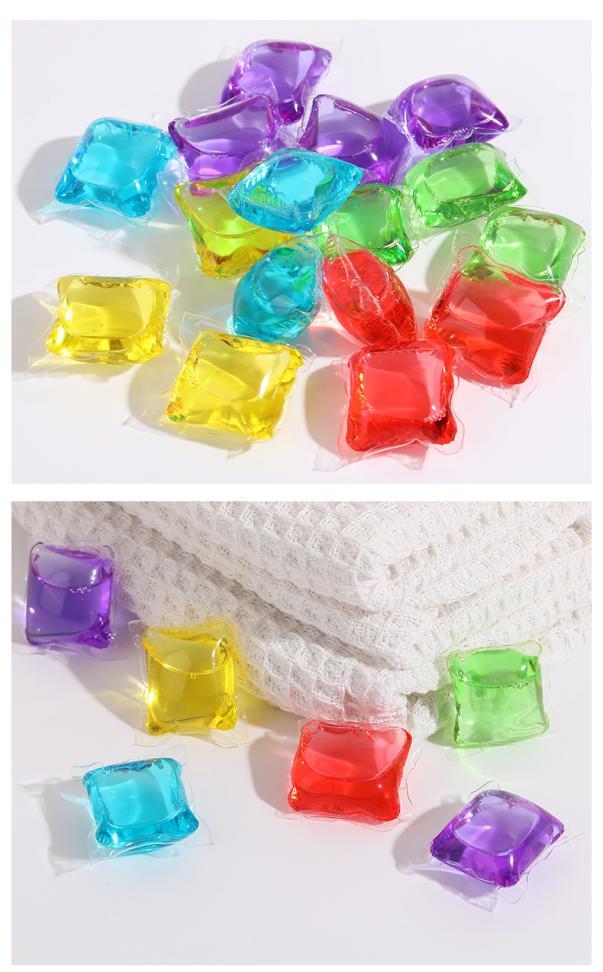
Performance starts with how well a pod dissolves and releases its cleaning agents. High-quality bulk pods should burst completely in both hot and cold water, leaving no sticky residue on clothes or the machine drum. Beyond dissolution, check for multi-chamber designs that separate enzymes, stain fighters, and brighteners until they hit the wash—this keeps each component active and effective throughout the cycle.
A pod that only tackles light soils isn’t worth the bulk pricing. Look for options with built-in pre-treaters and oxygen-based bleach alternatives that lift set-in stains without fading darks. The best bulk pods also leave whites brighter and colors sharper week after week, not just on the first wash. If the formula includes fabric conditioners or anti-wrinkle properties, you’re saving on additional products while maintaining that fresh-out-of-the-dryer feel.
Bulk buying only pays off if the packaging reflects real-world usage. Seek out child-resistant, resealable pouches that block moisture and prevent pods from clumping into a useless brick. The pouch should be compact enough to store easily but contain enough units to match your laundry frequency—considering that a high-performance pod often means you can use fewer per load without sacrificing cleanliness.
Avoiding Common Pitfalls in Large-Quantity Capsule Orders
When placing bulk capsule orders, one of the biggest missteps is sacrificing quality for a seemingly unbeatable price. Many first-time buyers get lured by rock-bottom quotes only to find capsules that stick together, leak, or come out of the filling machine cracked. Instead of judging samples only by their appearance, put them through real-world simulations—run them on your actual equipment, expose them to heat and humidity if your supply chain demands it, and stretch a few with pliers to check for brittleness. That extra hour of testing saves you from pallets of unusable inventory.
Another trap is assuming a smaller batch’s flawless result will scale perfectly to a full production run. Machines behave differently when they’re running nonstop for six hours versus a quick half-hour trial. Ask your supplier about their batch-to-batch consistency data and whether they use automated vision systems to catch defects at speed. A healthy manufacturer won’t just send you a certificate of analysis; they’ll walk you through the production timeline and explain how they handle deviations. If they brush off your questions with “trust us,” take it as a warning sign.
Finally, don’t overlook the human element buried in logistics and communication. Large orders often mean staggered shipments across multiple containers, staggered customs entries, or partial air freight to avoid line-down situations. Map out a clear timeline with your supplier that includes lead time buffers, quality hold points, and a designated contact who can send real-time photos during production. The goal isn’t just receiving capsules on time—it’s receiving capsules that work exactly as expected, batch after batch.
Storage and Shelf Life Tips for Massive Detergent Hauls
Buying detergent in bulk feels like a victory until you realize you have nowhere sensible to store twenty pounds of pods and a crate of liquid bottles that could double as doorstops. The trick is to think of your stash like a pantry of cleaning supplies—cool, dry, and out of direct sunlight are non-negotiable. High heat or humidity will turn powdered formulas into a solid brick before you've hit the halfway mark, and liquid detergents can separate or lose potency if they're cooked in a garage during summer. If your laundry area is tight, split the haul: keep a manageable amount in a cupboard near the machine and stash the overflow in a climate-controlled basement or closet, making sure everything stays off concrete floors to avoid moisture creeping in through the packaging.
With massive quantities, rotation matters more than you'd think. It's easy to grab the newest bottle and leave the older ones languishing at the back of the shelf, slowly drifting past their prime. Most unopened liquid and powder detergents hold steady for about twelve to eighteen months, while pods and pacs push closer to two years—but only if their wrappers stay intact. Use a marker to jot the purchase date on each container so you're not relying on memory. Resist the urge to peel open a pod just to check if it's still good; exposure to air starts the clock on clumping and performance loss. If you genuinely can't use everything before expiry, share with a neighbor or donate unopened bottles to a local shelter rather than gambling on a weak wash.
Storing huge hauls also means a quiet but constant battle against accidents and curiosity. A toppled jug of liquid detergent is a slow-motion disaster that seeps under baseboards and leaves a slippery film that's nearly impossible to scrub up fully. Keep bottles and boxes on sturdy, lower shelving—never stack them precariously above head height—and consider placing a shallow plastic tray underneath the primary storage area to catch small leaks before they spread. If young children are in the house, a locked cabinet or a high, unclimbable shelf is non-negotiable; those brightly colored pods look far too much like candy to little eyes. A combination of common sense and a few simple containers turns bulk buying from a chaotic gamble into a genuinely efficient routine that saves money without turning your utility space into a chemistry experiment.
Sourcing Direct to Slash Costs Without Sacrificing Clean
Most brands assume that switching to cleaner ingredients automatically means tighter margins. But that’s only true when you’re tangled in layers of distributors and middlemen who tack on premiums for “specialty” items. Going straight to the grower or processor flips the model. You’re not paying for relabeling, warehousing markups, or the story someone else built around a commodity powder. Instead, you shake hands with the people who actually touch the raw material—and that’s where real savings hide. A direct partnership often trims 18–30% off the landed cost, and you get something extra: the unvarnished truth about how the crop was handled, which no certificate alone can guarantee.
Clean doesn’t mean pricier if you rethink packaging and logistics alongside sourcing. One bar we worked with replaced a bleached flow agent with a mechanically processed alternative and saved $0.12 per unit—not by changing suppliers, but by working with their mill to adjust a single step. When the line of communication skips the broker, those small process tweaks become daily conversations instead of email chains that die after three weeks. You start buying by the silo or the season, aligning your production rhythm with harvest cycles. That tempo eliminates rush fees and lets you lock in prices when the market dips, not when your inventory runs empty.
The real differentiator is trust turned into a tool. You learn which coating oils naturally extend shelf life, which farms cold-press within hours of picking, and why one region’s clay-profile matters for mineral color. That knowledge pours back into your formulas, letting you strip synthetic stabilizers without a price hike. Over time, your clean label becomes a byproduct of how you buy—not a marketing badge you glue on afterwards. And because you’re not constantly auditing a stranger through a third-party, you spend dollars on testing what actually reaches your facility, not on verifying a paper chain.
How to Evaluate Eco-Friendly Claims in Wholesale Pods
When a supplier insists their pods are green, don't stop at the surface. Request a full material breakdown—specifically what makes the outer casing and the inner film. Many brands market "plant-based" materials that only partially degrade, leaving behind microplastic residues. Ask for independent lab reports or certifications like TÜV's OK compost HOME or the Biodegradable Products Institute (BPI) label. If they can't produce these, the eco-angle is likely more marketing fluff than substance.
Dig into the complete lifecycle, not just disposal. A pod that technically biodegrades still carries the weight of its manufacturing: water use, energy source, and transport distance. Question whether the wholesale packaging itself is minimalist or wrapped in layers of single-use plastic. Genuine eco-minded producers will have transparent supply chain documentation and often provide a take-back or refill program. If a vendor glosses over these details, you're looking at a green coat of paint, not a genuine commitment.
FAQ
Buying in bulk saves you serious money per load compared to grabbing small packs at the grocery store. You also get a steady supply, so you’re not running out unexpectedly, and it cuts down on packaging waste and delivery trips.
They’re pre-measured so you never use too much or too little, which means consistent cleaning every time. Unlike messy liquids or powders, there’s no heavy jug to pour or messy spills to clean up, and they dissolve fully even in cold water.
Focus on capsule quality first, then check if they offer a variety of formulas like free-and-clear or sport strength. A supplier with clear shipping policies, reliable packaging that prevents capsules from sticking together, and solid customer reviews is usually the safest bet.
Not all, but many wholesale options now include plant-based or fragrance-free formulas designed specifically for septic tanks and delicate skin. You simply need to check the product specs for bio-degradability and certifications like EPA Safer Choice.
Absolutely. Many businesses, housing cooperatives, and even families pool their orders to meet wholesale minimums without ending up with years’ worth of detergent. Just ensure the packaging allows for easy redistribution without exposing the capsules to moisture.
Keep them in their original airtight container or transfer to a sealed bin, away from direct sunlight and damp areas like above the washing machine. A cool, dry shelf in a pantry or laundry room works perfectly, and they’ll stay potent for months.
Commercial versions are often more concentrated and can handle heavier soil loads, but many bulk suppliers now offer crossover formulas that work brilliantly in home machines too. The key is matching the capsule dose to your machine type, especially if you have a high-efficiency washer.
Conclusion
The shift toward pre-measured laundry capsules has quietly upended the way businesses and busy households handle bulk buying. Instead of hauling heavy jugs and second-guessing pour lines, these pods deliver a no-mess, consistent shot of detergent every time, cutting down on overuse and spill waste almost immediately. The best wholesale options don’t just promise convenience; they need to dissolve cleanly across cold, warm, and hot cycles without leaving sticky film on clothes or clogging machine dispensers. It’s easy to stumble when placing large orders—being dazzled by a rock-bottom price can backfire if the capsules burst during shipping or the film refuses to break down mid-wash. Genuinely high-performing bulk pods earn their spot by tackling everything from oily collars to mud-streaked cuffs while staying color-safe and kind to elastic and waterproof finishes.
Once you’ve locked in a reliable product, storage makes or breaks the entire bulk buy. Tossing boxes into a damp utility closet invites clumping and mold long before you reach the last capsule; sealed containers kept in a steady, dry environment plus a simple first-in-first-out system keep the formula stable and potent. Cost savings really sharpen when you cut out middlemen and order directly from trusted suppliers, but never treat cleaning power as negotiable—ask for trial packs and watch them perform on real laundry before committing to a pallet. The green angle demands similar scrutiny: a leafy label means little if the film isn’t certified compostable or the ingredient deck hides phosphates and optical brighteners behind vague marketing. Ultimately, the smartest wholesale capsule strategy ties together extended shelf life, raw stain-fighting muscle, and verifiable eco-credentials, proving that bulk buying can stay lean, clean, and genuinely responsible.
Contact Us
Contact Person: Zhao Yanlong
Email: [email protected]
Tel/WhatsApp: 8615832007309
Website: https://www.gzlanjieya.com