

Top UL FM Alarm Check Valve: Essential Guide to Fire Safety Systems
2025-12-28
When it comes to fire safety systems, every component plays a critical role in ensuring protection and minimizing risks. Among these, the Top UL FM Alarm Check Valve stands out as a key element in maintaining system integrity and early warning. At DRIFCO, we understand that a deeper knowledge of such devices can empower professionals and property owners to make informed decisions. In this guide, we'll explore why this valve is essential, how it enhances safety protocols, and what makes it a cornerstone of reliable fire suppression. By the end, you'll have a clearer perspective on integrating this technology into your safety strategy. Dive in to discover insights that could safeguard what matters most.
Understanding Top UL FM Alarm Check Valves in Modern Fire Safety Systems
In today's fire safety landscape, the role of UL FM alarm check valves cannot be overstated. These specialized valves act as critical components within sprinkler systems, designed to monitor water flow and trigger alarms when activated. Unlike standard valves, they integrate seamlessly with alarm systems to provide immediate notification, ensuring rapid emergency response. This real-time functionality helps safeguard both property and lives by minimizing delays in fire detection, making them indispensable in commercial and industrial settings.
What sets UL FM alarm check valves apart is their certification under rigorous standards from Underwriters Laboratories (UL) and FM Global, which guarantees reliability and performance under extreme conditions. These valves undergo extensive testing for durability, pressure resistance, and corrosion prevention, ensuring they function effectively over long periods. By meeting these high benchmarks, they offer peace of mind to building managers and safety engineers, reducing maintenance costs and enhancing overall system integrity compared to non-certified alternatives.
Modern advancements have further optimized these valves for efficiency and adaptability. Features like tamper-resistant designs and compatibility with smart building technologies allow for remote monitoring and automated diagnostics. This integration supports proactive maintenance, helping to prevent false alarms and system failures. As fire safety regulations evolve, UL FM alarm check valves continue to be at the forefront, offering robust solutions that balance innovation with proven safety standards in diverse architectural environments.
Key Features and Functionality of Top UL FM Alarm Check Valves
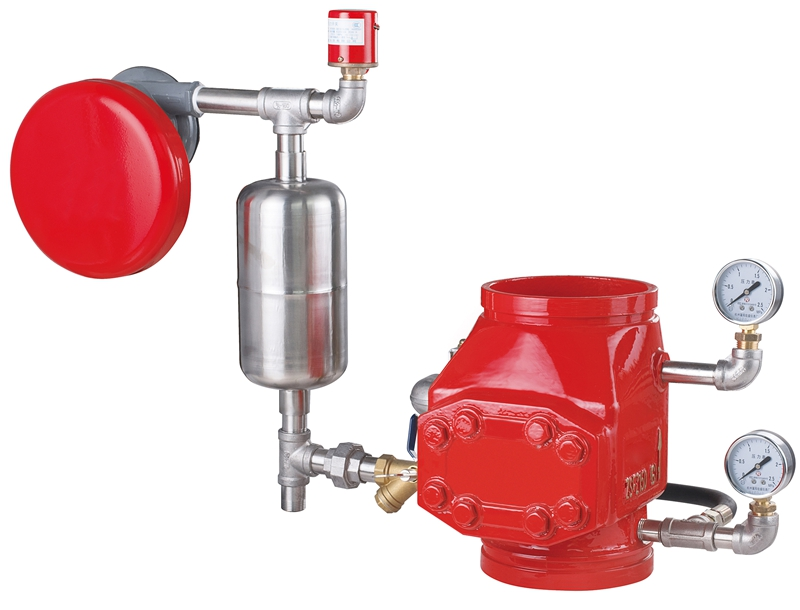
Top UL FM alarm check valves are designed with durability in mind, featuring robust materials that withstand harsh operational environments. These valves integrate seamlessly into fire protection systems, providing reliable backflow prevention while maintaining consistent water flow during emergencies. Their construction ensures minimal pressure loss, which is crucial for effective firefighting response when every second counts.
One standout aspect of these valves is their advanced alarm mechanism, which triggers immediately upon water flow, alerting building occupants and fire departments to potential hazards. Unlike standard models, they incorporate tamper-resistant components to prevent unauthorized adjustments, enhancing overall system integrity. This proactive design helps reduce false alarms and maintenance issues, setting them apart in crowded market offerings.
Additionally, their functionality extends to easy installation and compatibility with various pipe sizes, streamlining retrofits in existing buildings. Regular testing protocols are simplified due to accessible test ports, ensuring compliance without disrupting daily operations. By prioritizing both performance and user convenience, these valves deliver a balanced solution that fire safety professionals trust for critical applications.
Installation Best Practices for Alarm Check Valves in Fire Protection
Properly installing alarm check valves is absolutely crucial for a reliable fire protection system. These valves serve as the gatekeepers that control water flow to the sprinkler network, but they also enable crucial alarm functions. If you're new to this, think of them as the system's nerve center—when a sprinkler head activates, the valve senses the pressure drop and triggers alarms, alerting everyone to the emergency. It's not just about connecting pipes; it's about ensuring these valves are positioned correctly and securely. A common oversight is placing them in areas prone to freezing or excessive vibration, which can lead to false alarms or worse, failure during a fire. Always double-check the manufacturer's guidelines and local codes; they often specify requirements for mounting, orientation, and clearance that can vary based on your building's layout.
One thing that sets a top-notch installation apart is attention to detail during the testing phase. After securing the alarm check valve, don't just assume it will work—put it through its paces. Conduct a thorough hydrostatic test to check for leaks, followed by a flow test to ensure alarms activate correctly. I've seen systems where valves were installed perfectly but then neglected, leading to buildup of debris or corrosion over time. To avoid this, incorporate regular maintenance checks into your schedule. For instance, many professionals recommend quarterly inspections to clear any sediment from the valve chamber and verify that all components, like the retard chamber and water motor gong, are functioning smoothly. This proactive approach not only keeps the system compliant but also extends its lifespan, saving you headaches down the road.
In the real world, every fire protection setup is unique, so customization is key. While there are general best practices, you might need to tweak things based on factors like building height or water supply pressure. For example, in high-rise structures, consider using additional valves to segment the system, which can improve response times and reduce water hammer. Also, integrating modern technology, such as electronic monitoring devices, can provide real-time alerts and data, making your installation more robust and easier to manage. Remember, the goal isn't just to meet minimum standards but to create a system that responds effectively under pressure. By focusing on these nuances, you can ensure your alarm check valves don't just work—they excel, providing peace of mind in critical moments.
Maintenance and Inspection Guidelines for UL FM Alarm Check Valves
Proper maintenance and regular inspections are crucial for ensuring UL FM alarm check valves perform reliably in fire protection systems. These valves, which signal water flow while preventing backflow, require a systematic approach to upkeep. It's not just about checking off tasks; it's about understanding how each component, from the alarm port to the check mechanism, contributes to overall safety. By following manufacturer-specific guidelines and industry standards, such as those from NFPA, you can catch potential issues early, like corrosion or debris buildup, that might otherwise compromise valve function during an emergency.
A typical inspection routine should focus on key areas: visually examining the valve body for leaks or damage, testing the alarm function with a flow of water, and verifying that the check valve seals properly to prevent backflow. Many systems benefit from quarterly checks, but frequency may vary based on environmental factors like water quality or usage. For example, in areas with hard water, mineral deposits might require more frequent cleaning of internal parts. Always document inspections thoroughly, noting any adjustments or replacements, to maintain a clear history that aids in troubleshooting and compliance audits.
Beyond basic checks, consider integrating maintenance with broader system testing, such as annual flow tests, to ensure valves operate smoothly under real-world conditions. Training personnel to recognize subtle signs of wear, like unusual sounds during flow tests, can prevent costly failures. Remember, a well-maintained UL FM alarm check valve not only meets regulatory requirements but also provides peace of mind, knowing your fire protection system is ready to respond when needed most. Regular upkeep tailors the process to your specific setup, avoiding generic approaches that might overlook unique risks.
Common Issues and Troubleshooting Tips for Alarm Check Valves
Alarm check valves often face issues like water leakage or failure to activate alarms during flow events. These problems can stem from worn seals, debris buildup, or misalignment. To troubleshoot, regularly inspect for physical damage and ensure proper installation. For minor leaks, checking and tightening connections might resolve the issue, but persistent problems may require professional servicing to prevent system failures.
A common challenge is the valve's alarm mechanism not triggering, which can compromise fire safety systems. This might be due to clogged strainers or faulty pressure switches. To address this, clean the strainer periodically and test the alarm switch under controlled conditions. If the switch fails to respond, consider replacing it to restore functionality and maintain compliance with safety standards.
Over time, alarm check valves can develop internal corrosion or scale, reducing their efficiency and leading to false alarms or no alarms at all. Regular maintenance, such as flushing the system and applying anti-corrosion treatments, can mitigate these issues. In cases of severe buildup, disassembling and cleaning the valve components is recommended to ensure reliable operation and extend its lifespan.
Innovations and Future Trends in Alarm Check Valve Technology
Recent advancements in alarm check valve technology are reshaping how industries manage fluid systems with enhanced reliability and smart features. Manufacturers are integrating sensors and IoT connectivity to enable real-time monitoring of valve status, pressure fluctuations, and potential leaks, allowing for predictive maintenance that minimizes downtime. For instance, some next-generation valves now incorporate wireless communication modules that send alerts directly to maintenance teams through mobile apps, turning traditional passive components into active safety sentinels. This shift not only improves operational efficiency in sectors like fire protection and water distribution but also reduces the risk of system failures by catching issues before they escalate, marking a significant leap from conventional mechanical designs.
Beyond connectivity, material innovations are driving durability and performance in alarm check valves. The adoption of corrosion-resistant alloys and advanced polymers like PTFE coatings is extending valve lifespans in harsh environments, such as marine or chemical processing plants, where exposure to aggressive fluids can degrade standard components. Additionally, designs are becoming more compact and modular, facilitating easier installation and retrofitting in existing infrastructure without extensive modifications. These improvements are coupled with enhanced flow dynamics—engineers are optimizing internal geometries to reduce pressure drops and turbulence, ensuring smoother operation while maintaining reliable backflow prevention. Such refinements highlight a focus on both robustness and adaptability, catering to evolving industry needs for seamless integration and long-term cost savings.
Looking ahead, the future of alarm check valve technology points toward greater automation and sustainability. Emerging trends include the integration of AI algorithms that analyze usage patterns to optimize valve performance and energy consumption, potentially leading to "self-tuning" valves that adjust settings autonomously based on system demands. There's also a growing emphasis on eco-friendly designs, with efforts to reduce water waste and energy losses through more precise leakage detection and low-flow compatibility. As regulations tighten and industries prioritize safety and resource conservation, these valves will likely evolve into multifunctional hubs within smart infrastructure, blending hardware advancements with data-driven insights. This progression promises not only to enhance protection in critical applications but also to set new standards for efficiency and innovation in fluid control systems worldwide.
FAQ
A Top UL FM Alarm Check Valve is a specialized component in fire safety systems that combines a check valve and alarm signaling features, designed to meet UL and FM standards for reliability and safety.
It works by allowing water to flow in one direction to activate sprinklers, while preventing backflow; the alarm feature triggers alerts if the water flow exceeds normal levels, enabling early detection of potential fire incidents.
UL and FM certifications ensure the valve has been rigorously tested for durability and performance, reducing risks of failure during emergencies and ensuring compliance with safety regulations.
Benefits include enhanced system reliability, early fire detection through alarm signals, compliance with industry standards, and reduced maintenance costs due to fewer false alarms or malfunctions.
Regular inspections should check for corrosion, leaks, and alarm functionality; follow manufacturer guidelines for testing and cleaning, typically involving quarterly flow tests and annual inspections by certified technicians.
Common problems include valve clogs from debris, false alarms due to pressure changes, or wear over time; solutions involve cleaning the valve, recalibrating alarms, and replacing parts as needed based on professional assessments.
Conclusion
Understanding the role of Top UL FM Alarm Check Valves in modern fire safety systems is crucial for ensuring reliable protection against fire hazards. These valves, certified by Underwriters Laboratories (UL) and Factory Mutual (FM), serve as critical components in sprinkler systems by preventing water backflow and triggering alarms when flow is detected. Their integration enhances system responsiveness, allowing for immediate notification and action during emergencies. Key features include robust construction, precise alarm mechanisms, and compatibility with various fire suppression setups, making them versatile for both commercial and industrial applications. By grasping these fundamentals, stakeholders can better appreciate how these valves contribute to overall fire safety, safeguarding lives and property through advanced technological design.
Effective installation, maintenance, and troubleshooting are essential for maximizing the performance of UL FM Alarm Check Valves. Following best practices during installation ensures proper alignment and connection, minimizing leaks and operational failures. Regular maintenance and inspection, as outlined in guidelines, help detect wear or corrosion early, extending valve lifespan and maintaining compliance with safety standards. Common issues like false alarms or blockages can be addressed through proactive troubleshooting, such as cleaning components or adjusting pressure settings. Innovations in valve technology, including smart sensors and enhanced materials, are driving future trends toward more efficient and automated fire protection systems. By staying updated on these advancements, users can optimize their fire safety strategies, ensuring these valves remain dependable assets in evolving safety landscapes.
Contact Us
Contact Person: George
Email: [email protected]
Tel/WhatsApp: 13863633883
Website: https://www.es-fire.com