

Top Air Damper: Essential Guide to Choosing the Best One
2026-07-03
Imagine your ventilation system working flawlessly, balancing air precisely where it's needed. The secret often lies in one underestimated component: the top air damper. Whether you're tackling an industrial project or upgrading a commercial setup, choosing the right damper can make or break efficiency. At THT, we've seen how the right selection slashes energy bills and quiets noisy ducts. But with so many options, where do you start? This guide cuts through the clutter, giving you the insider knowledge you need to pick the perfect top air damper—without the guesswork.
What an Air Damper Does and Why It's More Than Just a Flap
At first glance, an air damper might look like a simple metal plate that swings open and shut, but its role in maintaining indoor comfort and system efficiency is surprisingly nuanced. It precisely regulates airflow within ductwork, balancing pressure and redirecting air to where it’s needed most. Whether it’s preventing a stuffy conference room or keeping a server room at optimal temperature, the damper acts as a silent traffic controller, ensuring every zone gets the right amount of conditioned air without overworking the HVAC system.
Beyond basic adjustment, modern dampers can integrate with automated controls to respond dynamically to changing conditions. They modulate based on sensor feedback—opening wider when carbon dioxide levels rise or closing partially when a space is unoccupied—turning a passive component into an active tool for energy conservation. This adaptability means a damper isn’t just about blocking or allowing air; it’s about sculpting the indoor environment in real time, reducing waste, and even extending the life of fans and coils by preventing short cycling.
The difference between a crude flap and a well-designed damper lies in details like blade profile, sealing, and actuation. Low-leakage models with gasketed edges can dramatically cut energy losses in closed positions, while opposed-blade configurations provide finer control than parallel blades. In critical applications like laboratories or cleanrooms, these dampers become part of a precision strategy—maintaining strict pressure differentials or isolating hazardous exhaust. Ultimately, the humble air damper proves that even modest components can have an outsized impact on both performance and operational costs.
Signs Your System Is Begging for a Better Damper
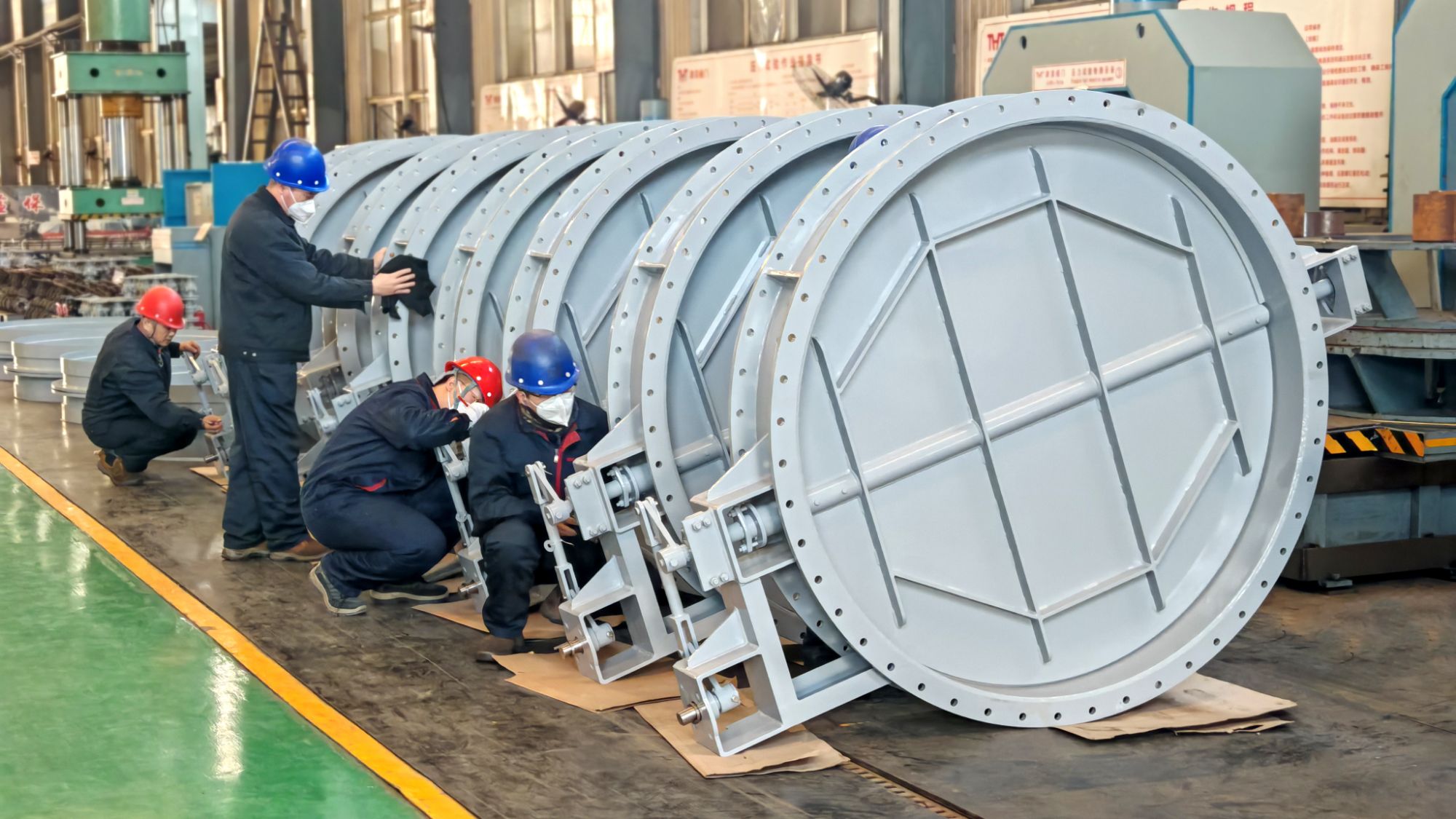
A persistent hum or rattle that changes pitch with speed often points to a damper that's no longer absorbing vibrations properly. You might notice the steering wheel shimmying at highway speeds, or a subtle bounce that keeps resonating long after hitting a bump. These are not just comfort issues—the undamped motion puts extra stress on bushings, mounts, and even chassis welds over time.
Watch how your equipment reacts during sudden starts or stops. If the system lurches forward excessively or squats hard in the rear, the damper's compression circuit may be worn. In industrial machinery, this translates to erratic tool positioning or visible shudder during high-speed operations. A healthy damper should settle movement within one or two cycles; anything beyond that means the valving is bypassing fluid too easily.
Fluid leakage around the damper body or its seals is a dead giveaway, but even without visible leaks, internal degradation can cause inconsistent performance. You might feel the suspension fade after a few miles of rough road, or notice the machine's stability degrade as operating temperatures climb. Fresh dampers restore predictable handling and often quieten the entire assembly—many operators are surprised by how much harshness was actually vibration the old unit couldn't control.
Materials and Build: The Hidden Difference Between a Bargain and a Workhorse
The gap between a tool that crumbles after a few projects and one that endures for decades often comes down to what’s inside the casing. Cheaper options frequently rely on stamped sheet metal, thinly coated plastics, and low-grade alloys that warp under heat or shatter under torque. These shortcuts aren’t always visible in a product photo, but they reveal themselves the moment you push the tool beyond light-duty tasks. In contrast, a well-built workhorse incorporates forged steel components, reinforced stress points, and vibration-dampening housings that absorb punishment without transferring it to your hands or the workpiece.
Assembly tolerances and fastener quality further separate the disposable from the dependable. Bargain tools often arrive with loose screws, misaligned gears, or bearings that howl after minimal use—problems that start subtle and compound fast. A thoughtfully constructed tool, by comparison, feels almost seamless in your grip. The triggers engage without slop, the chucks grip bits without wobble, and the motor housing stays cool even under load. These are not accidental niceties; they’re the result of meticulous engineering, from the bonding agents used between stator and housing to the precision-ground shafts that spin true at high RPM.
Material choices also define long-term safety and repairability. A tool built with a glass-filled nylon body can survive drops that would crack a standard ABS shell, while replaceable brush caps and accessible drive belts mean a 20-year lifespan instead of a trip to the landfill. That’s the hidden ledger: a bargain often banks on you not noticing the brittle gearbox or the sealed bearings you can’t grease, while a workhorse is designed with the technician in mind—someone who expects to open it up, maintain it, and keep it running for the next generation of tasks.
Sizing Smarts: How to Avoid the Most Common and Costly Mistake
Let’s be honest: most of us have a drawer full of clothes that never see daylight because they simply don’t fit right. Whether it’s a shirt that pinches across the shoulders or jeans that require a gymnastics routine to button, the root cause is almost always the same—ignoring real body measurements in favor of wishful thinking. The most expensive sizing mistake isn’t just about money wasted; it’s about settling for discomfort, hiding your shape, and silently accepting that clothes just aren’t made for you. The moment you stop relying on familiar letter sizes or numbers and start paying attention to how your unique proportions align with a brand’s actual measurements, everything changes. A measuring tape becomes more valuable than a loyalty card, and suddenly online shopping stops feeling like a gamble.
Here’s a less obvious trap: believing that size consistency exists across brands, or even within the same brand from season to season. Fabric weight, cut, and country of origin all shift the meaning of a Medium or a 32. One pair of trousers might be generously cut; another, in a different fabric, could feel two sizes smaller. Instead of anchoring your decisions on a number, study the garment’s specific sizing chart and note the fabric’s stretch and drape. If the product photos show a model’s height and the size they’re wearing, mentally overlay that onto your own frame. Better yet, measure a similar item that fits you perfectly and compare it directly to the one you’re eyeing. This practice turns you from a passive shopper into an informed buyer who practically never deals with the hassle of returns.
Finally, don’t underestimate the power of tailoring—not as a last resort, but as a deliberate strategy. Off-the-rack clothing is designed for a fictional “average” body that very few of us actually possess. Buying a piece that fits your widest point (shoulders, hips, thighs) and then having the rest altered to your shape isn’t a sign of failure; it’s a smart investment. A $30 adjustment on a blazer can make it look custom-made, completely sidestepping the cycle of buying, returning, and rebuying. Ultimately, sizing smarts come down to a mindset shift: it’s not about changing your body to fit the clothes, but choosing and tweaking clothes so they honor the body you actually live in.
Manual or Motorized? Matching Control to Real-World Use
Choosing between a manual or motorized system goes way beyond simple preference—it’s about how the equipment actually fits into your daily routine. Manual options often shine in scenarios where fine adjustments and tactile feedback matter, like in precision crafting or when you’re working in tight, delicate spaces. You get direct, intuitive control without worrying about battery life or software glitches. It’s the kind of reliability that comes from good old-fashioned mechanical simplicity.
Motorized controls, on the other hand, really prove their worth when consistency and endurance are top priorities. Think about repetitive tasks that would wear you out over hours, or applications that demand unwavering, repeatable motion. The electric drive doesn’t get tired, doesn’t lose focus, and can maintain speed and torque in ways human effort simply can’t match. This makes motorized solutions a backbone in industrial settings and assistive technologies where user fatigue is a real concern.
Some of the smartest designs actually blend both worlds, offering motorized assistance with manual overrides for those moments when you need a human touch. It’s not about one being universally better; it’s about matching the control method to what you truly do day in and day out. Before locking in your choice, it pays to examine your real-world workflow—not the idealized version—and pick what syncs with the actual demands of your tasks.
Installation and Care Habits That Double the Life of Your Damper
A damper might seem like a fit-and-forget component, but how you install it sets the stage for everything that follows. Even the most expensive, precision-engineered damper will underperform if it’s forced into misalignment or overtightened at the mounting points. Take the time to clean the surrounding area and inspect the mounting surface before you start—small irregularities there can create uneven stress that accelerates wear. Use the factory-specified torque values for all fasteners, and never rely on an impact gun to brute-force things into place. A properly seated damper with clean, evenly loaded bushings doesn’t just ride better from day one; it avoids the microscopic damage that snowballs into early failure.
What you do after installation matters just as much. Regular visual checks can catch weeping seals or stone-chip damage to the piston rod before they turn into full-blown leaks. Wipe down the bodies and rod surfaces occasionally with a mild cleaner—not a pressure washer—to remove road grime and salt that can work their way past seals as the shaft cycles. If you’re using adjustable dampers, resist the urge to constantly fiddle with settings unless you’re matching them to a real change in load or road surface; frequent unnecessary adjustments add internal wear without giving you any real benefit. And if your dampers have serviceable components like bushings or spherical bearings, re-lubricating them at sensible intervals keeps small movements crisp and prevents the progressive slop that makes a damper feel dead long before it actually fails.
A few habits at the storage and seasonal extremes can stretch the lifespan further. Long periods of inactivity, especially in damp or coastal environments, let moisture and condensation attack exposed chrome rods. Simply moving the suspension through its full travel once in a while—even if you’re not driving—redistributes internal oil and wipes the rod dry against its seal, which is far better than letting a rust ring form at a single resting position. In winter, a quick rinse after salted-road exposure helps prevent pitting corrosion that eats away at surface hardness and compromises the seal. None of these steps demand special tools or excessive time, but together they change the long-term cost of ownership from a surprise replacement bill to a predictable, extended service life.
FAQ
A top air damper is a device installed at the very top of a chimney. Its main job is to seal the flue when the fireplace isn't in use, preventing outside air from entering and indoor air from escaping, while also blocking rain, debris, and animals.
Unlike throat dampers located just above the firebox, top dampers sit at the chimney crown. They create a much tighter seal because they use a gasket, reducing drafts and energy loss more effectively. They're also less prone to rust since they're built from stainless steel.
High-quality stainless steel is the top choice because it resists rust and corrosion from weather and flue gases. Cast aluminum is another durable option, but avoid galvanized steel which can deteriorate quickly over time.
Manual dampers use a cable and handle to open and close, giving you direct control without needing power. Automatic models can be operated by a switch or remote, offering convenience but requiring electrical components that may need maintenance.
Measure the inside dimensions of your chimney flue at the very top. The damper should fit snugly over the opening, so you'll need the exact width and length. Many dampers are adjustable or come in standard sizes to match common flue shapes.
It's possible to do it yourself if you're comfortable working on a roof and have the right tools. However, because the installation involves the chimney's cap and flue, many people hire a certified chimney sweep to ensure a safe and weather-tight fit.
By sealing the chimney at the top, it stops warm air from escaping in winter and cooled air in summer. This prevents your HVAC system from working overtime, leading to noticeable savings on heating and cooling costs throughout the year.
Inspect the damper annually for debris, check the seal or gasket for wear, and lubricate any moving parts like the pivot points or cable. Keeping it clean and functional ensures it forms a tight seal and lasts for many years.
Conclusion
Choosing a top air damper goes far beyond picking a basic flap—it's about recognizing that this component governs airflow, energy efficiency, and system health in ways a bargain piece never can. When your ductwork starts whistling, rooms turn unevenly hot or cold, or energy bills creep upward, your system is practically begging for a better damper. These signs point to leakage, poor sealing, or a damper that simply can't modulate anymore. But not all dampers are created equal. The hidden difference lies in the materials and build. A cheap galvanized flap with flimsy bearings will warp and bind in just a few seasons, while a workhorse damper built with stainless steel blades, robust seals, and precision pivots can handle constant cycling without complaint. Pair that with smart sizing—the most common and costly mistake is ordering based on duct size alone without accounting for shaft length, blade orientation, and pressure drop—and you sidestep the headaches of retrofitting or poor performance down the line.
The control method seals the deal. Manual dampers work for set-and-forget zones, but if your building or process demands variable air volumes on the fly, a motorized damper with modulating or on-off actuation is non-negotiable. Match the actuator to real-world duty cycles, not just peak torque specs, to avoid premature burnout. Once installed, simple habits double the damper's life: regular inspection of linkage tightness, sparing use of lubricant only on manufacturer-approved points, and checking seals before heating or cooling seasons. Don't treat it as a fit-and-forget item—a quick seasonal wipe-down and a visual check for blade alignment can prevent a thousand-dollar rehab. Ultimately, the best damper isn't the cheapest or the most feature-packed; it's the one whose material, size, control, and care align seamlessly with how your air system actually operates day in and day out.
Contact Us
Contact Person: Su Zhang
Email: [email protected]
Tel/WhatsApp: +86-25219206
Website: https://www.tht-valve.com/