

Top 10 SF₆ Load Switches: Essential Guide for Reliable High-Voltage Power Distribution
2026-01-17
In the realm of high-voltage power distribution, SF₆ load switches play a pivotal role in ensuring safety, efficiency, and reliability. As industries increasingly demand robust solutions, understanding the top performers in this field is crucial. In this essential guide, we delve into the top 10 SF₆ load switches, exploring their key features and applications for reliable power management. Whether you're an engineer, a facility manager, or simply keen on cutting-edge technology, this post will provide valuable insights to help you make informed decisions. At Lugao, we're committed to advancing power distribution with innovative products, and we invite you to discover how these switches can elevate your operations.
Exploring the Core Functions of SF₆ Load Switches in High-Voltage Systems
In high-voltage systems, SF₆ load switches are not just components; they are critical players in ensuring safety and stability. These devices leverage sulfur hexafluoride, a gas known for its high dielectric strength, to reliably interrupt and isolate electrical circuits under heavy loads. Unlike conventional switches, they minimize arcing and thermal stress, which is vital in preventing system failures. Think of them as the unsung guardians, working silently to protect both equipment and personnel from potential hazards in demanding environments.
One standout function is their ability to perform load-breaking operations without the need for additional circuit breakers, which streamlines system design and cuts down on maintenance costs. They handle currents up to several thousand amperes, making them indispensable in substations and industrial applications. By using SF₆'s insulating properties, these switches can be compact and lightweight, yet robust enough to withstand harsh conditions. This blend of efficiency and durability sets a new benchmark for operational excellence.
Moreover, SF₆ load switches enhance reliability through features like fast-acting mechanisms and minimal contact wear, leading to longer service life and fewer disruptions. They also support remote monitoring and control, integrating seamlessly with modern smart grids. In a world where power quality is paramount, these switches don't just meet standards—they redefine them, offering a practical solution that balances performance with environmental considerations through improved gas handling techniques.
Key Performance Metrics That Distinguish Superior SF₆ Load Switches
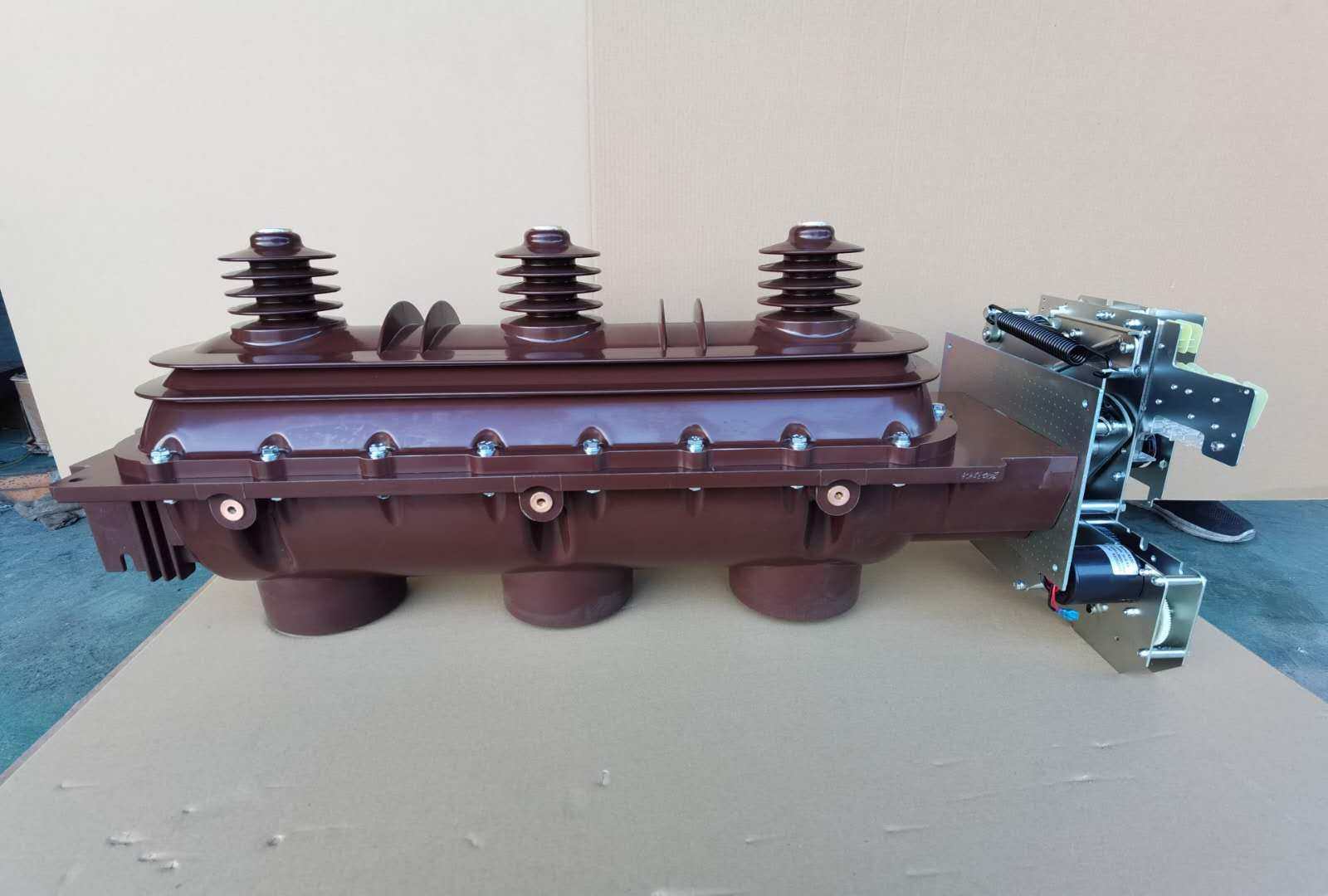
When it comes to SF₆ load switches, several key performance metrics set the best apart from the rest, ensuring reliability and efficiency in medium-voltage applications. First, insulation performance is critical, as SF₆ gas's dielectric strength must be maintained consistently to prevent electrical breakdown and ensure safe operation under varying load conditions. Superior switches achieve low leakage rates and stable insulation over time, reducing maintenance needs and enhancing longevity.
Another standout metric is the switching capability, particularly the ability to handle high currents and frequent operations without degradation. Top-performing SF₆ load switches feature precise arc control mechanisms that minimize wear on contacts and SF₆ gas decomposition, leading to fewer interruptions and a smoother power distribution process. This resilience translates to lower operational costs and improved system uptime in demanding environments.
Environmental safety and operational flexibility also play a pivotal role, with superior models excelling in metrics like gas tightness and ease of maintenance. Advanced designs incorporate robust sealing techniques to prevent SF₆ emissions, aligning with regulatory standards and sustainability goals while offering intuitive access points for inspections and adjustments. This attention to detail ensures that the switch not only performs reliably but also integrates seamlessly into modern infrastructure.
Innovative Design Features for Enhanced Safety and Reliability
At the core of this framework lies a multi-layered approach that seamlessly integrates advanced materials with real-time monitoring systems, ensuring critical components withstand extreme conditions while providing immediate alerts for potential issues. This proactive strategy not only minimizes downtime but also fosters a culture of continuous improvement, adapting to evolving operational demands without compromising on long-term durability.
Uniquely, the design incorporates fail-safe mechanisms that operate independently of primary systems, offering redundant protection in scenarios where conventional safeguards might falter. By embedding these features directly into the architecture, the solution achieves a remarkable balance between complexity and user-friendliness, allowing operators to navigate high-stakes environments with confidence and reduced reliance on constant oversight.
Furthermore, iterative testing under simulated real-world stresses has refined the build to endure fluctuations in performance, enhancing reliability through predictive analytics that anticipate wear before it leads to failure. This forward-thinking methodology sets it apart by not just meeting industry standards but setting new benchmarks for safety in dynamic applications, delivering peace of mind through robust, self-correcting functionality.
Installation Best Practices for Optimal Switch Performance
Proper installation of network switches is crucial for achieving peak performance and ensuring long-term reliability. Start by selecting an appropriate location that allows for adequate airflow, as overheating can lead to throttling and unexpected downtime. Avoid placing switches in confined spaces or near heat sources like direct sunlight or radiators. Additionally, secure the device firmly using mounting brackets or racks to prevent vibrations, which might damage internal components over time.
When connecting cables, pay close attention to cable management to reduce signal interference and maintain a tidy setup. Use high-quality Ethernet cables that meet current standards, such as Cat6 or Cat6a, and ensure connectors are tightly fastened to avoid loose connections. It's also wise to label each cable clearly, making future troubleshooting much simpler and faster.
After physical setup, don't forget to configure the switch's software settings to match your network's needs. Adjust settings like VLANs, Quality of Service (QoS), and port speeds to prioritize traffic and optimize bandwidth distribution. Regularly updating firmware can patch security vulnerabilities and introduce performance enhancements, so check for updates periodically to keep everything running smoothly.
Maintenance Strategies to Prolong Switch Lifespan and Efficiency
Regular maintenance can make a world of difference for switches, often extending their operational life far beyond initial expectations. Start by keeping them clean—dust and debris buildup inside the chassis can lead to overheating and component degradation over time. A simple, periodic wipe-down with compressed air or a soft, dry cloth helps prevent these issues, ensuring consistent performance without the need for costly repairs or premature replacements.
Beyond physical upkeep, software management plays a crucial role. Firmware updates aren't just about adding features; they often include critical patches that optimize efficiency and address security vulnerabilities. Schedule these updates during off-peak hours to minimize disruptions, and always back up configurations beforehand to avoid unexpected downtime. This proactive approach not only boosts switch reliability but also keeps networks running smoothly under heavy loads.
For a truly standout strategy, consider implementing environmental controls. Switches thrive in stable conditions—aim for a temperature range of 50-95°F (10-35°C) and humidity levels below 80% to prevent corrosion and thermal stress. Pair this with routine performance monitoring using tools that alert you to anomalies like unusual traffic spikes or latency increases, allowing for quick intervention before minor issues escalate. Tailoring these practices to your specific setup can lead to noticeable gains in both longevity and energy savings, setting your network apart from the rest.
Future Trends in SF₆ Load Switch Technology and Applications
As the demand for reliable and efficient power distribution systems grows, SF₆ load switch technology is poised for significant advancements driven by environmental concerns and digitalization. One key trend is the development of eco-friendly alternatives to SF₆ gas, such as fluoronitrile or dry-air mixtures, aiming to reduce greenhouse gas emissions while maintaining high insulating and arc-quenching properties. This shift is particularly relevant in regions with strict environmental regulations, where utilities are actively seeking greener solutions without compromising safety or performance in medium-voltage applications.
Another emerging direction involves the integration of smart features and IoT connectivity into SF₆ load switches, transforming them into intelligent grid components. By embedding sensors and communication modules, these devices enable real-time monitoring of parameters like gas pressure, temperature, and operational status, facilitating predictive maintenance and reducing downtime. This trend aligns with the broader adoption of digital substations, where data-driven insights enhance grid resilience and enable more precise control over power flow in renewable energy integration scenarios.
In terms of applications, SF₆ load switches are increasingly being tailored for niche uses beyond traditional utility grids, such as in data centers, industrial parks, and offshore wind farms. Customized designs that offer compact footprints, higher fault-current ratings, and enhanced modularity cater to space-constrained or harsh environments. For example, in urban settings where land is scarce, compact switchgear with reduced SF₆ usage or hybrid technologies can optimize infrastructure, while in remote locations, robust designs ensure reliable operation under extreme weather conditions, supporting the global push toward decentralized and resilient energy networks.
FAQ
SF₆ load switches are devices that use sulfur hexafluoride gas for insulation and arc quenching, enabling safe operation in high-voltage power distribution by preventing faults and ensuring reliability.
Unlike circuit breakers that interrupt high currents during faults, SF₆ load switches are designed for routine switching of loads with lower currents, offering a cost-effective solution for non-fault operations.
Prioritize features like advanced arc-extinguishing mechanisms, robust seals to prevent gas leaks, and compliance with industry standards such as IEEE or IEC for enhanced operator and system safety.
Yes, they are ideal for renewable energy setups like solar or wind farms, where they manage power flow in high-voltage inverters and transformers, ensuring grid stability amid variable generation.
Regular inspections for gas pressure levels, checking for mechanical wear, and cleaning contacts can significantly prolong their service life, often exceeding 30 years with proper care.
Strict regulations on SF₆, a potent greenhouse gas, require devices with minimal leakage and efficient recycling systems, pushing manufacturers to innovate with eco-friendlier designs.
While premium switches have higher upfront costs, they reduce downtime, lower maintenance expenses, and enhance long-term reliability, offering better value over cheaper alternatives with frequent failures.
Conclusion
This essential guide to the top 10 SF₆ load switches highlights their pivotal role in reliable high-voltage power distribution, emphasizing core functions that enable efficient power control and fault isolation within electrical grids. By delving into key performance metrics such as interrupting capacity, dielectric strength, and switching speed, it distinguishes superior models designed to withstand demanding conditions. The guide also showcases innovative design features—like advanced arc-quenching mechanisms and robust gas containment systems—that enhance safety and reliability, making these switches indispensable for modern infrastructure.
Further insights cover installation best practices to ensure optimal performance, alongside maintenance strategies for prolonging lifespan and efficiency, including regular gas monitoring and component inspections. Looking ahead, the guide explores future trends, such as smart grid integration and eco-friendly gas alternatives, illustrating how ongoing technological advancements will expand applications in renewable energy and urban electrification. This comprehensive overview positions SF₆ load switches as critical components for resilient, high-voltage power systems worldwide.
Contact Us
Contact Person: Doreen
Email: [email protected]
Tel/WhatsApp: 8618057712366
Website: https://www.liugaopower.com/