

Top 10 EV Charging Stations Worth Knowing About
2026-11-16
Not all EV chargers are created equal. Some blend quietly into daily routines, while others make you wonder why every station isn't this easy to use. In a market crowded with generic options, a handful of names keep rising to the top for speed, reliability, and smart design. BEILIN is one of those brands turning heads with hardware that feels less like infrastructure and more like an upgrade. Whether you're a road-trip planner or just tired of hunting for a working plug, this list cuts through the noise. Here are ten EV charging stations worth knowing about before your next charge.
Charging that doesn't rearrange your whole trip
Most charging stops still feel like a detour—pull off, wait around, watch the percentage climb while the day slips away. This kind of charging works differently. It slips into places you were already going to be: the grocery run, the gym, the trailhead, the quick lunch stop. Plug in, walk away, and come back to a car that's ready when you are.
That small shift changes how a road trip or an ordinary Tuesday feels. You stop planning routes around bulky chargers or blocking out forty minutes in a parking lot. Instead, charging becomes background noise—something that happens while life keeps moving. The trip stays yours; the car just tops up along the way.
The stops where the plugs actually work
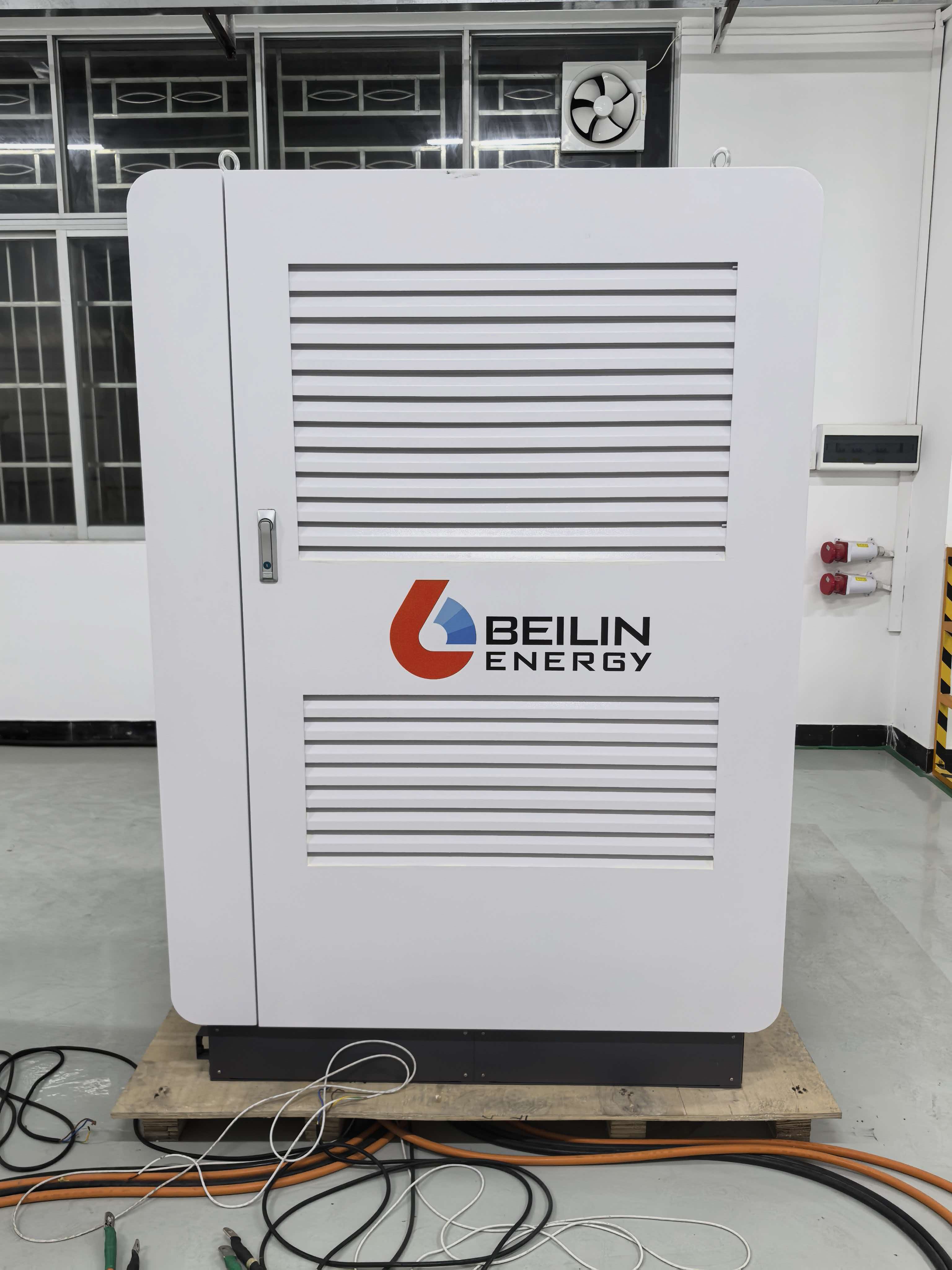
There is a strange relief in finding a charging stop that does exactly what it says on the screen. The first sign is usually the lack of a queue: no one is standing by a stalled charger, no one is on the phone with a help desk, and the cable isn’t draped over the bollard like a dead snake. These working stops tend to be in places that treat electricity as a service rather than a side project—grocery store lots, municipal parking garages, and rest areas where the staff actually know where the breaker panel is.
Some of the best ones are almost boring to describe. The screen responds on the first tap, the latch clicks, and the session starts without asking for three forms of identification. In states with colder winters, the reliable stops are often the ones with overhead canopies and snow cleared from the painted lines. You learn to notice small details: a well-lit corner, a trash can that gets emptied, a row of chargers that were clearly installed together rather than bolted on as an afterthought.
After a long trip, those stops become landmarks in memory, not because they are scenic but because they leave you alone to do what you came for. You plug in, walk over to the coffee counter, and come back to a car that has been charging the entire time. That is rarer than it should be, and it is exactly why the stops that work stand out more than any app rating can capture.
Networks you can reach without a long hold time
Long hold times tend to say more about a network's routing than its actual capacity. The ones we favor keep call queues short by skipping the usual maze of extensions and routing you to someone who can actually make a change. If you do have to wait, a callback option appears early, so you are not tied to speakerphone for half an hour.
That same low-friction approach carries over to online scheduling and direct local lines. Instead of being handed off three times, you usually get one person or one portal that handles the request from start to finish. Most calls are picked up in under two minutes, and many locations answer during evenings and weekends, which is when people actually have time to sort things out.
Straightforward pricing without surprise fees
The quote you approve is the figure you will see on the final invoice. There is no separate onboarding charge, no vague processing line, and no end-of-month email asking for a little more to cover unmentioned extras.
If the scope shifts, you will hear about the revised number before any extra work begins. That way, a small adjustment never turns into a larger bill that shows up after the fact.
It keeps planning simple. You decide what fits the budget based on real costs, not a teaser rate that quietly climbs once the project is underway.
Why the right location beats extra kilowatts
A 350 kW charger in the far corner of a deserted parking structure is still a charger nobody wants to visit after dark. Drivers don't plan around peak output alone; they plan around whether the stop feels safe, visible, and easy to reach. A well-placed unit near a coffee shop entrance or along a familiar route will gather steady use even at 50 kW, because convenience does the heavy lifting that raw power cannot.
Extra kilowatts only matter once someone has already decided to stop. The hidden friction is the detour, the confusing signage, the curb cut that forces a three-point turn. Remove those small obstacles with a smarter site choice, and you gain more completed sessions than a faster machine ever would in a poor spot.
There is also a quiet economic logic here. Usage consistency keeps revenue predictable, and predictable revenue beats peak hardware specs on a spreadsheet. A modest charger in the right place may out-earn an impressive one that sits idle, because location shapes habit, and habit is what fills the schedule day after day.
A good charging stop hides its complexity
The best charging stops rarely feel technical. You pull in, plug in, tap once, and the car starts drawing energy. That ease is not an accident. Behind a single smooth motion are layers of negotiation between the station, the grid, and the vehicle, but none of it should demand your attention.
What looks like a parking spot with a cable is actually a small industrial site that has been tamed. Power conversion, cable cooling, load balancing, and payment validation all happen within seconds. A well-designed location keeps these pieces quiet, so the driver never has to think about peak demand, connector temperature, or whether the screen is actually talking to the car.
When the complexity leaks through, you notice it immediately: a frozen screen, a cable too heavy to lift, a payment flow that asks the same question twice. The real craft is restraint. The station that gives you no story to tell is usually the one doing the most work behind the curtain.
FAQ
They tend to combine three things: enough stalls to avoid a queue, reliable hardware, and something to do while the battery fills. A plain charger behind a strip mall rarely makes the list, but a stop with shade, food, and easy highway access does.
Tesla Superchargers, Electrify America, and Ionity take most of the spots. A few independent sites make it because they sit at famous road-trip intersections or have unusually good facilities, not because of the brand on the cabinet.
Most are 150 kW to 350 kW DC fast chargers. A modern EV can go from about 10 to 80 percent in 18 to 35 minutes, though older models or hot weather can stretch that closer to 45.
The list leans heavily on the US and Europe. Big highway stops in California, the Midwest, Germany, and Norway come up often, while Asia is underrepresented in most English-language roundups despite having dense urban charging.
Many do. Electrify America and Ionity use CCS, which covers most non-Tesla EVs. Tesla stations are gradually opening to other brands with an adapter, but you should check the app before showing up because compatibility is not universal yet.
The Baker, California stop is hard to beat. It has a huge thermometer, desert views, and enough chargers that a short wait is uncommon. It feels like a proper road-trip landmark rather than a parking space with a cord.
Bring up the network's app and set up payment before you arrive. Plug in first, then check the screen or app to confirm the session started. Also, charge only to 80 percent at busy locations unless you need the extra range to reach the next stop.
Conclusion
Most roundups of EV charging stops get lost in peak-power specs and forget what actually makes a stop worth remembering. The best stations on this list share a quieter virtue: they don't force you to rebuild your day around them. A charger near a grocery store, a diner, or a park can turn a twenty-minute wait into something useful, while a faster plug in the middle of a dead lot often feels like lost time. That's the first filter—does the stop fit the trip you already had, rather than demanding a detour?
The second filter is trust. The stations included here earned their place because their hardware tends to work on the first try, their networks don't leave you on hold when a session fails, and their billing is predictable enough that you won't discover a surprise line item later. Several are not the most powerful options on paper, and that's intentional. At a certain point, a sensible location with a shaded bench, clear signage, and a decent cup of coffee matters more than an extra fifty kilowatts. A good stop hides its complexity: tap, plug in, walk away, come back to a car that's ready. These ten aren't exotic, they're just consistently useful—and that's exactly why they belong on the list.
Contact Us
Contact Person: Jason
Email: [email protected]
Tel/WhatsApp: 8615876017548
Website: https://www.bei-lin.com/