

Squeeze Tube Supplier Excellence: Your Guide to Quality Packaging Partners
2026-07-27
In the world of squeeze tube packaging, finding a supplier that combines innovation with reliability can be challenging. Yet, the right partner is the cornerstone of product success, from ensuring precise dispensing to maintaining brand integrity. Sanrong Packaging has carved a niche by blending state-of-the-art manufacturing with a deep understanding of market trends. This guide peels back the layers of what sets exceptional suppliers apart, offering insights that will help you navigate the packaging landscape with confidence.
Evaluating Supplier Expertise in Squeeze Tube Manufacturing
When assessing a supplier's know-how in squeeze tube production, the conversation often starts with a quiet walk through their facility. The way a team manages everything from polymer blending to precise shoulder forming speaks volumes about their depth of experience. A supplier who has navigated material shifts, new decorating requests, and demanding deadlines carries a calm confidence that separates them from a manufacturer simply checking boxes.
The proof often lies in the unplanned moments. Reviewing how a supplier handles a sudden molding deviation or a color mismatch during a trial run reveals their true problem-solving reflexes. Beyond certifications, look for pattern recognition born from years on the shop floor—understanding how subtle changes in polyethylene density or layer distribution affect tube durability and shelf appeal. Suppliers who openly discuss past challenges, not just successes, tend to offer a more reliable partnership.
Lastly, a capable partner often extends their expertise beyond the factory gate, suggesting laminate structures you hadn't considered or subtle tweaks to the orifice design that improve product feel. Ask for samples from a recent production run, not just gold-standard prototypes, and talk to the team members who would actually be accountable for your project. Their willingness to share genuine insights about tooling maintenance and inline quality checks often matters more than a polished sales presentation.
Material Matters: Choosing the Right Tube for Your Product
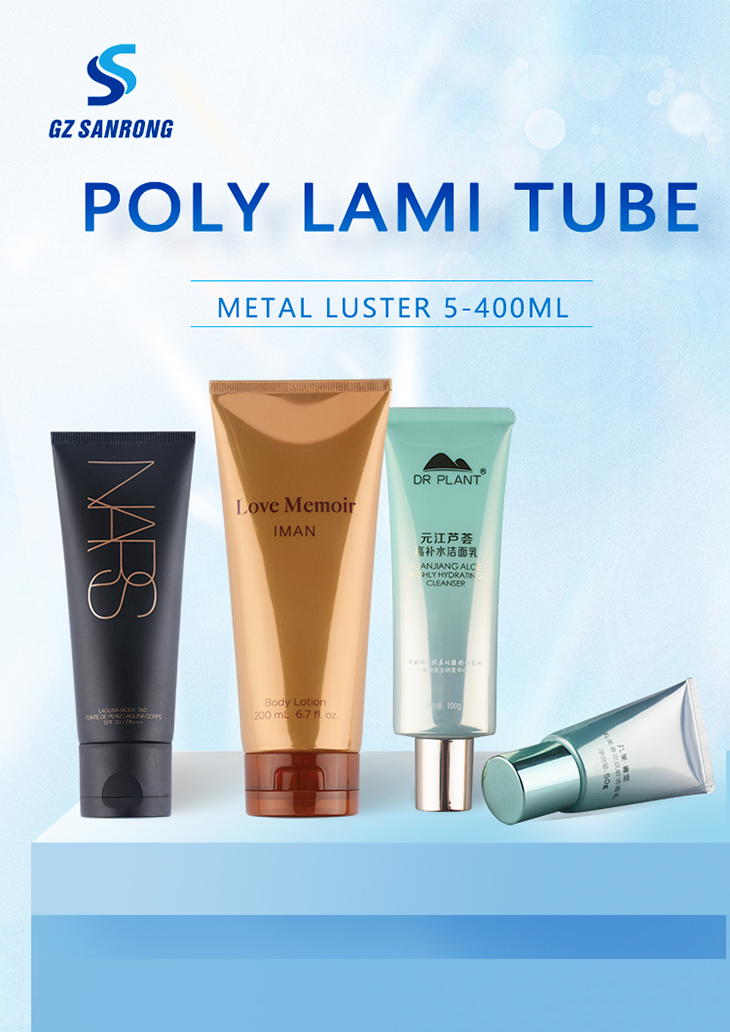
The material you pick for your tube isn’t just a minor spec—it dictates how your product performs, feels, and lasts. Start by asking what the tube will actually face: constant flexing, exposure to chemicals, extreme temperatures, or just a simple squeeze. Silicone thrives in medical and food settings because it stays flexible and resists bacteria, while polyurethane handles abrasion and kinks without a fuss. PVC might be cheap, but it can harden over time or leach plasticizers—fine for a one-time craft, less so for a piece of equipment meant to run for years. Match the material to the real-world demands, not just the price tag.
Too often, teams default to whatever tubing they’ve used before, only to see failures that trace right back to material incompatibility. Think about how the tube interacts with what flows inside: is the fluid acidic, oily, or prone to biofilm buildup? A thermoplastic elastomer could give you the rubbery feel without the degradation risks of natural latex. Don’t forget the outer environment either—UV rays, ozone, or even cleaning agents can eat away at a seemingly tough tube. Testing small samples before full production catches these mismatches early, saving you from returns and redesigns down the line.
Beyond function, the right tube material can make your product stand out in subtle ways. A softer, more tactile finish might encourage user handling, while a transparent wall lets operators confirm flow at a glance. Material choice also affects assembly: some tubes bond easily with adhesives, others need mechanical connectors. Opt for what simplifies your manufacturing without sacrificing durability. When you weigh all factors—mechanical stress, fluid compatibility, and user experience—the tube becomes more than a conduit; it becomes a deliberate part of your design.
Customization Capabilities That Set Partners Apart
Genuine partnership thrives when solutions adapt to unique business rhythms, not the other way around. Our customization framework starts where most end—by interpreting the unspoken nuances of your operational DNA. We embed domain experts within your teams, not to hand over a generic toolkit, but to co-sculpt features that fit your workflows organically. This means your dashboards mirror the metrics you actually care about, your automation handles exceptions you used to fix manually, and your integrations speak the same data dialect as your legacy systems.
What truly distinguishes us is how we balance flexibility with stability. Instead of offering a brittle “anything goes” platform that cracks under real-world complexity, we provide a curated core that snaps into extensions you define. Partners access a library of building blocks—from no-code UI composers to API-first hooks—that let you prototype a custom module over a lunch break and scale it across regions by month’s end. The magic lies in the invisible seams: your bespoke features inherit enterprise-grade security, performance monitoring, and compliance audits without extra legwork.
The partnership deepens through what we call “lived-in” customization. Rather than delivering a finished build and walking away, we run parallel testing against your actual use patterns, refine based on frontline feedback, and even predict needed adjustments before quarterly reviews. One logistics partner halved order processing time not by adding new tools, but by letting us sunset redundant screens and surface only context-aware actions. This kind of relentless simplification, guided by how your people actually work, makes the difference between a solution you use and one you live.
Quality Control Protocols You Should Demand
When you engage a supplier, don’t simply accept verbal assurances about quality. Demand a written protocol that details how they verify materials upon arrival, monitor production at critical stages, and validate finished products before shipment. This isn’t just a safety net—it’s your guarantee that defects are caught long before they reach your customers.
A reliable quality control plan should specify clear acceptance criteria, not vague notions of “good enough.” Insist on measurable standards: dimensional tolerances, weight limits, performance thresholds. Also require statistical sampling methods that are appropriate for your order volume, such as ANSI/ASQ Z1.4, so that you’re not left guessing whether a handful of checked items truly represents the batch.
Beyond inspections, ask for transparency in documentation. A robust protocol includes detailed records of every test performed, any deviations recorded, and corrective actions taken. This traceability helps you identify recurring issues and hold suppliers accountable. Finally, push for a commitment to continuous improvement—regular reviews of data should fuel refinements in the protocol itself, creating a cycle of ever-rising standards.
Sustainability in Squeeze Tube Packaging
The shift toward eco-friendlier squeeze tubes is gaining real momentum, but it’s not just about swapping one material for another. Brands are now experimenting with bio-based resins derived from sugarcane or corn, which can slash reliance on fossil fuels without sacrificing the durability needed to prevent punctures or leaks. Some are even exploring post-consumer recycled (PCR) content in tube bodies, though achieving the right consistency for seamless printing and barrier protection remains a technical tightrope.
Beyond materials, design plays a huge role in reducing waste. Mono-material tubes—where the shoulder, cap, and body are all made from the same polymer—make recycling far simpler for facilities that often reject multi-layer laminates. You’re also seeing a rise in concentrate formats: tiny tubes that consumers mix with water at home, cutting down on shipping weight and overall packaging volume. It’s a practical step that quietly tackles emissions without a parade of green claims on the label.
Future-Proofing Your Packaging Strategy
Building a packaging strategy that endures starts with designing for adaptability. Markets shift, consumer values evolve, and regulations tighten—your packaging must flex without faltering. Consider modular structures that allow component updates without overhauling entire lines, and materials that balance current functionality with future recyclability. By embedding adaptability into the core of your packaging design, you avoid reactive overhauls and maintain relevance as expectations change.
Long-term resilience also hinges on how well your packaging embraces resource intelligence and circular thinking. Opt for materials sourced from regenerative systems, and integrate smart features like scannable codes that link to product journeys or reuse instructions. This not only extends the lifecycle of your packaging but also turns it into a dynamic touchpoint with consumers who increasingly value transparency. Future-proof packaging isn’t just about survival—it’s about thriving in a resource-conscious economy without sacrificing brand identity or performance.
FAQ
Beyond basic certifications, look for a track record of material innovation and the ability to suggest alternative structures that maintain barrier properties while reducing plastic usage. A supplier that proactively shares data on burst strength variance across batches shows manufacturing control that prevents filling line issues.
Request accelerated compatibility studies at elevated temperatures (40-50°C) for at least 12 weeks, not just standard room temperature. Ask the supplier to measure peel strength between layers specifically after product exposure, as interlayer adhesion often degrades silently and causes delamination complaints later.
Insist on real-world simulation testing: tubes should be subjected to repeated squeezing, inversion, and exposure to common bathroom chemicals. One effective method is a 'shower-life' test where printed tubes are hung in a wet environment with soap contact to check for label lifting or ink rub-off over weeks.
The root cause is often mismatched polyethylene densities between the shoulder and body material. Demand that your supplier performs differential scanning calorimetry (DSC) on each resin batch to ensure they are within a tight melt-index range, as even small shifts can cause incomplete fusion during the molding process.
Standard dies are created for common filling line chuck sizes, but your product’s rheology might benefit from a slightly altered orifice. If your formula is shear-thinning, a 0.5mm diameter increase can dramatically reduce stringing and clean-up time. Collaborative suppliers will run flow simulations to prove this before tooling investment.
Move beyond the 'recyclable where facilities exist' claim by asking for third-party certification confirming the tube passes a specific Near-Infrared (NIR) sorting test as a single stream. Currently, many ‘mono-material’ tubes fail because black or dark-colored shoulder components confuse sorting sensors, keeping them out of the recycling stream.
Focus on the edge trim regrind management. Observe if the percentage of reground scrap being reintroduced into the tube body is consistent and whether it’s being fed into the middle layer of a multilayer structure. Scrap that ends up on the exterior layer can create surface imperfections and poor print adhesion, a common but avoidable defect.
Conclusion
In the competitive landscape of consumer goods, selecting a squeeze tube supplier goes beyond price comparisons. A truly excellent partner demonstrates deep expertise in tube manufacturing, understanding how wall thickness, orifice design, and sealing integrity affect product performance and shelf appeal. Material selection is equally critical—whether you need the barrier properties of aluminum for aggressive formulations, the lightweight versatility of plastic laminates, or eco-friendly biobased options, the right supplier guides you through material science without overwhelming jargon. Customization capabilities further separate exceptional suppliers from the ordinary. This includes not just decorative printing but structural customization like unique cap systems, tamper-evident features, and applicator tips that align with your brand promise and end-user convenience. When a partner invests in understanding your product’s rheology and dispensing needs, the result is packaging that feels intuitive and reinforces brand loyalty at every use.
However, expertise and customization are meaningless without rigorous quality control. Demanding protocols such as inline leak detection, burst strength testing, and dimensional consistency checks ensures that every tube that leaves the production line meets your specifications. A reputable supplier will have certifications like ISO 9001 and adhere to GMP if you’re in pharmaceuticals or cosmetics. Beyond quality, sustainability has become a non-negotiable pillar. Look for partners actively reducing material usage, incorporating post-consumer recycled content, and designing for recyclability or reuse. This doesn’t just satisfy regulatory trends; it resonates with consumers who increasingly make purchasing decisions based on environmental impact. Finally, future-proofing your packaging strategy requires a supplier who stays ahead of industry shifts—be it smart packaging for traceability, mono-material structures for easier recycling, or agile manufacturing that can scale with your growth. Building a collaborative relationship with such a supplier transforms packaging from a cost center into a strategic asset.
Contact Us
Contact Person: Alex Wu
Email: [email protected]
Tel/WhatsApp: 86-20-37965868
Website: https://www.gzsanrong.com/en.html