

Silent Generator Set Manufacturing: Key Challenges and Solutions for Quality Production
2026-05-14
In an era where noise pollution is as critical as power reliability, manufacturing silent generator sets demands precision and innovation. From acoustic enclosure design to vibration dampening, every detail counts. Yet, achieving consistent quality production involves navigating a maze of technical hurdles. At Hichai Power, we've turned these challenges into a blueprint for excellence—here's how.
Mastering Sound Reduction Without Losing Power Output
Taming noise in a high-performance setup often feels like walking a tightrope—push too far toward silence, and you might choke the very output you're trying to preserve. Yet it's entirely possible to keep your system's roar without the unwanted hiss or drone. The trick lies in treating sound at its source and along its path, not just slapping on heavy insulation that suffocates airflow and robs energy. Think of it as reshaping the acoustic footprint rather than silencing it outright.
Start with the exhaust: a well-designed helmholtz resonator can cancel out specific drone frequencies without adding backpressure, while retaining the crisp, authoritative note under load. On the intake side, carefully dimensioned airboxes and resonance chambers filter out flutter and whoosh without starving the engine of breath. Even mounting points matter—decoupling brackets and dampened clamps prevent structure-borne vibrations from turning panels into unintended speakers, all without costing a single horsepower.
It's also about material intelligence. Instead of generic mass-loaded vinyl, layered composites with tuned absorption peaks let you target only the problem frequencies, leaving the exhilarating sounds intact. Strategically placed micro-perforated panels or porous diffusers break up standing waves in the cabin or enclosure, delivering a quiet cruise without turning your machine into a muted appliance. The result is a finely balanced character: all the thrust, none of the fatigue.
Smart Material Selection for Superior Acoustic Insulation
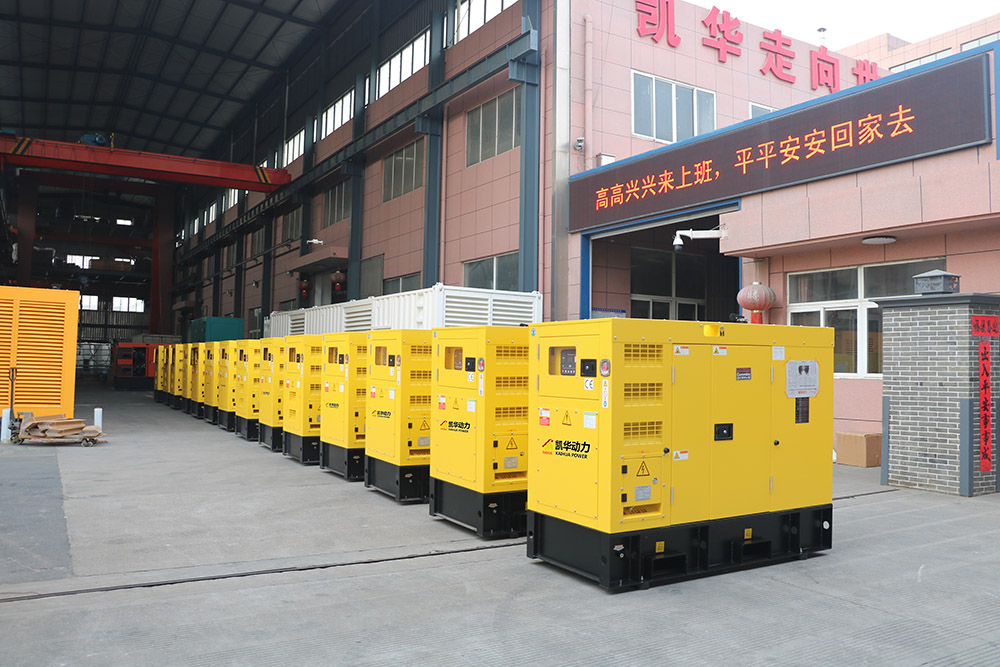
Achieving top-tier soundproofing isn’t about piling on mass alone—it’s about choosing materials that work intelligently across frequency ranges. Dense barriers like mass-loaded vinyl excel at blocking airborne noise, but pairing them with viscoelastic damping compounds transforms vibration into heat, tackling structural resonance that thinner walls often fail to address. This layered thinking, blending mass with energy dissipation, is what turns a good partition into a truly quiet one.
Modern solutions go further by adapting to the sound itself. Porous absorbers, such as open-cell melamine foam, trap mid-to-high frequencies without adding bulk, while micro-perforated panels provide clean, broad-spectrum absorption in spaces where traditional wraps would look out of place. Even the substrate matters—using resilient channels or isolation clips strips away the mechanical bridges that let flanking noise bypass your best materials. It’s a deliberate, almost surgical approach: for every path sound can travel, a thought-out material sits ready to interrupt it.
Engineering Tolerances That Quiet the Combustion Process
Precision engineering tolerances play a critical role in minimizing the harshness of combustion. When components like pistons, cylinder walls, and injectors are machined to exacting standards, the chaotic energy of the burn is transformed into a more controlled, subdued event. Even microscopic deviations can amplify pressure spikes and vibration, so engineers chase tolerances down to the micron to create a smoother, quieter engine operation.
It's not just about preventing noise—tight tolerances significantly reduce harmonic disturbances that travel through the vehicle structure. By ensuring near-perfect alignment and minimal clearance, the combustion process becomes more uniform, suppressing the sharp impulses that cause audible clatter. This approach extends to valvetrain components and fuel delivery systems, where precision helps orchestrate a consistent flame front, ultimately hushing the roar into a gentle hum.
Modern manufacturing techniques like laser etching and diamond honing allow for surfaces that mate with incredible accuracy. When diesel injectors deliver fuel at just the right moment and pistons glide with minimal friction, the combustion pulse softens. The result is an engine that doesn’t just meet emissions targets but also feels more refined, proving that the quietest engines often owe their manners to tolerances invisible to the naked eye.
Enclosure Dynamics: Designing for Maximum Sound Attenuation
Effective sound attenuation in enclosure design isn't just about adding mass—it's about understanding how different materials and structural details interact with the sound energy you're trying to block. A common mistake is relying on a single thick barrier, only to have flanking paths through vents, seams, or structural connections undermine the entire effort. By carefully addressing these weak points and selecting composite wall assemblies that combine mass, damping, and decoupling, you can achieve far greater isolation than the individual materials would suggest.
The key lies in the synergy between absorption, reflection, and isolation layers. Porous absorbers inside the enclosure reduce the buildup of internal sound pressure, while limp mass barriers reflect and attenuate the remaining energy. But if the enclosure is not fully sealed, even tiny air gaps act as high-pass filters, letting through higher frequencies and reducing the overall insertion loss. Every joint, cable entry, and access panel becomes a potential leak, so airtight construction is as critical as the acoustic performance of the panels themselves.
Finally, consider the mounting and the environment: a rigid connection to a vibrating surface will transmit structure-borne noise directly, bypassing the enclosure walls. Vibration isolation mounts, flexible seals, and attention to the stiffness of panels at low frequencies can prevent resonance passing through. A well-designed enclosure treats the noise problem systematically—balancing mass, stiffness, damping, and sealing—so that the final result isn't just a box, but a precisely engineered barrier that works across the intended frequency spectrum.
Testing Protocols That Verify Real-World Quiet Performance
To truly understand how quiet a product is under everyday conditions, standard lab tests often fall short. They measure sound in controlled environments that ignore the chaotic nature of real life — fluctuating ambient noise, different surface types, and varied user behaviors. That’s why forward-thinking manufacturers now rely on protocols that replicate actual usage scenarios. These tests capture sound levels in busy kitchens, open offices, or late-night nurseries, providing data that actually matters to people using the device. Without this, noise ratings remain just numbers on a spec sheet, disconnected from genuine experience.
One key element of effective real-world quiet testing is the use of binaural recording setups. Unlike a single microphone that captures sound pressure level, binaural methods mimic human hearing, recording exactly what a user would perceive in three-dimensional space. This approach reveals not just how loud something is, but how intrusive or distracting the sound feels. For instance, a dishwasher might have a low decibel rating but produce an irritating high-frequency whine that standard tests miss. By embedding test protocols in lived environments and analyzing psychoacoustic parameters, engineers can refine designs until they genuinely fade into the background.
Balancing Cooling Efficiency with Acoustic Containment
Achieving optimal thermal performance without sacrificing quiet operation is a persistent challenge in modern facility design. Traditional approaches often treat cooling capacity and noise control as separate priorities, but the two are deeply intertwined. High-velocity airflow from powerful fans can degrade acoustic comfort, while excessive soundproofing measures may choke ventilation and lead to heat buildup. The most effective solutions come from a holistic view, where airflow paths, component selection, and enclosure materials work together seamlessly.
Practical execution demands careful attention to both air movement and sound propagation. Variable-speed drives allow fans to ramp up only when necessary, reducing constant background noise without compromising peak cooling. Placing absorptive baffles away from direct airflow maintains steady air delivery while significantly cutting down mid- and high-frequency tone. Additionally, lining internal surfaces with treated fiberglass or open-cell foam dampens reverberation inside the enclosure without obstructing intake and exhaust paths. Every adjustment is a trade-off: too much absorption can increase static pressure, forcing fans to work harder and potentially raising noise at a different frequency band.
Ultimately, balancing these two factors is less about finding a perfect one-size-fits-all solution and more about adaptive management. Real-time monitoring tools now enable dynamic control, modulating fan speeds and active noise cancellation based on current thermal loads. When ambient temperatures drop, fans can spin down and noise levels plummet automatically. This responsive approach means designers no longer have to sacrifice cooling headroom for the sake of a quiet environment during off-peak hours. By treating efficiency and acoustics as complementary goals rather than competing demands, facilities can achieve a state where reliable heat dissipation and low-noise operation coexist naturally.
FAQ
The biggest obstacles involve managing engine and alternator vibrations, selecting sound-attenuating materials that don't compromise airflow, and designing enclosures that balance noise dampening with accessibility. Fine-tuning the exhaust system and using double-layer barriers often makes a noticeable difference.
Persistent vibration can loosen fasteners, crack welds, and accelerate component wear. Effective solutions include precision-balanced rotors, resilient mounts, and strategic stiffening of the frame to distribute stress, which together extend the set's lifespan.
Beyond just sealing gaps, it's about creating a multi-layer barrier with mass-loaded vinyl and acoustic foam, ensuring proper air intake and exhaust paths to prevent overheating, and using curved surfaces to break up sound waves. Modular designs also simplify maintenance without sacrificing quiet operation.
Soundproof enclosures trap heat by nature. Overheating reduces efficiency and can damage components. Solving this requires carefully engineered airflow channels, high-capacity cooling fans, and heat-resistant insulation that doesn't degrade over time. Some manufacturers even separate the cooling system from the soundproofed chamber.
Consistency hinges on standardized assembly procedures, regular acoustic testing at each stage, and strict supplier vetting for materials like acoustic seals and mounts. Investing in automated inspections for weld integrity and noise measurements catches defects early, reducing costly rework.
Composite laminates with a metal skin and a viscoelastic core are gaining traction because they dampen vibrations internally. Powder-coated aluminum offers corrosion resistance without adding weight, and advanced gaskets maintain their seal despite temperature fluctuations, which was a weakness of older rubber seals.
Even small misalignments can create gaps that leak sound. Precision jigs for panel fitting, torquing bolts to exact specs to avoid resonance, and applying damping compounds at joints are hands-on steps that dramatically lower decibel levels. Post-assembly fine-tuning is often where skilled workers make the real difference.
Conclusion
Manufacturing silent generator sets demands a fine balance between acoustic performance and power delivery—a challenge that forces engineers to rethink every stage of design and production. The core struggle lies in suppressing noise without choking the engine’s output, and this starts with re-engineering the combustion process itself. By tightening tolerances in cylinder bores, pistons, and fuel injection systems, manufacturers can smooth out the sharp pressure spikes that create the most intrusive low-frequency rumble. At the same time, enclosure design becomes a science of deflection and absorption: multi-layered steel panels with constrained-layer damping, coupled with precisely calculated air gaps and Helmholtz resonator cavities, can shave decibels off without adding excessive bulk. The real art, however, is in material selection. Advanced composite foams, mass-loaded vinyl barriers, and micro-perforated absorbers are no longer optional—they are the difference between a muffled hum and a disruptive roar. These materials must withstand heat cycles, vibration, and moisture while keeping their acoustic properties intact over years of field use, so durability testing is as rigorous as the initial sound trials. Every decibel lowered inside the canopy is a win, but only if the engine can still breathe and perform at full load.
The hidden battleground is thermal management. Acoustic enclosures trap heat, and without clever airflow routing, a quiet generator quickly becomes an overheated one. Engineers resort to serpentine ducts, remote-mounted radiators with low-speed fans, and sometimes liquid-cooled exhaust systems that double as heat exchangers—all designed to let heat escape while forcing sound waves to take a tortuous path. And none of this matters without verification that replicates real-world conditions. Laboratory tests with calibrated microphones in anechoic rooms give a baseline, but true validation occurs on concrete pads, under partial load, with wind and ambient noise. Field-testing protocols now include transient response checks—how the set behaves when a heavy load kicks in—because the loudest moments often happen during load steps, not steady state. Production teams then face the ongoing task of repeatability: welding seams must be airtight to avoid acoustic leaks, door seals must compress uniformly, and every batch of insulation cut to exact dimensions. When these elements align, the outcome is a generator that delivers power without screaming its presence—a machine that meets noise regulations while providing the robust backup the customer expects.
Contact Us
Contact Person: Ms. Lu
Email: [email protected]
Tel/WhatsApp: 8618917899306
Website: https://www.hichaipower.com