
Sanitary Pad Production Line: A Comprehensive Guide to Factory Manufacturing
2026-03-12
Have you ever wondered how the essential feminine hygiene product that millions rely on each month is actually made? In today's fast-paced world, the behind-the-scenes process of sanitary pad production remains a fascinating and often overlooked aspect of manufacturing. This comprehensive guide takes you inside the sophisticated world of factory production lines, where precision engineering meets hygiene standards to create products that support women's health and well-being. At Womeng, we specialize in cutting-edge machinery that powers these innovative lines, ensuring efficiency and quality at every step. Whether you're an industry professional, a curious entrepreneur, or simply interested in how everyday items come to life, this blog will unravel the complexities and highlight the technology driving modern sanitary pad manufacturing. Join us as we explore the journey from raw materials to finished products, and discover what makes a production line not just functional, but transformative.
Essential Machinery for Sanitary Pad Manufacturing
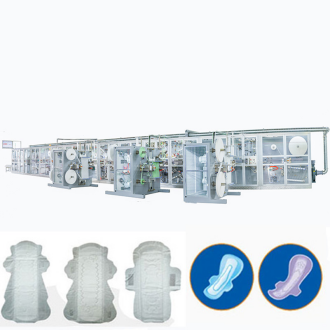
When setting up a sanitary pad production line, certain core machinery is non-negotiable. At the heart of the process lies the pulp forming unit, where wood pulp or other absorbent fibers are precisely layered, often with a superabsorbent polymer (SAP) integration for enhanced capacity. This machine determines the pad's core integrity and absorption profile. Following closely is the non-woven fabric bonding equipment, which encases the core in soft, breathable cover stock and leak-proof backing, using thermal or ultrasonic methods for seamless, durable edges. These two setups form the functional backbone of every pad.
Beyond the basics, modern lines incorporate specialized machines that elevate quality and efficiency. A critical piece is the embossing and cutting system, which not only die-cuts pads into specific shapes—be it wings, contours, or standard designs—but also adds discreet surface patterns for comfort and fluid distribution. Additionally, high-speed folding and packaging units are indispensable, automating the final steps to wrap individual pads hygienically and assemble them into consumer-ready packs or bulk boxes with consistent precision.
Advanced manufacturers might also integrate quality control scanners and smart sensors throughout the line. These devices monitor parameters like weight, thickness, and SAP distribution in real-time, flagging deviations automatically. While not always listed as 'essential,' such tech is becoming a differentiator, reducing waste and ensuring each pad meets strict hygiene standards without manual checks slowing down output.
Raw Material Selection and Quality Control Standards
Selecting the right raw materials is the cornerstone of producing high-quality products, and it begins with a thorough vetting process that considers not just cost but also sustainability and ethical sourcing. We work closely with a network of trusted suppliers who share our commitment to excellence, conducting on-site audits to verify their practices and ensure they meet our stringent criteria. This proactive approach helps us build resilient supply chains and reduce risks associated with material inconsistencies or delays.
Quality control is integrated at every stage, from initial receipt to final production, with rigorous testing procedures tailored to each material's unique properties. Our team employs advanced analytical techniques, such as spectroscopy and chromatography, to detect impurities or deviations that could impact performance. By maintaining detailed documentation and traceability systems, we can quickly address any issues and continuously refine our standards based on real-world feedback and industry advancements.
To stay ahead in a competitive market, we regularly review and update our quality protocols, incorporating innovations and best practices from diverse sectors like pharmaceuticals and automotive manufacturing. This dynamic framework ensures our products not only comply with global regulations but also exceed customer expectations for durability and safety, fostering trust and long-term partnerships with clients who value reliability and transparency in every batch.
Step-by-Step Assembly Process in Production Lines
In modern manufacturing, assembly lines serve as the backbone, orchestrating a seamless journey from raw components to finished products. Each station along the line plays a crucial role, ensuring that every piece fits perfectly, much like a well-rehearsed symphony where timing and precision are non-negotiable. This structured approach not only boosts efficiency but also minimizes errors, allowing teams to focus on quality control and innovation.
From initial assembly stages where workers or machines position core parts, to later phases involving intricate wiring or fastening, the process flows naturally without bottlenecks. Visual aids and digital checklists guide operators, making complex tasks manageable and reducing downtime. By integrating flexible modules, production lines can adapt to different product variations, keeping pace with market demands while maintaining consistent output.
Ultimately, this systematic breakdown transforms chaotic workflows into a cohesive operation, where each step builds upon the last to deliver reliable, high-quality goods. Emphasizing continuous improvement, teams regularly review and tweak procedures, ensuring that the assembly process remains agile and responsive to evolving industry standards.
Automation and Efficiency in Modern Pad Factories
In today's manufacturing landscape, pad factories are increasingly turning to automation to streamline their operations and boost overall efficiency. Gone are the days of manual assembly lines and error-prone processes; smart machines now handle tasks from cutting and shaping materials to packaging finished products. This shift not only speeds up production cycles but also ensures higher precision and consistency in every pad produced, meeting quality standards that were previously challenging to achieve on a large scale.
The integration of automated systems extends beyond just machinery, encompassing inventory management and logistics as well. For instance, sensors and IoT devices track raw material levels in real time, triggering automatic replenishments to prevent shortages and minimize downtime. This proactive approach helps factories respond swiftly to demand fluctuations, reducing waste and cutting costs associated with overstocking or delays—a key factor in maintaining a competitive edge in a fast-paced market.
Moreover, modern pad factories leverage data analytics to further enhance efficiency. By analyzing production data, managers can identify bottlenecks and optimize workflows, leading to continuous improvement. This data-driven mindset fosters innovation, allowing factories to adapt quickly to new trends or customer preferences without sacrificing output quality or speed, ultimately creating a more resilient and agile manufacturing environment.
Environmental Considerations in Manufacturing Practices
When we think about modern manufacturing, it's more than just assembly lines and efficiency—it's about how we treat our planet every step of the way. From sourcing raw materials to final product delivery, companies are now reevaluating their practices to cut down on waste and reduce their carbon footprint. This shift isn't just about compliance with regulations; it's a conscious effort to preserve natural resources for future generations. As industries evolve, integrating green technologies like renewable energy and water recycling systems has become a priority, showing that sustainability can go hand-in-hand with productivity.
Another key aspect is the push towards circular economy models, where manufacturers design products with end-of-life in mind. Instead of following the traditional take-make-dispose pattern, businesses are exploring ways to reuse materials, refurbish components, and encourage recycling. This approach not only minimizes environmental impact but also opens up new revenue streams through second-life markets. Consumers are increasingly drawn to brands that prioritize eco-friendly packaging and transparent supply chains, driving a competitive edge for those who innovate in this space.
Beyond process improvements, there's a growing emphasis on ethical sourcing and biodiversity conservation. Factories are setting up in locations that avoid disrupting local ecosystems, and partnerships with environmental NGOs are becoming common to monitor and mitigate any adverse effects. Training employees on sustainable practices ensures that these values are embedded in daily operations. Ultimately, embedding environmental considerations into manufacturing isn't a trend—it's a fundamental rethinking of how we create value responsibly, balancing economic growth with planetary health.
Packaging Innovations for Safety and Convenience
The evolution of packaging design is increasingly focused on merging safety protocols with user-friendly features, ensuring that products not only reach consumers intact but also offer seamless interaction. For instance, tamper-evident seals and child-resistant closures have become standard in sectors like pharmaceuticals and household chemicals, directly addressing critical safety concerns. These innovations go beyond mere compliance, incorporating intuitive mechanisms—like easy-open tabs or resealable zippers—that reduce frustration and enhance daily convenience. This dual approach transforms packaging from a passive container into an active contributor to consumer well-being and satisfaction.
In the realm of convenience, recent strides include smart packaging technologies that integrate QR codes or NFC tags, allowing users to access detailed product information, usage instructions, or even reorder options with a simple scan. Such features not only boost safety by providing transparent data on sourcing and expiry dates but also streamline the shopping and usage experience. Flexible packaging solutions, like stand-up pouches with ergonomic handles, have gained popularity for their lightweight, space-efficient designs that make storage and transportation easier. By prioritizing both protection and practicality, these advancements cater to modern lifestyles where efficiency and reliability are paramount.
From a sustainability angle, innovations in materials—such as biodegradable plastics or compostable films—are enhancing safety by reducing environmental toxins while offering convenient disposal methods. Additionally, modular packaging systems enable easy assembly and reuse, appealing to eco-conscious consumers. This holistic view ensures that packaging not only safeguards contents but also aligns with broader societal values, setting new benchmarks for the industry. Through continuous refinement, these developments demonstrate a commitment to creating packaging that is both robust and responsive to evolving consumer needs.
FAQ
A sanitary pad production line typically involves several stages: material preparation, core forming, shaping and sealing, finishing, and packaging. Each stage requires precise machinery and quality control to ensure product safety and comfort.
Modern factories use automated inspection systems, including vision sensors and weight checks, to detect defects. They also conduct regular tests for absorbency, leakage protection, and material safety to meet industry standards.
Common materials include absorbent cores (often made from wood pulp or superabsorbent polymers), top sheets (like non-woven fabrics for comfort), back sheets (plastic films for leak-proofing), and adhesives for secure placement.
Challenges can include high initial investment in specialized machinery, ensuring consistent raw material supply, training staff on complex equipment, and adhering to strict hygiene and environmental regulations.
Production lines are adjustable to vary dimensions, absorbency levels, and features like wings. This involves tweaking machine settings, using different core materials, and modifying shaping tools to cater to diverse consumer needs.
Factories implement measures like proper ventilation to handle dust, protective gear for handling chemicals, regular equipment maintenance to prevent accidents, and hygiene protocols to maintain a sterile environment.
Conclusion
The sanitary pad production line represents a sophisticated integration of specialized machinery, precise material handling, and automated systems designed for high-volume manufacturing. Essential equipment like pulp forming machines, core assembly units, and sealing systems work in concert with strict quality control measures for raw materials such as absorbent polymers and non-woven fabrics. This ensures consistent product performance from raw material selection through to the final assembly stages, where layers are precisely bonded and shaped in a step-by-step process that maximizes efficiency and minimizes waste.
Modern factories leverage advanced automation to enhance throughput and reduce human error, incorporating environmental considerations like water recycling and biodegradable components into their practices. Innovations in packaging further contribute to safety and convenience, utilizing eco-friendly materials and user-friendly designs. Together, these elements create a comprehensive manufacturing guide that balances productivity with sustainability, delivering reliable sanitary products while adapting to evolving industry standards and consumer expectations.
Contact Us
Contact Person: Jessie Lai
Email: [email protected]
Tel/WhatsApp: 86-188594442931
Website: https://www.wm-machinery.com