
Sanitary Napkin Machines: How Leading Factories Manufacture Quality Products
2026-03-10
Have you ever wondered how the humble sanitary napkin is transformed from raw materials into the reliable products we depend on every day? Behind this everyday essential lies a world of precision engineering, cutting-edge technology, and rigorous quality control. In this blog, we'll pull back the curtain on the machinery that powers the industry, revealing how leading factories manufacture top-tier products. Discover how Womeng sets the standard in this vital sector—stay tuned to explore the innovations that ensure safety, comfort, and sustainability. Ready to dive into the fascinating process? Let's begin!
Innovative Production Line Designs for Enhanced Efficiency
In today's competitive manufacturing landscape, companies are rethinking traditional assembly lines to boost productivity and reduce waste. By integrating modular setups and smart automation, these designs allow for rapid reconfiguration to meet shifting market demands. This flexibility not only speeds up production cycles but also minimizes downtime, giving businesses a clear edge in responsive manufacturing.
One standout approach involves the use of collaborative robots and IoT sensors working in tandem along the production floor. These elements create a seamless flow of real-time data, enabling predictive maintenance and just-in-time material delivery. As a result, bottlenecks are identified and resolved almost instantly, leading to smoother operations and a notable uptick in overall throughput without sacrificing quality.
Beyond technology, ergonomic and sustainable design principles are reshaping how lines are structured. By prioritizing worker comfort and energy efficiency, these innovations reduce fatigue-related errors and lower operational costs. This holistic focus ensures that gains in efficiency are both environmentally sound and human-centered, fostering a more resilient and agile production environment.
Material Selection and Quality Control in Sanitary Napkin Manufacturing
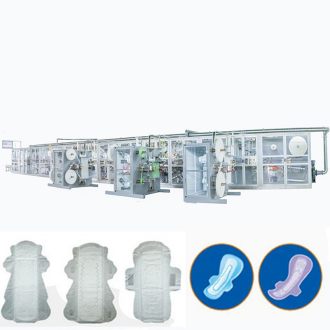
When it comes to making sanitary napkins, picking the right materials is a crucial first step that shapes everything from comfort to safety. Manufacturers typically start by sourcing high-absorbency cores, like fluff pulp or superabsorbent polymers, which are tested for their ability to lock in moisture quickly. The top layer, often a soft non-woven fabric, is chosen for its gentle feel against the skin and breathability, while the backsheet uses a waterproof material, such as polyethylene film, to prevent leaks. Beyond function, suppliers are increasingly opting for eco-friendly or hypoallergenic options in response to consumer demands for sustainability and sensitivity awareness.
Quality control in this process isn't just a checkbox—it's a rigorous, multi-layered system that kicks in from raw material inspection. Each batch of materials undergoes lab tests for absorption rates, tensile strength, and chemical safety to catch any flaws early. On the production line, automated sensors and manual checks monitor parameters like adhesive application and seal integrity, ensuring every napkin meets strict standards. This proactive approach helps minimize defects and maintain consistency, which is vital for building trust in a product that people rely on daily.
What sets leading manufacturers apart is how they weave innovation into their material and quality strategies. For instance, some integrate smart technologies, like moisture-sensing layers or antimicrobial additives, to enhance performance. Regular audits and feedback loops with end-users allow for continuous improvement, adapting materials to real-world needs. By blending advanced testing with a focus on user-centric design, companies can deliver napkins that not only perform reliably but also stand out in a crowded market through enhanced comfort and environmental responsibility.
Cutting-Edge Automation Technologies Transforming Production
From robotic arms that perform precise assembly tasks to collaborative robots working alongside humans, automation is redefining the boundaries of manufacturing efficiency. These technologies not only accelerate production cycles but also reduce errors, leading to higher quality outputs and cost savings. As industries adopt more flexible and autonomous systems, the very nature of production lines is shifting towards smarter, more resilient operations.
The integration of AI and IoT into automation tools brings real-time data analysis and predictive maintenance, minimizing downtime and enhancing overall equipment effectiveness. By leveraging machine learning algorithms, systems can adapt to varying conditions, optimize workflows, and even self-correct minor faults, pushing productivity to unprecedented levels. This evolution allows factories to respond swiftly to market demands while maintaining a competitive edge.
Moreover, advancements in 3D printing and additive manufacturing are complementing traditional automation by enabling rapid prototyping and on-demand production. Combined with digital twins that simulate entire processes, these innovations foster a connected ecosystem where design and manufacturing converge seamlessly. The result is a transformative impact on supply chains, empowering companies to innovate faster and reduce waste in an increasingly dynamic global landscape.
Ensuring Hygiene and Safety Standards in the Factory Environment
Maintaining high hygiene and safety standards in the factory environment is paramount for both operational efficiency and employee well-being. A clean workspace not only reduces the risk of contamination in production lines, especially in sectors like food processing or pharmaceuticals, but also fosters a culture of accountability among staff. Regular audits and training sessions help reinforce these principles, ensuring that every team member understands their role in upholding a safe and hygienic setting.
Beyond basic cleanliness, integrating advanced technologies—such as automated cleaning systems and real-time monitoring tools—can significantly elevate safety protocols. These innovations allow for early detection of potential hazards, from microbial growth to equipment malfunctions, enabling proactive interventions. By prioritizing such measures, factories can minimize downtime, enhance product quality, and build trust with clients who rely on consistent, safe outputs.
Ultimately, a commitment to hygiene and safety goes beyond compliance; it reflects a company's dedication to its workforce and community. Investing in ergonomic designs, proper ventilation, and waste management systems demonstrates a holistic approach that not only meets regulations but also boosts morale and productivity. In today's competitive landscape, such practices can set a facility apart, attracting talent and partners who value responsible, sustainable operations.
Customization and Flexibility in Meeting Diverse Market Demands
In today's fast-paced global market, businesses face a kaleidoscope of customer preferences and regional variations. Customization and flexibility are no longer mere buzzwords but essential strategies that allow companies to tailor their offerings to meet these diverse demands effectively. By adapting products, services, and processes, organizations can enhance customer satisfaction and loyalty, turning varied market needs into opportunities for growth and innovation.
Leveraging advanced technologies like AI and data analytics enables firms to gather real-time insights into consumer behavior, facilitating quick adjustments to marketing strategies or product features. This agility not only helps in responding to shifting trends but also positions companies as responsive leaders in their industries, setting them apart from competitors who stick to rigid, one-size-fits-all approaches.
Ultimately, embracing customization and flexibility fosters long-term resilience by building adaptable business models that can weather economic fluctuations and emerging challenges. It encourages a culture of continuous improvement, where feedback from diverse markets drives iterative development, ensuring relevance and competitiveness in an ever-changing landscape.
Sustainability Practices and Eco-Friendly Innovations in Manufacturing
Manufacturers are increasingly weaving sustainability into their core operations, moving beyond mere compliance to proactive environmental stewardship. This shift involves adopting practices like lean production to minimize waste, sourcing renewable energy to cut carbon footprints, and implementing closed-loop systems that recycle materials back into production cycles. For instance, many factories now use water recirculation technologies that significantly reduce freshwater consumption, while others integrate green building standards to optimize energy efficiency in facilities. By prioritizing eco-conscious methods, companies not only mitigate their environmental impact but often realize cost savings through reduced resource use and enhanced operational resilience in the face of regulatory changes.
Innovations in eco-friendly manufacturing are sparking transformative changes across industries, driven by advancements in materials science and digital technologies. One standout example is the development of biodegradable polymers and composites derived from plant-based sources, which offer durable alternatives to traditional plastics without the lasting ecological harm. Additionally, additive manufacturing, or 3D printing, is revolutionizing production by enabling on-demand creation with minimal material waste, as it builds objects layer by layer rather than cutting away excess. These technologies are complemented by smart sensors and IoT devices that monitor energy usage and emissions in real-time, allowing for precise adjustments that further shrink environmental footprints. Such innovations not only support greener outputs but also empower manufacturers to tailor products more sustainably, meeting rising consumer demand for responsible goods.
Looking ahead, the integration of sustainability into manufacturing is becoming a competitive differentiator that drives long-term value and brand loyalty. Companies that embrace these practices often find themselves at the forefront of market trends, attracting environmentally conscious customers and investors. Collaborative efforts, such as industry-wide sustainability certifications and partnerships with green tech startups, are accelerating this evolution, fostering a culture of continuous improvement. By blending traditional efficiency gains with cutting-edge innovations, manufacturers can craft a legacy of resilience and responsibility, ensuring that their operations contribute positively to both the economy and the planet. This holistic approach not only addresses immediate environmental challenges but also sets a benchmark for future generations in the industry.
FAQ
Factories typically follow key steps: raw material preparation (like absorbent cores and non-woven fabric), assembly through automated machines for layering and shaping, adhesive application for secure fit, cutting to precise sizes, packaging in sterile conditions, and quality control checks at each stage.
They use precision sensors to monitor thickness and absorbency, automated feeders to maintain material uniformity, real-time feedback systems to adjust parameters, and vision systems to detect defects, ensuring each napkin meets strict standards.
They often opt for biodegradable or plant-based fibers, chlorine-free fluff pulp for absorbency, breathable non-woven covers, and hypoallergenic adhesives, balancing sustainability with user comfort and effectiveness.
Innovations include recycling scrap material in-line, using energy-efficient dryers, implementing lean manufacturing processes to minimize downtime, and developing compact, multi-function machines that save space and resources.
Through multi-level checks: raw material testing for purity and strength, in-process inspections during assembly, final product sampling for absorbency and leak-proof performance, and audits based on international standards like ISO.
Challenges include maintaining material consistency at high speeds, ensuring adhesive curing times match output, and managing supply chain logistics. Solutions involve upgrading to faster, more reliable machines, optimizing workflow layouts, and diversifying supplier networks.
Automation boosts precision, reduces human error, increases production rates, lowers labor costs, and enhances hygiene by minimizing manual handling, leading to higher-quality, more affordable products for consumers.
Conclusion
Leading factories in sanitary napkin manufacturing employ innovative production line designs that seamlessly integrate cutting-edge automation technologies, fundamentally transforming traditional production processes. By strategically incorporating robotics and AI-driven systems, these facilities achieve remarkable efficiency gains while maintaining strict hygiene and safety standards throughout the factory environment. Advanced material selection protocols and rigorous quality control measures ensure that every component meets exacting specifications, contributing to consistently superior product performance. This holistic approach not only optimizes operational workflows but also establishes a robust foundation for manufacturing excellence, enabling rapid adaptation to evolving market needs.
The industry's commitment to sustainability and eco-friendly innovations further distinguishes top-tier manufacturers, who actively implement green practices and utilize biodegradable materials without compromising product quality. Customization and flexibility form another cornerstone, allowing factories to efficiently meet diverse global market demands through modular production systems and tailored solutions. By harmonizing technological sophistication with environmental responsibility and market responsiveness, these leading facilities demonstrate how modern sanitary napkin machines can deliver both exceptional quality and scalable, future-ready manufacturing capabilities, setting new benchmarks in the sector.
Contact Us
Contact Person: Jessie Lai
Email: [email protected]
Tel/WhatsApp: 86-188594442931
Website: https://www.wm-machinery.com