

Reliable Inkjet Marking Systems Enhance Product Traceability and Production Speed
2026-08-09
In today's fast-paced manufacturing landscape, achieving flawless product traceability without sacrificing production speed is a constant challenge. Enter Danmajet—our advanced inkjet marking systems are engineered to deliver crisp, permanent codes at line speeds that keep your operation moving. But how exactly do these reliable solutions transform your workflow and protect your supply chain? Let's dive in.
Core Technologies Driving High-Speed Marking Accuracy
Achieving razor-sharp marks at blistering speeds hinges on the seamless integration of advanced laser sources and precision beam steering. Modern systems leverage fiber and ultrafast pulsed lasers that deliver exceptionally stable output with minimal thermal distortion, ensuring each pulse lands exactly where intended. The beam path is controlled by high-bandwidth galvanometer scanners—pairing lightweight mirrors with closed-loop feedback—to maintain micro-scale positioning even as acceleration exceeds hundreds of gravities.
Real-time correction loops are equally critical, using interferometric encoders and vision-based monitoring to compensate for minute mechanical vibrations or thermal drift. On-the-fly adjustments keep the focal spot locked onto the moving target, preserving crisp details without sacrificing throughput. This is bolstered by adaptive optics that reshape the laser profile mid-process, counteracting aberrations from imperfect optics or environmental shifts.
Software-driven trajectory optimization ties these elements together, smoothing motion paths to eliminate settling times and overshoot. Proprietary algorithms calculate optimal pulse timing, power ramping, and sequence ordering, avoiding dynamic resonance points that blur edges. Meanwhile, automated calibration routines and predictive maintenance checks ensure the system operates within tight tolerances, sustaining repeatable accuracy across millions of cycles without manual intervention.
How Permanent Codes Strengthen Supply Chain Visibility
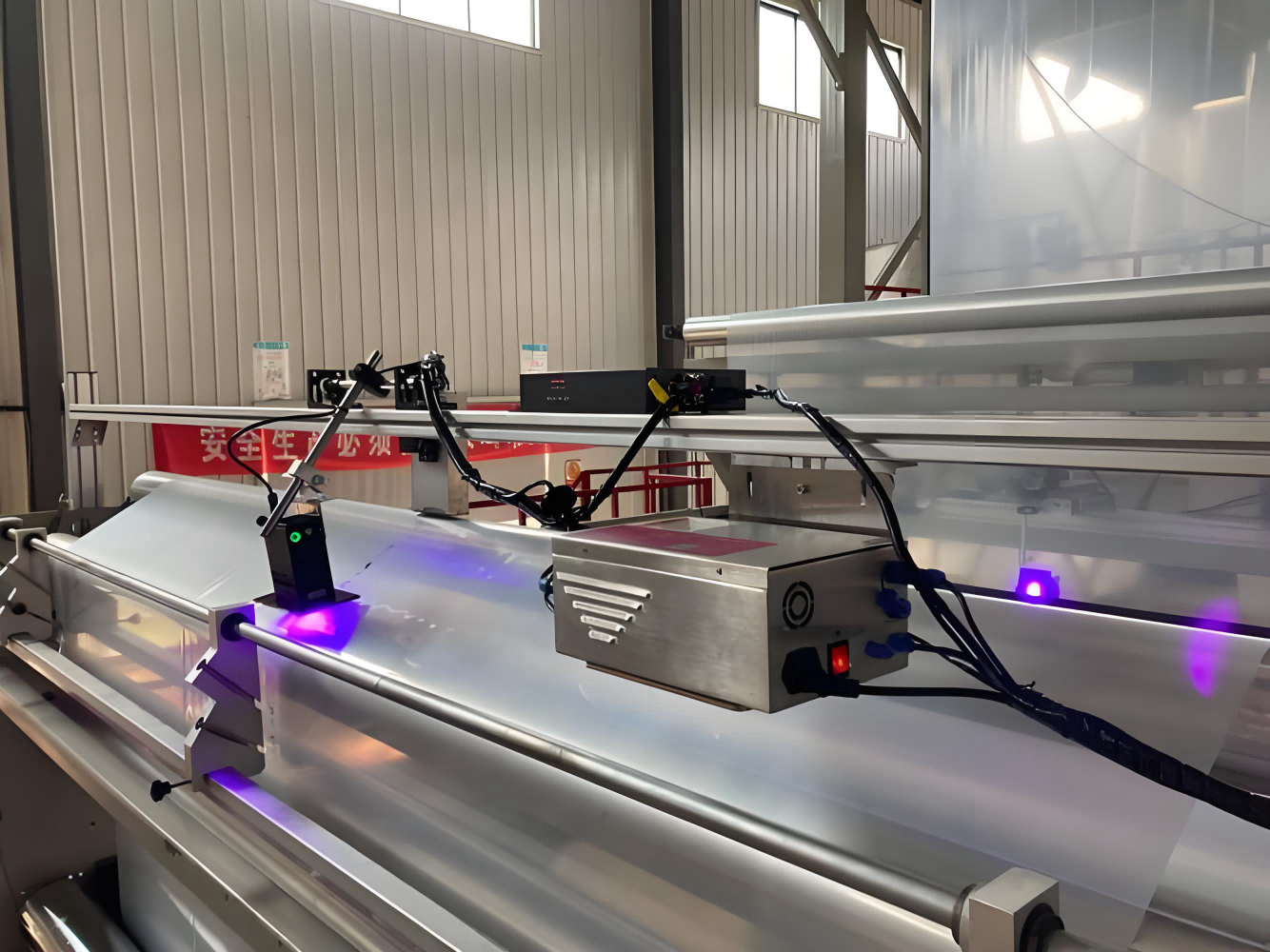
In a world where products move across continents and change hands dozens of times, the ability to track each item individually transforms vague estimates into precise data. Permanent codes—whether etched, printed, or embedded—give every component, case, or pallet a lifelong identity. Once assigned, that identity stays intact through returns, repairs, and resale, creating a continuous thread of information that no batch-level system can replicate. This enduring link between physical goods and their digital records eliminates guesswork when verifying origin, routing instructions, or handling requirements.
Operational blind spots often emerge when labels wear off or systems reset. Permanent codes minimize these gaps by surviving harsh environments and manual handling that would destroy temporary markings. Laser-engraved identifiers on metal parts, for instance, persist through heat treatment and chemical exposure, letting manufacturers and logistics providers scan them reliably. That resilience means inventory counts stay accurate without repetitive recounting, and automated sorting equipment reads tags first time instead of diverting items for manual identification. The result is fewer bottlenecks and faster turnaround in distribution centers.
Beyond individual tracking, permanent codes stitch together disparate databases that historically never conversed. When a code remains unchanged from production to final sale, sensors, quality checks, and customer feedback all attach to the same reference point. Aftersales teams can then pull up a part’s full journey—not just where it was shipped, but which machine processed it, under what conditions, and when maintenance last occurred. This depth of visibility turns supply chains into living networks where decisions are informed by hard evidence rather than assumptions, shrinking the distance between signal and action.
Integrating Marking Solutions into Automated Production Lines
Bringing marking systems into automated lines is less about the hardware and more about the data handshake. A laser, inkjet, or scribe has to talk seamlessly with the line's PLC, MES, and sometimes even the ERP. We often see setups fail not because the mark quality is poor, but because the trigger signal timing is off by milliseconds, or the variable data string from the plant network arrives garbled. The real work sits in the communication protocols: mapping the right Profinet bytes, parsing a serial number from an oddly structured XML feed, and making sure the vision system that verifies the mark sends its pass/fail back before the part moves to the next station.
Physical integration demands a different mindset. It’s not just bolting a marking head onto a frame. You have to think about part presentation jitter—slop in a conveyor pallet that shifts the surface by half a millimeter can turn a crisp 2D code into an unreadable smudge. On high-speed lines, we sometimes forgo traditional fixturing and use dynamic focusing heads that track the part in motion, compensating for wobble with real-time distance sensors. Cooling and debris management are equally crucial; laser fume extraction that chokes mid-shift or ink that dries in a printhead because of a 30-second line stoppage can cascade into hours of unplanned downtime. The best integrations treat the marker as just another robot in the cell, with the same predictability and maintenance windows.
What separates a forgettable integration from one that runs years without drama is how the system handles edge cases. Think of a batch changeover where the new product has a slightly different substrate—maybe a textured surface that scatters the laser differently. A well-designed integration catches this through pre-production recipe checks rather than discovering it during a full run. Error recovery logic matters, too: if the network drops for three seconds, does the line halt cleanly and queue the failed parts for rework, or does it spray unmarked units into the shipping box? These nuances rarely show up in ROI calculations, but they dictate whether the line hits its OEE targets month after month.
Material Compatibility and Ink Formulation Breakthroughs
The leap forward in material compatibility has redefined what's possible with modern printing systems. Engineers have moved beyond the traditional limitations of substrate adhesion by developing hybrid polymer blends that bond reliably to everything from flexible films to rigid composites. This shift wasn't just about tweaking existing chemistries; it involved a ground-up rethinking of how ink interacts at the molecular level, particularly with notoriously difficult surfaces like low-energy plastics and coated metals. The result is a suite of formulations that maintain vibrant color fidelity and edge definition without requiring corona, flame, or primer pretreatments—slashing production steps and opening doors to leaner manufacturing workflows.
On the formulation side, the breakthroughs came from stabilizing pigment dispersions in ways that prevent settling and agglomeration even during extended press runs. By utilizing advanced steric stabilization techniques and tailoring the resin-to-solvent ratios for each color channel, ink makers achieved a balance where jetting reliability doesn't come at the expense of durability. These inks can now withstand harsh post-processing—like high-temperature lamination or chemical sterilization—without delaminating or fading. More importantly, the innovations address a long-standing pain point: cross-contamination between ink sets. New isolation mechanisms within the ink delivery system ensure that swapping between aqueous and UV-curable chemistries on the same production line no longer risks gelation or printhead damage.
Perhaps the most understated advancement is the integration of real-time rheological monitoring directly into the print engine. Instead of relying on fixed viscosity models, the system now adapts droplet formation parameters on the fly based on the actual behavior of the ink inside the printhead. This closed-loop approach compensates for batch-to-batch variations and temperature shifts in the factory, keeping drop placement accurate without operator intervention. For brands pushing into short-run customization, this means the same machine can jump from a soft-touch matte label stock to a high-gloss flexible pouch film without missing a beat—truly an era where the ink and hardware co-evolve to tame material variability.
Reducing Downtime Through Predictive Maintenance Features
Every minute of unexpected downtime chips away at profitability and reputation. Predictive maintenance flips the script by using real-time sensor data and machine learning to spot early warning signs of equipment failure. Instead of waiting for a breakdown, teams can schedule repairs during planned windows, slashing costly interruptions and keeping operations flowing smoothly.
What makes this approach truly effective is its ability to learn the unique heartbeat of each asset. Vibration patterns, temperature shifts, and subtle performance drifts are continuously analyzed against historical baselines. When the system detects an anomaly—like a bearing showing wear weeks before it would usually seize—it alerts technicians with actionable insights, not just raw data. This precision avoids false alarms while catching issues that scheduled inspections often miss.
Beyond preventing failures, the features transform maintenance from a reactive cost center into a strategic advantage. Teams gain the confidence to extend run times on healthy equipment, reduce spare parts inventory, and eliminate unnecessary routine checks. The result is a leaner operation where machinery works harder, budgets stretch further, and the plant floor sets new benchmarks for reliability without adding headcount.
Real-World Applications Across Diverse Industries
From healthcare to manufacturing, advanced technologies are quietly reshaping how industries operate on a daily basis. In medical settings, AI-driven diagnostic tools assist radiologists by flagging anomalies in imaging scans with remarkable speed, allowing earlier interventions. Meanwhile, factories implement predictive maintenance systems that monitor equipment vibrations and temperature changes to forecast breakdowns before they occur, slashing unplanned downtime and repair costs.
The retail sector tells a similar story of transformation. Smart inventory management platforms track shelf levels in real time and automatically trigger restocking orders, ensuring customers rarely face empty aisles. Financial institutions harness natural language processing to sift through mountains of documents for compliance checks, cutting what used to take weeks down to mere hours. These aren't futuristic concepts—they're operational realities that have become woven into the fabric of these organizations.
Agriculture, too, has embraced this wave of practical innovation. Sensors scattered across fields relay soil moisture and nutrient data to centralized dashboards, enabling precise irrigation and fertilization that preserves resources while boosting yields. Transportation networks use real-time analytics to reroute fleets around congestion, minimizing fuel waste and delivery delays. Across the board, the common thread is a shift from reactive problem-solving to proactive, data-informed action that enhances efficiency and reliability in tangible ways.
FAQ
They significantly reduce downtime and keep lines moving at high speeds, while ensuring every product carries a clear, scannable code for immediate tracking.
By printing legible, permanent identifiers like serial numbers and batch codes directly onto items, they make it easy to follow a product's journey from factory to consumer and quickly isolate issues if needed.
Absolutely—today's robust models are engineered to print accurately at high speeds without smudging or missing marks, so throughput never suffers.
It bonds the code directly to the surface, which eliminates the risk of labels peeling off or becoming unreadable over time, and it can be applied quickly without slowing the line.
Food and beverage, pharmaceuticals, and electronics manufacturers depend on them to meet strict regulatory labeling requirements while maintaining rapid output.
When every mark is crisp and correctly placed, there's no need for rework or manual inspections, so lines run smoothly and material waste stays low.
Regular cleaning cycles, using high-quality inks, and prompt replacement of filters prevent clogs and ensure the printer always performs when production ramps up.
Conclusion
Inkjet marking systems have evolved into critical assets for manufacturers aiming to boost production throughput without compromising on traceability. At the heart of this progress are advanced printhead technologies and real-time image processing, enabling crisp, scannable codes at conveyor speeds that once seemed impossible. These core innovations ensure every product carries a permanent, high-contrast identifier—be it a batch number, QR code, or use-by date—that remains legible through harsh supply chain conditions. When these codes are applied consistently, they form the backbone of end-to-end visibility, allowing stakeholders to track items from raw material to retail shelf, swiftly isolate defects, and meet regulatory demands. Equally vital is how seamlessly modern markers integrate into automated lines; with plug-and-play connectivity and adaptive software, they synchronize with pick-and-place robots and enterprise systems, turning labeling into a non-stop, error-free process.
Beyond speed, reliability hinges on material science and proactive system care. Breakthroughs in ink formulations now bond effectively to flexibles, glass, metals, and textured plastics without smudging or fading, expanding the reach of digital marking. This versatility has unlocked applications from beverage cans to medical device packaging, where codes must endure sterilization. Meanwhile, predictive maintenance algorithms monitor nozzle health and fluid viscosity in real time, flagging anomalies before they cause unplanned halts. Such foresight slashes downtime and keeps lines humming, even during peak production. In practice, these systems have become indispensable across automotive, electronics, and food sectors—not merely for printing, but for embedding intelligence into every item. The result is a quieter revolution: fewer stoppages, faster scans, and supply chains that finally talk back.
Contact Us
Contact Person: Jacky
Email: [email protected]
Tel/WhatsApp: 086 15000607053
Website: https://www.danmajet.com