

Raised Floor Vendor Selection Mistakes to Avoid for Data Center Projects
2026-11-23
Ask any data center operator where raised floor problems begin, and they will usually point to a cracked tile or an uneven panel. Ask when those problems actually start, and the answer is far less visible: during vendor selection. A raised floor is only as dependable as the supplier behind its load ratings, manufacturing consistency, lead times, and after-sales support. Yet many project teams focus so heavily on layout and airflow that they overlook telltale vendor risks until a floor is already in production. In this article, we unpack the common selection mistakes that lead to unstable flooring, delayed handovers, and unnecessary retrofits. If you are benchmarking suppliers for an upcoming data center project, Lipin Floor offers practical insight into what a more transparent raised floor partnership should look like.
A Low Bid That Quietly Adds Long-Term Costs
The cheapest bid rarely stays cheap once the ink dries. A contractor who trims the upfront number often compensates through thinner materials, tighter labor hours, and equipment pushed beyond its normal service window. Those choices do not announce themselves at the ribbon-cutting; they surface later as pitted surfaces, failing seals, or control systems that need constant recalibration.
Operating costs are where the real difference hides. Lower-grade components may meet the spec on paper but draw more energy, demand more frequent replacement parts, and require maintenance crews long before a better-built alternative would. Every unplanned repair interrupts normal operations, pulling staff away from their regular duties and creating a drip of small emergency purchases that never appear in the original contract summary.
A more honest comparison looks beyond the award number. It weighs expected service life, energy use, spare parts availability, and the probable cost of early failure over a ten- or fifteen-year window. When those figures are included, the low bid is often not low at all—just deferred spending with added inconvenience.
Airflow Compatibility Decided Before the First Panel Arrives
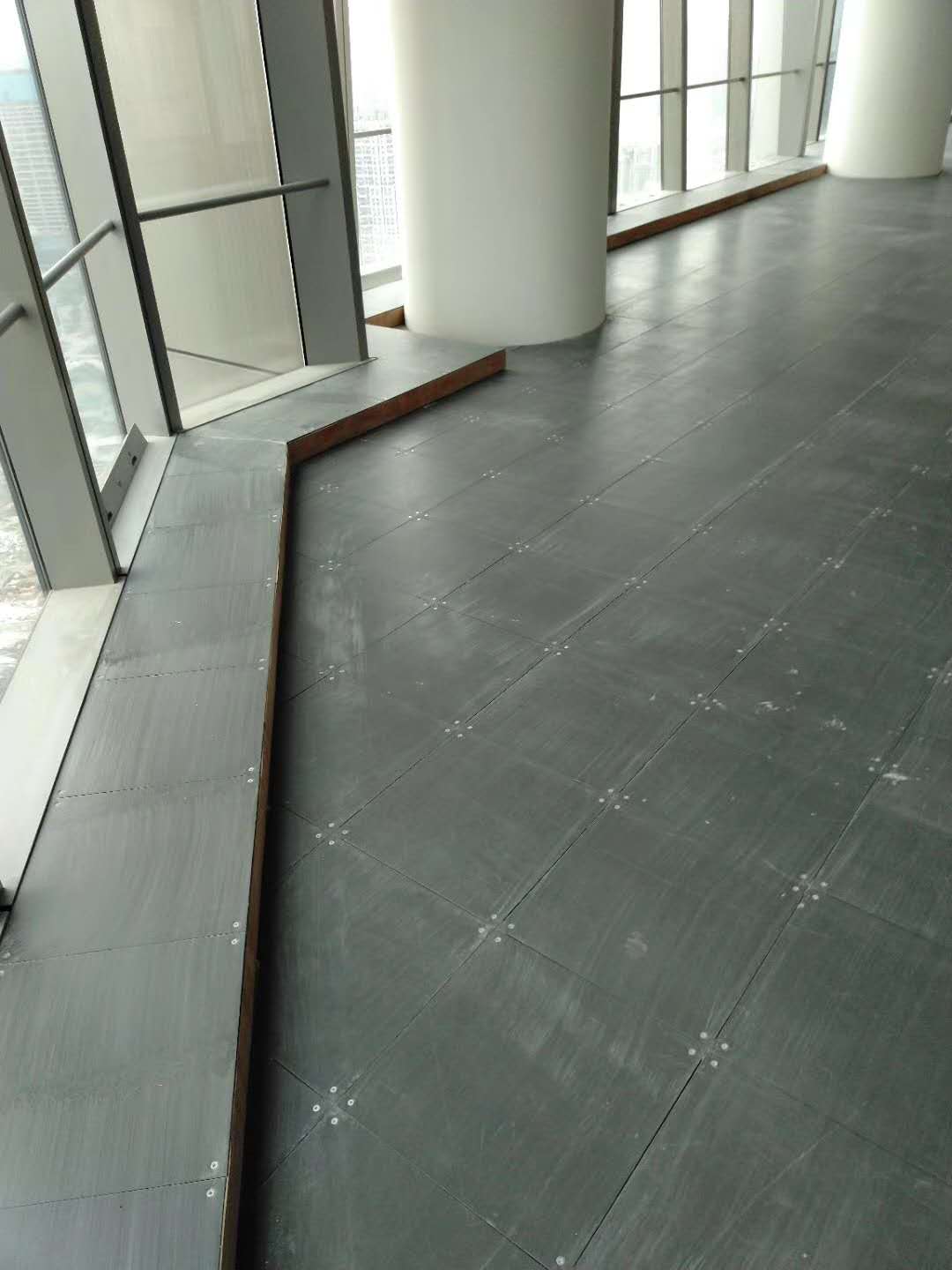
Airflow compatibility rarely gets settled on a loading dock. It is decided much earlier, when someone compares the panel schedule against the mechanical drawings and notices that two rooms with identical dimensions have very different velocities. A panel that handles one space without complaint may choke another simply because the return path, damper setting, or upstream coil arrangement was never accounted for.
The useful work happens before procurement. Engineers who treat airflow as a design input will specify allowable pressure drop, face velocity range, and bypass leakage limits while the panel options are still on paper. That early decision leaves less room for a contractor to swap in a lower-cost alternative that meets the physical size but quietly raises resistance across the system.
By the time the first panel arrives, the important choices should already be boring. Mounting depth, gasket compression, and filter orientation have been fixed, and the panel is simply confirming what the submittals promised. If those choices are still open, the first delivery turns into a field experiment, and the building pays for that experiment in fan energy and service calls.
Vendor Experience That Never Came From a Live Data Hall
People tend to think that learning how data center vendors operate starts with a walk through a live hall, surrounded by cold aisles and blinking network gear. My own education came from less glamorous places: purchase orders that did not match invoices, service tickets that stalled without explanation, and a support engineer who admitted he had never touched the hardware we were running. None of that required a badge tour.
The distance turned out to be useful. Without the noise of a live data hall shaping my impression, I focused on what suppliers actually do when nobody is watching. I noticed who returned calls before eight in the morning, who flagged a compatibility issue before we discovered it, and who made billing errors disappear without being chased. Those details do not show up in a facility walkthrough.
After enough missed deadlines and a few genuinely good recoveries, I stopped treating vendor visits as a measure of credibility. Trust is built in the unglamorous spaces: a clear change request, an honest lead time, a fix that arrives before the complaint. That is the vendor experience I have, and it never came from standing inside a live data hall.
Custom Lead Times That Clash With Commissioning Dates
Custom lead times are rarely a single number. A fabricated skid, a specialty valve, or a control panel may carry a nominal eight-week lead time, but that figure shifts once client-specific documentation, material approvals, and factory witness tests enter the picture. When the real arrival date lands after the commissioning window opens, the field team is left chasing partial systems—pulling cables to panels that are not there, or testing loops with temporary jumpers. The conflict usually starts earlier than anyone admits: the schedule treated the custom item as if it were a stock component.
Once the mismatch is visible, forcing the supplier to compress an already tight fabrication sequence rarely improves quality. A more practical route is to re-sequence commissioning around the missing items. Low-voltage checks, instrument calibration, pipe flushing, and software point-to-point verification can often proceed without the custom equipment physically installed. The key is to update the two-week lookahead daily and name the missing drawings or parts precisely, so the factory understands which items unblock field work rather than receiving vague requests to expedite everything.
There is also room to challenge the fixed commissioning date itself. Some systems can be pre-commissioned with temporary spools or rental equipment, while the permanent custom item is still in transit. In other cases, splitting delivery into priority and secondary packages allows the site to begin mechanical completion on one part of the system without waiting for the last fabricated bracket. Treating custom lead time as a variable to be managed—rather than a fixed constraint to be absorbed—opens up options that the original baseline never considered.
Support That Ends at the Loading Dock
Most vendors treat the loading dock as the finish line. Once the pallets are scanned and the truck pulls away, the relationship quietly goes cold. Questions about installation, handling damage, or missing parts suddenly become someone else’s problem, and that someone is usually you.
That handoff is where the real cost shows up. A better partner stays reachable after the seal is broken, tracks what actually arrived, and owns the awkward problems that surface days or weeks later. Support should not be measured by how smooth the pickup was, but by what happens when the goods are already in your building.
Test Claims Without Independent Documentation
A claim backed only by a test that lacks independent documentation sits in an uncomfortable middle ground. The numbers may look precise, but without a separate record of methodology, calibration, or raw results, there is no way to tell whether the test actually measured what it was supposed to measure.
Reviewers often respond by pulling the claim apart into smaller questions. Who conducted the test? Under what conditions was it run? Was the sample size adequate, and were any outliers removed without explanation? If those details cannot be traced to anything outside the claimant's own notes, the test becomes closer to an assertion than to evidence.
The practical approach is not to reject such claims automatically but to treat them as unverified until a second source appears. A missing document can sometimes be replaced by a contemporaneous log, an invoice for equipment, correspondence with a lab, or a witness who observed the procedure. When none of those exist, the safest position is to record the claim as plausible but unsupported, and to make any decision contingent on later verification.
FAQ
A low bid often hides lightweight panels, fewer stringers, or pedestals that cannot hold repeated rolling loads. In a data center, that turns into cracked tiles, loose pedestal heads, and uneven surfaces under heavy racks. Before accepting a price cut, request the full structural assembly drawing and test data.
It usually appears in small decisions: wrong cutout placement, poor sealing around cable openings, and no plan for hot aisle containment or underfloor obstructions. Office flooring crews may install quickly, but they rarely understand airflow separation and cable bend radius.
Because vendors may supply standard perforated panels that do not match the required open area or pressure drop. That forces last-minute custom work or oversized fan speeds. Confirm cutout sizes, grommet types, and airflow percentages before the order is released.
Some vendors outsource installation to a third party that has never worked in an active data center. The result can be poor leveling, debris left under the floor, and delays while the vendor and installer blame each other. Name the installation crew and include their qualifications in the contract.
Seismic bracing, fire-rated access panels, and floor-to-ceiling height restrictions are common oversights. A vendor that sells the same package everywhere may not know local requirements, leaving the project exposed during inspection. Request a code compliance list tied to the site address.
Ask for a contact at a facility with a similar load class and request a walkthrough if possible. Focus on what changed after handover: tile movement, rust on pedestals, grounding resistance, or finish wear. A vendor that only shares polished photos rarely surfaces that history.
Vague lead times, limited warehouse stock, and frequent changes to ship dates are early warnings. Data center build-outs often compress the floor package into a short window after MEP rough-in. Get a production schedule with buffer days and penalties for late delivery.
Exclusions matter more than duration. Some warranties only cover the panel surface and not pedestal welds, stringers, or floor grounding components. Others require the original installer to remain responsible, which is useless if that installer has left. Read the claim process and parts coverage before signing.
Conclusion
Choosing a raised floor partner for a data center rarely rewards the easiest path. A bid that comes in noticeably lower than others tends to hide its real expense in replacement panels, extra sealing, or repeated adjustments once the hall goes live. That same project can also run into trouble if airflow expectations are set on paper instead of matching the actual plenum depth, cutout patterns, and underfloor obstructions. Teams that have only supplied components for telecom rooms or office builds often miss how a fully loaded data hall behaves under negative pressure, cable congestion, or hot-aisle containment. The difference shows up months later as uneven cooling and remedial work.
Schedules deserve the same scrutiny as price. A manufacturer promising custom panels without a proven production slot can easily push commissioning dates back while other trades stand idle. And when delivery is treated as the final step, the absence of on-site adjustment, spare gaskets, or cutout support leaves the facility team holding the risk. Perhaps the most telling gap appears in documentation. Vendors who quote airflow and load figures from internal summaries rather than independent test reports leave little room for reliable capacity planning. Asking for the underlying lab data, reference sites with live IT loads, and a defined post-delivery walkthrough separates suppliers who understand operations from those who simply sell flooring.
Contact Us
Contact Person: yuki
Email: [email protected]
Tel/WhatsApp: +86 18664390732
Website: https://www.lipinfloor.com/