

Q355B Solar Steel: Your Guide to the Best Manufacturer for Solar Projects
2026-01-30
Welcome to the world of solar energy, where every component matters for optimal performance and sustainability. In this blog, we'll dive deep into Q355B solar steel—a crucial material that can make or break your solar projects. As a leading force in the industry, Energet Solar stands out for its expertise and commitment to quality. Here, we'll explore why choosing the right manufacturer is essential, offering insights that go beyond the basics to help you make informed decisions and achieve long-term success. Get ready to uncover the secrets behind durable, efficient solar installations that truly shine.
Understanding Q355B Steel Properties for Solar Applications
Q355B steel is a low-alloy high-strength structural material tailored for renewable energy projects like solar panel mounting systems. Its composition, which blends carbon, manganese, and silicon, ensures robust performance under harsh environmental conditions—ideal for areas prone to extreme weather. Engineers prefer it for its weldability and corrosion resistance, which help reduce maintenance costs and extend the lifespan of solar installations.
When used in solar applications, Q355B offers superior strength-to-weight ratios, allowing for lighter yet durable frames that can support heavy panels without compromising stability. This property is crucial for rooftop systems where weight constraints are a concern, as it minimizes structural load while maintaining safety standards. Additionally, its flexibility in fabrication enables custom designs to fit various terrains, from flat commercial roofs to sloped residential setups.
Sustainability considerations further elevate Q355B steel in the solar industry; it's often sourced from recycled materials and can be repurposed at end-of-life, aligning with eco-friendly goals. This makes it a frontrunner in modern solar projects, balancing economic efficiency with environmental responsibility.
Key Features of High-Quality Solar Steel Manufacturers
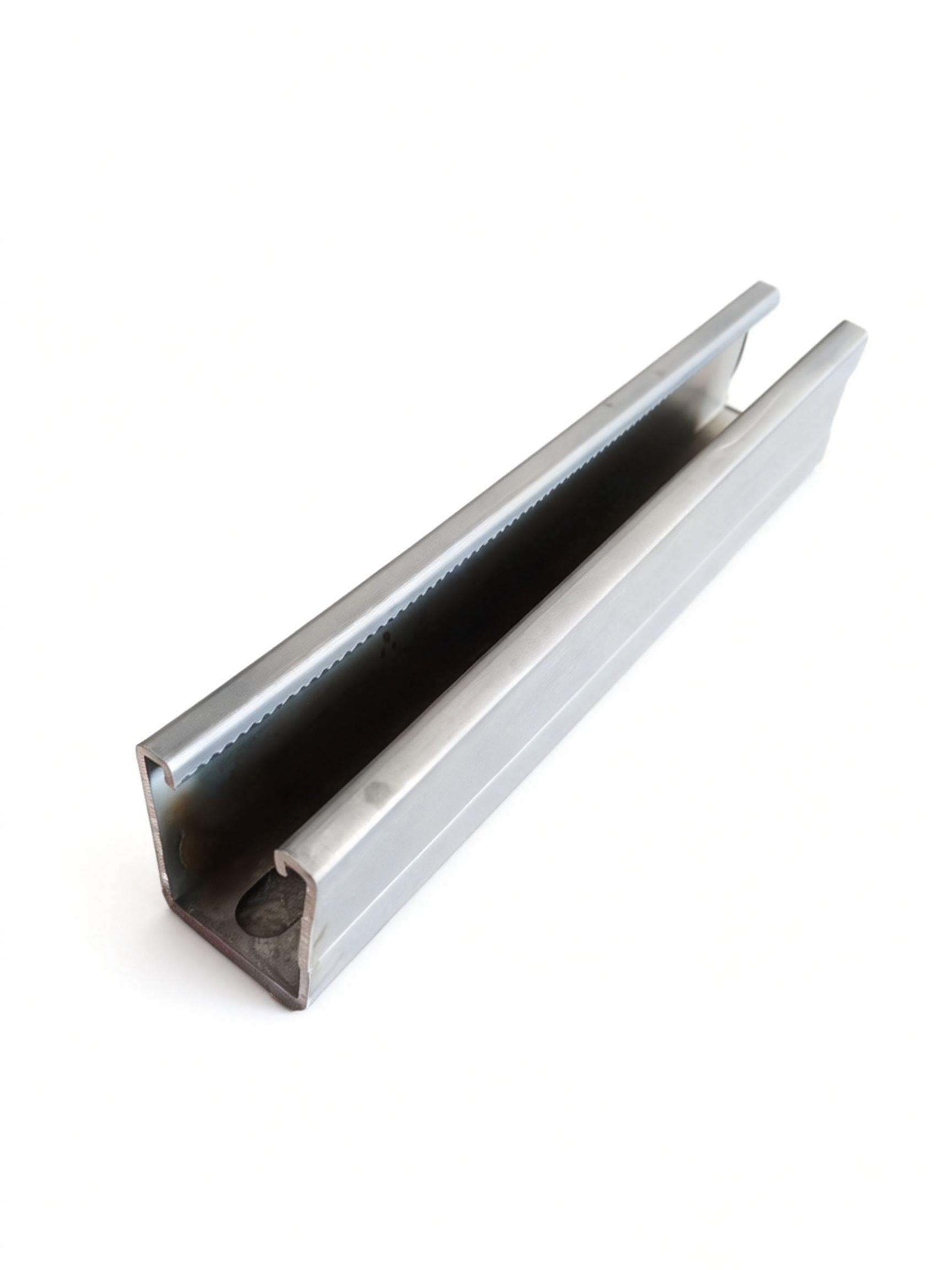
When it comes to solar steel manufacturers, the best ones stand out by prioritizing premium materials and advanced production techniques. They source high-grade steel with excellent corrosion resistance and durability, ensuring structures like mounting systems can withstand harsh weather conditions for decades. By investing in state-of-the-art fabrication equipment, these manufacturers achieve precise tolerances and consistent quality, which is crucial for reliable installations that maximize solar panel efficiency and safety.
Another hallmark is a strong commitment to innovation and customization. Top-tier manufacturers work closely with clients to develop tailored solutions, whether it's for large-scale solar farms or residential rooftops, adapting designs to meet specific site requirements and regulations. They often lead with eco-friendly practices, using recycled steel and energy-efficient processes to minimize environmental impact, setting themselves apart from competitors who neglect such sustainable approaches.
Lastly, reliability in after-sales support and adherence to global standards are key features. Quality manufacturers provide comprehensive warranties, technical assistance, and easy access to spare parts, ensuring long-term satisfaction. By certifying their products with international standards, they build trust and credibility in the market, helping customers navigate complex projects with confidence.
Selecting the Right Q355B Supplier for Your Solar Project
Choosing the ideal Q355B supplier for solar projects isn't just about picking the cheapest option; it's about ensuring reliability and performance under demanding conditions. These steel structures, often used in mounting systems and frameworks, must withstand years of exposure to weather, from intense sun to heavy snow loads. A supplier with a proven track record in the solar industry can provide insights into material certifications, corrosion resistance treatments like galvanizing or coating, and design support tailored to photovoltaic installations.
Beyond technical specs, consider factors like supply chain stability and lead times, which can significantly impact project timelines. Suppliers that offer flexible logistics, such as just-in-time delivery or customized cutting services, help reduce waste and streamline on-site assembly. Look for those who proactively communicate about potential disruptions, perhaps sharing updates on raw material availability or regional logistics challenges, to avoid costly delays common in fast-paced solar deployments.
Ultimately, the best Q355B suppliers build partnerships rather than just transactions. They might share case studies from similar solar farms, demonstrating how their steel performed over time, or offer post-installation support, like troubleshooting guides for field adjustments. By prioritizing suppliers who understand the nuances of solar applications—from wind resistance calculations to compatibility with various panel types—you're not just buying steel; you're investing in the long-term durability and efficiency of your renewable energy project.
Advantages of Using Q355B Steel in Solar Mounting Systems
For solar mounting systems that demand both strength and durability, Q355B steel provides an excellent solution. Its enhanced mechanical properties, including a minimum yield strength of 355 MPa, ensure it can withstand heavy loads from solar panels and harsh environmental conditions like strong winds or snow accumulation. This makes it a reliable choice for large-scale installations where stability is crucial, reducing maintenance needs and ensuring long-term performance.
Beyond just strength, Q355B steel offers good weldability and formability, which allows for flexible design options in solar mounting structures. Fabricators appreciate how easily it can be shaped into various profiles without compromising its integrity, enabling customized solutions for different terrain types or panel configurations. This adaptability helps optimize installation efficiency, potentially lowering overall project costs while maintaining structural safety and compliance with engineering standards.
Another key benefit is its corrosion resistance, thanks to the alloy's composition and potential surface treatments. In outdoor environments exposed to moisture, UV radiation, and temperature fluctuations, Q355B steel resists rust and degradation better than many alternatives, extending the lifespan of solar mounting systems. This durability translates to reduced replacement frequency, offering better long-term value and sustainability for solar energy projects aiming to minimize environmental impact over decades of operation.
Ensuring Reliability and Durability in Solar Steel Production
Achieving reliability and durability in solar steel production involves a multi-faceted approach that begins with rigorous material selection. Manufacturers prioritize high-quality, corrosion-resistant steels, such as galvanized or stainless alloys, which can withstand harsh environmental conditions like humidity, salt spray, and UV exposure. This careful choice ensures the structural components of solar installations maintain integrity over decades, reducing maintenance needs and enhancing long-term performance. By sourcing materials from trusted suppliers and conducting thorough quality control checks, producers minimize risks of defects that could compromise system reliability.
Advanced manufacturing processes play a key role in boosting durability, with techniques like precision welding and protective coatings applied to prevent rust and degradation. Innovations in surface treatments, such as powder coating or anodizing, provide additional layers of defense against weathering, helping solar steel components resist wear and tear from daily use and extreme climates. These methods not only extend the lifespan of the products but also support consistent energy output by preventing structural failures that could disrupt solar panel alignment or mounting systems.
Beyond production, ongoing testing and adherence to industry standards ensure that solar steel meets stringent durability benchmarks. Regular stress tests, including load-bearing assessments and environmental simulations, verify that materials can handle operational demands, from heavy snow loads to high winds. By integrating these practices into the entire supply chain, from design to installation, companies deliver robust solutions that customers can rely on for sustainable energy generation, fostering trust and reducing long-term costs through fewer replacements and repairs.
Innovations in Q355B Steel Manufacturing for Renewable Energy
Recent advancements in Q355B steel production are revolutionizing its application in the renewable energy sector, where its enhanced durability and adaptability are crucial. By refining the alloy composition with precise micro-additions of vanadium and niobium, manufacturers have boosted the steel's yield strength and toughness, making it ideal for withstanding the harsh environmental stresses faced by wind turbine towers and solar panel mounting systems. This tailored approach not only extends the lifespan of renewable energy infrastructure but also reduces maintenance costs, contributing to more sustainable energy solutions.
Another key innovation lies in the adoption of advanced thermal treatments and controlled rolling processes during Q355B steel fabrication. These techniques optimize the microstructure of the steel, improving its resistance to corrosion and fatigue without significantly increasing weight. As a result, Q355B components are becoming lighter yet more robust, facilitating easier transport and installation for large-scale projects like offshore wind farms. This progress is driving efficiency gains across the renewable energy supply chain, from manufacturing to deployment, helping to meet rising global demand for clean power.
Furthermore, the integration of digital monitoring and automated quality control systems in Q355B manufacturing ensures consistent performance standards critical for renewable energy applications. Real-time data analytics enable early detection of defects, minimizing waste and enhancing reliability. Such innovations position Q355B as a versatile material that supports the dynamic growth of renewable energy technologies, enabling faster, more cost-effective construction of resilient infrastructures worldwide.
FAQ
Q355B Solar Steel is a structural steel grade known for its excellent strength and weather resistance. It's used in solar projects to support mounting systems and frameworks, providing durability against outdoor conditions while maintaining structural integrity.
Compared to standard carbon steel or other grades, Q355B offers higher yield strength and better toughness, making it more suitable for load-bearing structures in solar farms. It's often preferred for its balance of performance and cost-effectiveness in harsh environments.
Look for manufacturers with proven experience in solar projects, certifications like ISO standards, and a track record of consistent quality control. Also, consider their supply chain reliability and ability to meet custom specifications for large-scale installations.
Yes, reputable manufacturers often offer customization options such as specific dimensions, coatings, or treatments to enhance corrosion resistance or adapt to unique mounting designs, ensuring compatibility with various solar panel systems.
It's primarily used in solar racking systems, support frames, foundations, and structural components for both ground-mounted and rooftop installations, helping to stabilize panels and optimize sun exposure angles.
Pricing depends on factors like order volume, material specifications, and market conditions. Manufacturers with efficient production processes and strong supplier relationships often offer competitive rates, but it's wise to compare quotes while considering quality and service.
Thanks to its weather-resistant properties, maintenance is minimal. Periodic inspections for signs of corrosion or damage are recommended, especially in coastal or high-humidity areas, and any protective coatings should be reapplied as needed.
Request material test certificates, check for compliance with international standards like ASTM or EN, and if possible, visit the manufacturing facility or review case studies from previous solar projects to assess real-world performance.
Conclusion
Q355B Solar Steel, a vital material for solar projects, necessitates thorough understanding for optimal selection. Its properties, tailored for solar applications, include high strength and corrosion resistance, crucial for enduring environmental stresses in mounting systems. When choosing a manufacturer, quality is paramount; key features like advanced production techniques, stringent quality control, and adherence to sustainability standards ensure reliability and durability. Innovations in Q355B manufacturing, such as alloy enhancements and eco-friendly processes, further support renewable energy goals by improving efficiency and longevity in solar installations.
Selecting the right Q355B supplier involves evaluating factors beyond cost, such as technical support, customizability, and supply chain stability. This holistic approach helps avoid common pitfalls and ensures project success. By integrating insights from steel properties to manufacturing innovations, stakeholders can make informed decisions, enhancing solar projects' performance and sustainability. Ultimately, a well-chosen manufacturer not only provides superior steel but also contributes to the overall resilience and advancement of solar energy infrastructure.
Contact Us
Contact Person: Simon
Email: [email protected]
Tel/WhatsApp: 8613672181100
Website: https://energetsolar.com/