

Professional Face Lifting Device Guide for Sculpted Skin at Home
2026-11-16
Dreaming of sculpted, salon-grade skin without leaving your living room? A professional face lifting device can make that happen—if you choose the right one. Omeina is making waves by bringing studio-level lifting technology into home routines, but not every gadget lives up to the hype. In this guide, we’ll break down what actually works for at-home sculpting, how to avoid common mistakes, and why Omeina is becoming the brand savvy skincare lovers trust for visible lift.
The At-Home Sculpting Shift: Why Tools Are Getting Smarter
Home sculpting used to mean guessing at pressure points and hoping for the best. Now, devices read your skin in real time, adjusting intensity the way a trained therapist would. The shift isn't about adding more gadgets to your shelf—it's about tools that learn your body's rhythms and respond accordingly, making every session feel less like a routine and more like a conversation.
What's driving this change is the quiet death of one-size-fits-all design. Makers realized that a sculpting tool that works for one face shape might overwork another or skip key areas entirely. So the newest tools use micro-sensors and gentle feedback loops, not to replace your hands, but to guide them—correcting angle, reminding you when to pause, and mapping the subtle differences between your left and right side without you having to think about it.
The result is a smarter kind of self-care that doesn't demand expertise. You don't need to memorize a twelve-step facial routine or decode confusing settings. The tool figures out what your skin needs on a given day—whether that's deeper lymphatic drainage or a lighter touch—and adjusts in the moment. It's not about doing more; it's about doing it more intelligently, so your at-home practice feels less like guesswork and more like a tailored ritual.
Finding Your Match: Face Lifting Tech Beyond the Buzzwords
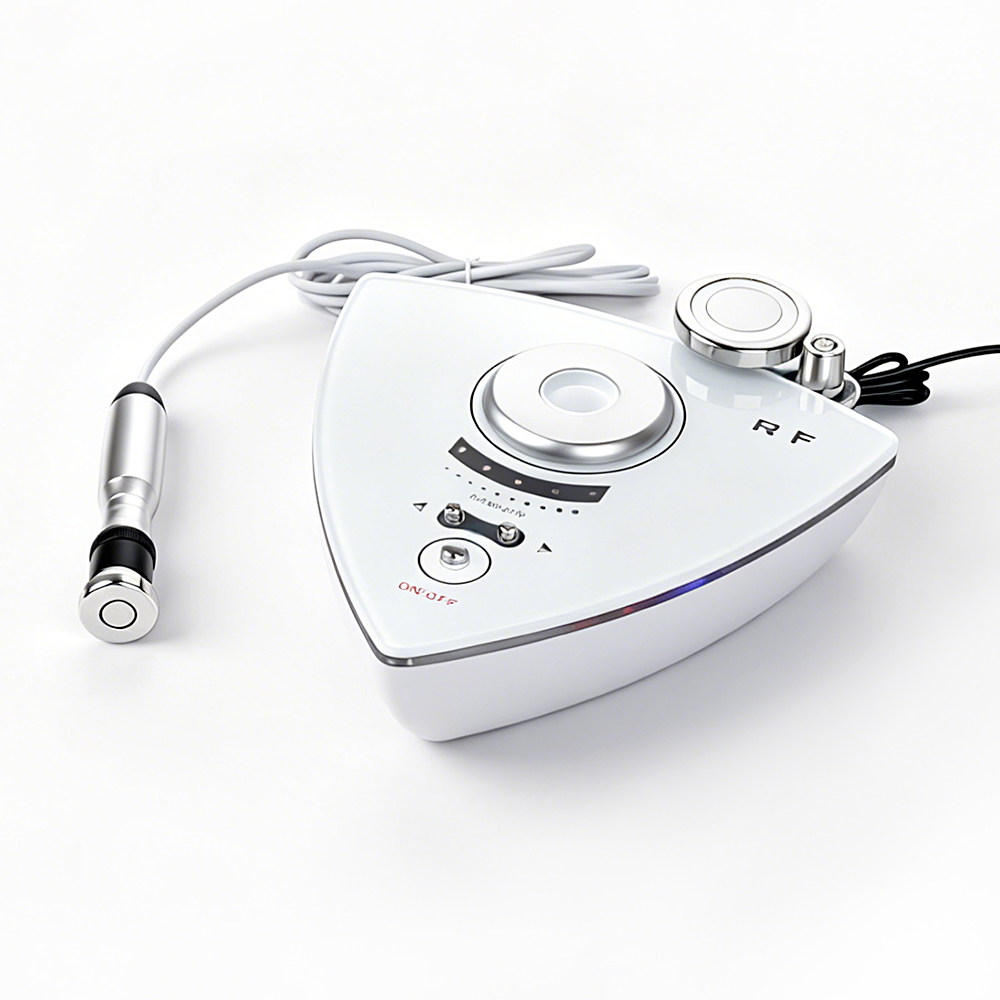
Most people start by asking which machine is best, but the honest answer begins with your own tissue. A 35-year-old with early jowling and thin skin won't benefit from the same setting—or even the same modality—as someone in their 50s with thicker, sebaceous skin and deeper folds. Ultrasound-based lifting tends to work at precise depths, usually around 4.5 mm for the SMAS layer, which suits defined laxity but can feel too intense on delicate areas. Radiofrequency microneedling, on the other hand, combines heat with micro-injury to remodel from the dermis upward, which often works better for crepey texture and acne scarring than for dramatic sagging.
Downtime is another filter that gets glossed over. If you can't hide for a week, fractional laser resurfacing—even the so-called non-ablative versions—may leave you red and rough longer than expected. Thread lifts promise immediate lift but depend heavily on the practitioner's placement and your own collagen response; they can feel lumpy if the tissue is too thin or too mobile. The better approach is to match your recovery tolerance and skin thickness to the technology's mechanism, not its marketing name. Two people can walk into the same clinic with similar photos and need opposite plans.
A useful pre-consultation habit is to ask for before-and-after photos of patients with your specific issue and similar bone structure, not just age. Also ask what the device cannot do—every honest provider can list limitations quickly. If the answer is 'everything works for everyone,' keep looking. The best facelift alternative is rarely a single device; it's a staged combination chosen for how your face ages when you smile, frown, and rest.
The Underrated Power of Technique Over Price
A lower estimate almost always feels like a small victory until the work starts to settle. What separates a result that holds up from one that quietly comes apart is rarely the rate on the invoice. It is the discipline behind each step: how a joint is measured, how a seam is finished, how a fix is tested before it is called done. Price can be cut in a thousand invisible places, and most of those cuts only show themselves after the job has been paid for and everyone has moved on.
Technique has a less obvious advantage, too. It lets a skilled person make ordinary materials behave better, waste less, and catch weaknesses before they become expensive failures. That kind of judgment doesn't appear in a quote, but it changes what the quote actually buys. Comparing numbers is easy; reading the work behind them takes more attention, and that is usually where the long-term value sits.
Building a Weekly Cadence That Actually Fits Your Schedule
Most weekly planning advice starts with a blank calendar, which is why it rarely sticks. A cadence isn't a set of rigid time slots you defend at all costs; it's a rhythm that bends around the parts of your week you can't move. Before adding anything new, write down the fixed anchors—commutes, meals, childcare, meetings—and look at the leftover spaces. Those irregular gaps are where a realistic weekly pattern lives, not in someone else's ideal morning routine.
Next, match the task to the energy, not just the clock. If your focus is sharpest before anyone else wakes, protect that window for one meaningful block instead of scattering it across five days. If afternoons drag, use them for low-stakes follow-ups or admin work that doesn't require fresh thinking. The goal is consistency in placement, not perfection in duration. A Tuesday and Thursday cadence that actually happens beats a daily two-hour block you abandon by Wednesday.
Finally, review the pattern every week, but keep the review short. Ask one question: where did the plan fight reality? Adjust the pockets by fifteen minutes, swap a task, or drop a block altogether. Over time, the cadence starts to fit so naturally that you'll notice it only when it's missing.
Pairing Devices with Targeted Topicals for a Boost
Combining your favorite at-home device with a targeted serum or cream can dramatically change how your skin responds to treatment. Instead of relying on a single approach, think of the device as the delivery system that preps the skin, while the topical delivers active ingredients exactly where they’re needed. For example, using a microcurrent tool after applying a conductive gel with peptides can help the peptides penetrate more effectively, leaving skin looking firmer and more lifted within weeks.
The trick is matching the right topical to the right device. LED light therapy works best with lightweight, water-based serums containing antioxidants like vitamin C or niacinamide, since heavier oils can block light penetration. If you’re using a dermaplaning or exfoliating tool, follow it immediately with a hyaluronic acid serum or a ceramide-rich moisturizer to calm the skin and lock in hydration. This pairing approach turns a basic routine into a strategic one, addressing multiple skin concerns at once without overloading the skin.
Don’t be afraid to experiment, but pay attention to how your skin reacts. Start by applying a thin layer of your chosen product before using the device, or use it right after—some tools are designed for post-topical application, while others require a clean, dry surface. Over time, you’ll notice that certain combinations give you better glow, fewer breakouts, or smoother texture. The key is consistency and using targeted actives that complement the technology rather than fight against it.
Listening to Your Skin: When to Push Harder or Back Off
Many people assume a stronger product equals faster progress, but skin rarely follows a linear script. Pay attention to the subtle feedback: if your face feels tight twenty minutes after cleansing, that's not a sign of cleanliness—it's a sign your barrier is asking for a break. Pushing through visible flaking or persistent redness might feel disciplined, but it often sets you back further than a few rest days would.
On the other side, dullness and a rough, congested texture can mean your current routine has stopped challenging the skin. If you've been using the same low-strength exfoliant for months with no change in clogged pores or uneven tone, your skin might be ready for a step up—whether that's a higher percentage or shorter contact time. The key is to distinguish between initial adjustment (mild, temporary tingling) and actual distress (stinging, swelling, or weeping).
A practical approach is to track your skin's baseline over a week before making changes. If you wake up with less visible redness and your usual moisturizer no longer stings, that's a signal you can slowly increase frequency or potency. If you notice new breakouts in areas you don't usually get them, or your skin looks shiny but feels dry, back off immediately. Your skin's language isn't verbal, but it's consistent—you just have to listen before deciding to push harder or pull back.
FAQ
Most home devices rely on microcurrent, radiofrequency, or LED light to stimulate the deeper layers of your skin. Microcurrent sends low-level electrical signals to facial muscles, which can temporarily tighten and contour. Radiofrequency heats tissue gently to encourage collagen remodeling over weeks. The real trick is picking one technology and sticking with it long enough for your skin to respond.
Look for something you'll actually use twice a week without dreading it. A bulky machine with ten settings often gets abandoned. Prioritize comfort in your hand, a short session time around five to ten minutes, and clear instructions. If you have redness-prone skin, avoid anything that feels too hot on the lowest level. Reviews that mention ease of use over dramatic claims are usually more honest.
Not entirely, but it can extend the results and save you trips. Professional treatments use stronger energy and are performed by trained hands, so they lift more dramatically in one go. A home device works at a gentler level, so you'll need consistent sessions to see a subtle, natural-looking firmness. Think of it as maintenance between office visits rather than a full replacement.
It depends on the technology. Microcurrent tools often tolerate daily use for a quick pick-me-up, while radiofrequency devices usually recommend one to three sessions per week to let the skin recover. Start with the lowest frequency suggested in the manual and watch how your skin reacts. If you wake up with lingering redness or tenderness, dial it back a day.
Yes, and that's not talked about enough. If you have a pacemaker, epilepsy, active breakouts in the treatment area, or are pregnant, check with your doctor before using any electrical or heat-based device. Metal implants or dental work near the jaw can also interfere with microcurrent. When in doubt, a quick call to a dermatologist beats experimenting on your face.
Most people quit because they expect a facelift after two uses. Another big mistake is using too much pressure or cranking up the intensity, which just irritates the skin. Skipping the conductive gel or using a serum that dries too fast also cuts effectiveness. The quiet habit that actually works is doing a short session while watching TV so it becomes automatic.
For microcurrent and some radiofrequency tools, yes. The gel acts as a conductor and lets the energy travel into your skin without stinging. Any water-based, alcohol-free gel can work in a pinch, but avoid oil-based products because they block the current. Keep a small spray bottle of water nearby; if the gel starts to dry and tug, mist your face lightly to keep things gliding.
Conclusion
The at-home sculpting space has quietly moved past gimmicks. Today’s devices pack smarter energy delivery—microcurrent, radiofrequency, red light—into handheld forms, but the real shift isn’t just tech specs; it’s that a consistent home ritual can visibly redefine contours without a clinic visit. Instead of chasing every buzzword, it pays to match the tool to your skin’s actual tolerance and your own commitment level. Some people respond brilliantly to gentle microcurrent daily, while others get better lift from a weekly radiofrequency session with proper conductive gel.
Technique often matters more than price. A mid-range device used with slow, upward strokes and enough slip will outperform a luxury gadget rushed through in two minutes. A realistic schedule—say, three focused sessions a week—beats an ambitious daily plan you abandon by day four. Pairing your device with a targeted serum (peptides, hyaluronic acid, or a caffeine-based sculpting concentrate) can amplify the immediate tightening effect, but skip actives like strong retinoids right before heat-based tools. And pay attention to your skin: a day of redness or sensitivity means back off, while a calm, hydrated face can handle slightly longer passes. That feedback loop, not the device’s marketing, is what builds a genuinely sculpted look over time.
Contact Us
Contact Person: Tina Liu
Email: [email protected]
Tel/WhatsApp: 8618681405932
Website: https://www.omeinabeauty.com/