

Power Transformer Innovations in China: Driving Energy Efficiency Forward
2025-12-28
In the heart of China's rapidly evolving energy landscape, groundbreaking advancements in power transformer technology are quietly reshaping how electricity flows across vast distances with unprecedented efficiency. As global demand for sustainable energy solutions intensifies, these innovations are not just improving grid reliability—they're setting new standards for environmental stewardship and economic viability. At the forefront of this transformation stands Lugao, a pioneer harnessing cutting-edge research and practical engineering to push the boundaries of what's possible. In this blog, we'll explore the trailblazing developments in Chinese power transformers, uncover how they're driving energy efficiency forward, and reveal why Lugao's contributions are sparking curiosity among industry leaders worldwide. Get ready to dive into a world where every kilowatt saved is a step toward a greener future.
Revolutionary Designs in Chinese Power Transformers
In recent years, China has made significant strides in power transformer technology, moving beyond traditional designs to incorporate innovative features that enhance efficiency and reliability. One key breakthrough is the widespread adoption of amorphous alloy cores, which dramatically reduce energy losses compared to conventional silicon steel cores. This leap forward not only cuts operational costs but also aligns with global sustainability goals, positioning Chinese manufacturers as leaders in eco-friendly energy solutions. Additionally, smart monitoring systems are now integrated into transformers, enabling real-time data collection on temperature, load, and performance, which helps prevent failures and extends equipment lifespan.
Another revolutionary aspect lies in the design of ultra-high-voltage (UHV) transformers, which can transmit electricity over vast distances with minimal losses. Chinese engineers have pioneered compact and modular designs for these transformers, making them easier to install and maintain in diverse environments, from dense urban areas to remote rural regions. This flexibility has been crucial for China's ambitious grid expansion projects, supporting the integration of renewable energy sources like wind and solar. Moreover, advancements in insulation materials, such as biodegradable oils and solid-state components, reduce environmental impact and improve safety, setting new standards in the industry.
Beyond technical specs, Chinese designs emphasize user-centric features that distinguish them in the global market. For instance, some transformers now include noise-reduction technologies to minimize neighborhood disturbances, while others boast enhanced durability against extreme weather conditions, from scorching heat to icy winters. These innovations stem from a collaborative approach, involving partnerships between universities, research institutes, and manufacturers to foster continuous improvement. As a result, China's power transformers are not just functional but also adaptable, catering to evolving energy demands worldwide and showcasing a blend of ingenuity and practicality that reshapes the sector's landscape.
Advancements in Transformer Energy Efficiency
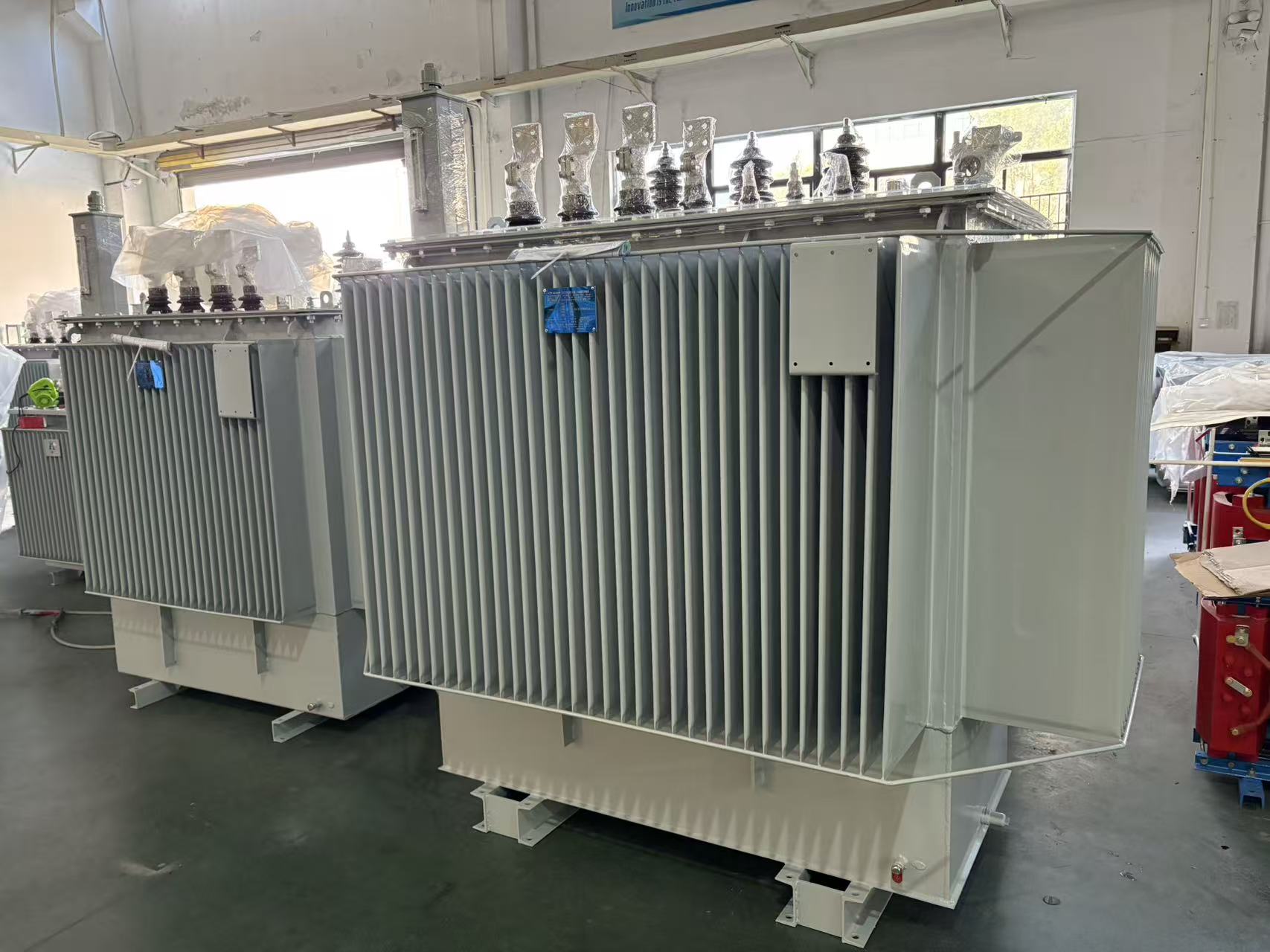
Recent breakthroughs in transformer energy efficiency are reshaping the landscape of power systems, driven by innovations in materials and cooling technologies. Researchers have developed advanced amorphous metal cores that significantly reduce core losses compared to traditional silicon steel, while novel insulation materials like high-temperature superconductors are enabling more compact designs with lower energy dissipation. These improvements not only cut operational costs but also align with global sustainability goals by minimizing electrical waste and heat generation, making transformers more reliable and environmentally friendly in long-term grid applications.
Beyond hardware enhancements, smart monitoring and control systems are playing a pivotal role in boosting energy efficiency. Modern transformers now integrate IoT sensors and AI algorithms to dynamically adjust loads and optimize performance in real-time, preventing overloading and reducing standby losses. Field studies show that such intelligent systems can achieve energy savings of up to 15% in industrial settings, by adapting to fluctuating demand patterns and improving overall power quality without compromising safety or durability.
The push for greener energy solutions has also spurred advancements in transformer design and manufacturing processes. Techniques such as 3D printing allow for custom, lightweight structures that minimize material use and energy consumption during production. Additionally, the adoption of biodegradable coolants and recyclable components is reducing the environmental footprint across the transformer lifecycle, from assembly to disposal. These holistic approaches ensure that efficiency gains extend beyond mere operational metrics to encompass full-system sustainability, setting new standards for the next generation of electrical infrastructure.
Key Technologies Shaping China's Transformer Industry
In recent years, China's transformer industry has been propelled forward by significant advancements in core technologies, transforming how power systems operate. One key area is the development of high-efficiency amorphous alloy cores, which reduce energy losses by up to 75% compared to traditional silicon steel cores. This innovation not only cuts operational costs but also supports global sustainability goals, as Chinese manufacturers ramp up production to meet both domestic and international demand. By integrating smart manufacturing processes, companies are optimizing material usage and enhancing reliability, making these transformers a cornerstone in modernizing the grid infrastructure.
Another pivotal technology is the integration of digital monitoring and IoT systems into transformers, enabling real-time data collection and predictive maintenance. Chinese firms are leading the charge with sensors that track temperature, load, and insulation conditions, allowing for early fault detection and reduced downtime. This shift toward digitalization enhances safety and efficiency, particularly in high-voltage applications where precision is critical. As a result, transformers are no longer just passive components but active elements in smart grids, fostering a more resilient and adaptive energy network across urban and rural areas.
Moreover, advancements in eco-friendly insulating materials and cooling technologies are reshaping the industry's environmental footprint. Chinese researchers are pioneering the use of biodegradable oils and solid-state insulation to replace hazardous substances, aligning with stricter global regulations. Coupled with advanced cooling methods like liquid immersion and forced-air systems, these innovations extend transformer lifespans and improve performance in extreme climates. By focusing on green technologies, China is not only boosting its competitive edge but also contributing to a cleaner energy future, making its transformer industry a model of innovation and sustainability.
Sustainable Practices in Transformer Manufacturing
In the transformer manufacturing sector, the adoption of sustainable practices is transforming production lines into more eco-friendly operations. Companies are increasingly integrating renewable energy sources, such as solar panels and wind turbines, into their facilities to power manufacturing processes, thereby slashing carbon footprints. This shift not only reduces operational costs over time but also aligns with global climate goals, making it a strategic move for forward-thinking businesses in the industry.
Beyond energy use, the materials selection phase plays a critical role in sustainability. Manufacturers are now opting for recycled and biodegradable components, like copper from reclaimed sources and eco-friendly insulating oils, to minimize waste and environmental impact. By prioritizing circular economy principles, these firms ensure that products have longer lifespans and can be more easily disassembled and recycled at end-of-life, fostering a closed-loop system that benefits both the planet and economic efficiency.
Additionally, water conservation and waste management are becoming integral to sustainable transformer production. Innovative cooling systems that reuse water and advanced filtration techniques help reduce water consumption significantly, while stringent recycling programs for scrap metals and packaging materials prevent landfill accumulation. These practices not only enhance regulatory compliance but also build a reputation for environmental stewardship, attracting eco-conscious clients and setting new industry standards.
Global Impact of Chinese Transformer Innovations
The ascent of Chinese transformer technologies marks a paradigm shift in global energy and infrastructure landscapes, resonating far beyond national borders. Companies like State Grid Corporation of China have pioneered ultra-high-voltage direct current transmission systems, enabling efficient power transfer over vast distances and catalyzing renewable energy integration worldwide. This innovation has not only bolstered China's domestic electrification but also set new benchmarks for grid stability and sustainability, influencing projects from Brazil to Africa.
Beyond energy, Chinese breakthroughs in transformer design have permeated sectors like transportation and telecommunications. The development of compact, high-capacity transformers supports the rapid rollout of 5G networks and electric vehicle charging infrastructure, fostering smarter cities and cleaner mobility globally. By tailoring solutions for diverse climates and terrains—from arid deserts to humid tropics—these adaptations demonstrate an agility that addresses unique regional challenges, setting Chinese offerings apart in competitive markets.
This impact is further amplified through international collaborations and standards leadership. Chinese firms actively participate in global forums, sharing insights on transformer efficiency and safety protocols. Their emphasis on cost-effective yet robust technologies democratizes access to reliable electricity, empowering emerging economies while stimulating cross-border innovation. As a result, Chinese transformer advancements are not merely technical feats but catalysts for inclusive, sustainable progress across continents.
Future Trends in Power Transformer Technology
As power grids evolve to accommodate renewable energy sources and smart technologies, power transformers are undergoing significant advancements. Future trends are shifting towards enhanced efficiency and sustainability, with a focus on reducing energy losses through innovative materials like amorphous metal cores and high-temperature superconductors. These developments aim to support the growing demand for electricity while minimizing environmental impact, marking a move away from traditional designs towards more adaptable and eco-friendly solutions.
Another key trend is the integration of digitalization and IoT capabilities into transformer systems. By embedding sensors and communication modules, transformers can enable real-time monitoring and predictive maintenance, allowing operators to detect issues before they escalate into failures. This smart transformer concept enhances grid reliability and reduces downtime, offering a more resilient infrastructure that responds dynamically to changing load conditions and operational challenges.
Looking ahead, modular and compact transformer designs are gaining traction to address space constraints in urban areas and facilitate easier upgrades. These trends reflect a broader industry shift towards flexibility and innovation, ensuring that power transformers remain at the forefront of modern energy networks. By embracing these changes, utilities can improve performance and cost-effectiveness while fostering a more interconnected and intelligent grid ecosystem.
FAQ
The article highlights advancements like high-efficiency cooling systems, smart monitoring technologies, and eco-friendly insulation materials.
They reduce energy losses during transmission, improve load management, and enable real-time adjustments to optimize power flow.
Examples include IoT sensors for predictive maintenance, AI-driven fault detection, and remote control capabilities for grid integration.
Challenges involve high upfront costs, regulatory hurdles, and the need for skilled technicians to manage complex systems.
China focuses on rapid scaling and cost-effective solutions, often leading in mass production while catching up in high-end R&D.
Yes, they lower greenhouse gas emissions by cutting energy waste and often use recyclable or less polluting materials.
Policies provide funding incentives, set efficiency targets, and promote research collaborations between state-owned enterprises and private firms.
They could lower prices for efficient transformers, increase competition, and spur adoption of similar tech worldwide.
Conclusion
China is revolutionizing the power transformer industry with groundbreaking innovations that prioritize energy efficiency and sustainability. Key advancements include revolutionary designs that enhance performance and reduce losses, alongside cutting-edge technologies shaping the manufacturing process. Sustainable practices, such as eco-friendly materials and energy-efficient production methods, are increasingly integrated, driving the industry toward greener solutions. These developments not only bolster domestic energy infrastructure but also position China as a global leader in transformer technology.
The global impact of Chinese transformer innovations is significant, influencing standards and practices worldwide. Future trends point toward smarter, more adaptive transformers that leverage digital technologies like IoT and AI for optimized operation. By continuously pushing the envelope in energy efficiency, China is setting new benchmarks and contributing to a more sustainable global energy landscape, ensuring long-term benefits for both the environment and economic growth.
Contact Us
Contact Person: Doreen
Email: [email protected]
Tel/WhatsApp: 8618057712366
Website: https://www.liugaopower.com/