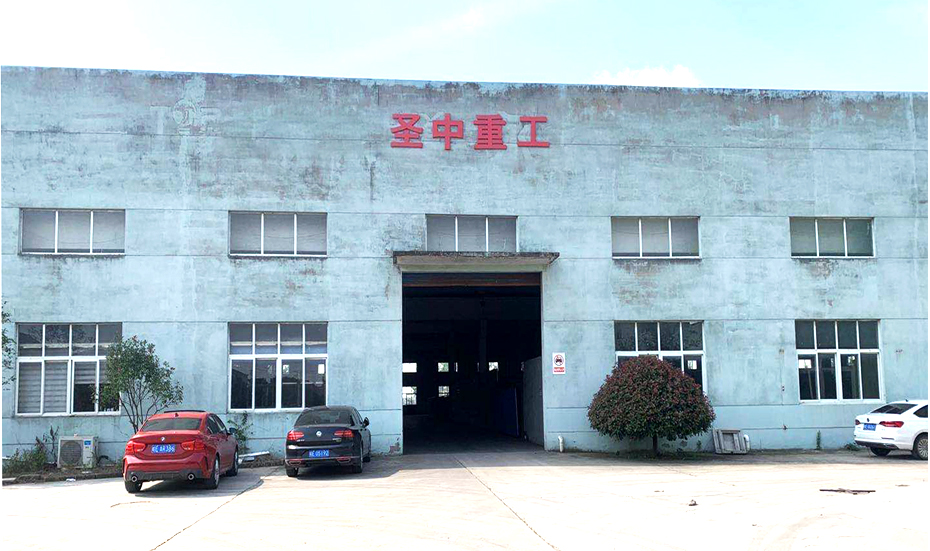

Plastic Shredder Solutions: Innovative Ways to Optimize Your Known Plastic Shredding Process
2026-04-22
In today's fast-paced world, optimizing plastic shredding processes isn't just a technical challenge—it's a key to unlocking greater efficiency and sustainability. As industries seek innovative solutions to handle growing plastic waste, the need for advanced shredding technologies becomes ever more critical. Enter Shengzhong Shredder, at the forefront of revolutionizing how we approach plastic shredding. This blog delves into cutting-edge strategies to enhance your known shredding methods, offering insights that blend practical techniques with forward-thinking ideas. Whether you're looking to boost productivity, reduce operational costs, or explore eco-friendly options, these tips will guide you toward a smarter, more effective shredding setup. Get ready to transform your process and stay ahead in the competitive landscape of waste management.
Enhancing Efficiency in Plastic Granulation with Advanced Shredder Technologies
In the dynamic world of plastic recycling, advanced shredder technologies are revolutionizing efficiency in granulation processes. By integrating features like dual-shaft designs and smart motor controls, modern shredders can handle a wider range of materials—from rigid plastics to flexible films—with minimal downtime. This adaptability means less sorting is needed upfront, speeding up production lines and reducing labor costs, ultimately boosting throughput by up to 30% in many industrial settings.
A standout innovation is the use of AI-driven monitoring systems that continuously optimize shredder performance. These systems analyze real-time data on blade wear, torque, and material flow, automatically adjusting settings to maintain peak efficiency. For instance, if a load of mixed plastics enters the machine, the system can fine-tune the shredding speed and force to prevent jams and ensure uniform particle size, which is crucial for high-quality granulation. This proactive approach not only cuts maintenance intervals but also extends equipment lifespan, translating to significant long-term savings.
Beyond just cutting plastic into smaller pieces, advanced shredders now incorporate energy recovery mechanisms, such as regenerative braking, that convert excess kinetic energy back into power for the system. This green tech twist not only lowers operational costs by reducing electricity consumption but also aligns with sustainability goals, making the entire granulation process more eco-friendly. As a result, facilities are seeing faster ROI while contributing to a circular economy.
Customized Shredder Setups for Diverse Polymer Applications
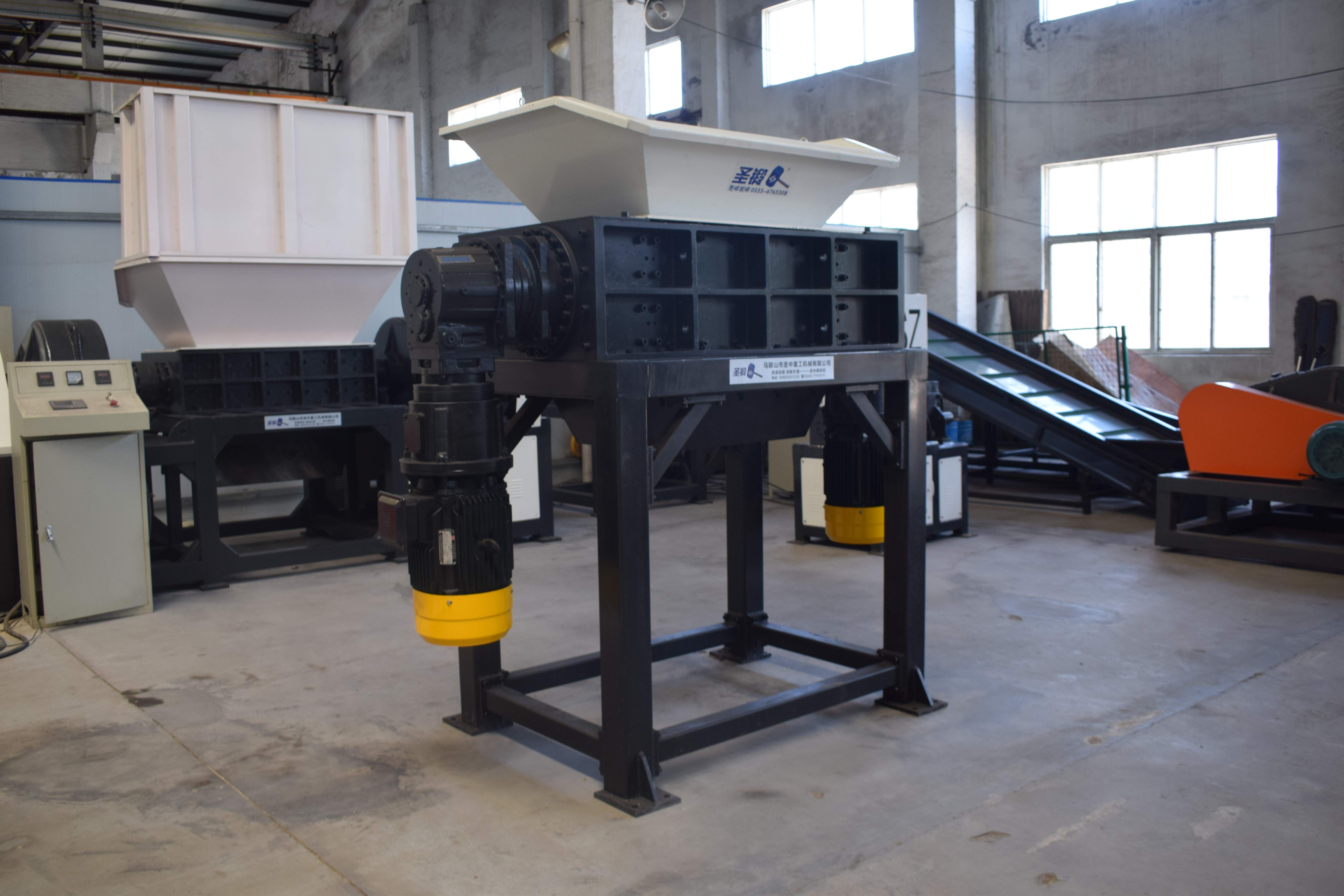
When tailoring shredding systems for polymer processing, it's not just about picking a machine off the shelf; it all hinges on the specific characteristics of the material you're handling. For instance, with flexible films like LDPE, a rotary shear shredder with sharp, fine blades excels at preventing tangling and achieving uniform particle sizes. In contrast, for rigid plastics such as PVC or ABS, a dual-shaft shredder with stronger, more robust teeth becomes essential to manage higher impact forces and maintain efficiency without jamming. This initial customization ensures that each polymer's unique mechanical properties—from brittleness to elasticity—are effectively addressed right from the start.
Beyond just shredding, optimizing the entire setup involves integrating downstream components that match the material's flow and consistency. For example, when processing recycled PET flakes, adding a fine mesh screen and air classification system can significantly enhance purity by separating contaminants like paper or aluminum. In applications dealing with thermoset polymers, which can't be remelted, a combination of shredding and granulation stages helps produce finer powders suitable for composite materials or fillers. These tailored configurations not only boost throughput but also improve the quality of the final product, making the recycling or manufacturing process more sustainable and cost-effective.
To truly stand out, consider innovative adaptations like adjustable speed controls and real-time monitoring systems, which allow operators to tweak settings on-the-fly based on feed material variations. For handling mixed polymer streams, custom-designed blade geometries and specialized discharge mechanisms can reduce wear and tear, extending equipment life while maintaining consistent output. By focusing on these nuanced adjustments, companies can turn a standard shredding operation into a highly specialized solution that delivers superior results across diverse polymer applications, from packaging to automotive parts.
Integrating Smart Systems for Real-Time Shredding Process Monitoring
Imagine a world where shredding operations no longer rely on guesswork or delayed reports, but instead harness the power of smart systems to monitor every detail in real-time. By integrating sensors, IoT devices, and advanced analytics, these systems can track variables like material flow, machine performance, and energy usage instantaneously. This approach not only boosts efficiency by automating data collection but also provides operators with live dashboards that highlight potential issues before they escalate, transforming reactive maintenance into proactive management.
What sets this integration apart is its ability to adapt to diverse shredding environments, from industrial facilities to recycling plants. Unlike generic monitoring tools, smart systems can be tailored with custom algorithms that learn and predict based on specific operational patterns, such as detecting wear on blades or optimizing feed rates for different materials. This personalization ensures that insights are both relevant and actionable, reducing downtime and enhancing overall throughput without the need for constant manual oversight.
Furthermore, real-time monitoring through smart systems fosters a culture of continuous improvement by offering transparent, data-driven feedback loops. Teams can collaborate on insights, sharing live updates on process health and environmental impact, which encourages innovation and compliance with sustainability goals. By embedding intelligence directly into the shredding process, organizations not only safeguard their equipment but also unlock new opportunities for cost savings and competitive advantage in a dynamic market.
Innovative Maintenance Strategies to Prolong Equipment Lifespan
Forward-thinking organizations are increasingly moving beyond traditional maintenance routines to implement innovative strategies that actively extend equipment lifespan. Instead of relying solely on reactive fixes, these approaches focus on predictive and prescriptive techniques. For instance, integrating Internet of Things (IoT) sensors with real-time data analytics allows teams to monitor machine health continuously, detecting subtle anomalies before they escalate into failures. This not only reduces downtime but also prevents the cumulative wear and tear that shortens equipment life, turning maintenance from a cost center into a value driver.
Another game-changing strategy involves adopting condition-based maintenance (CBM) over rigid schedules. By tailoring interventions based on actual equipment performance and environmental factors, organizations avoid unnecessary overhauls that can inadvertently degrade components. For example, in manufacturing settings, CBM might adjust lubrication cycles based on sensor readings of temperature and vibration, ensuring optimal operation without overtaxing machinery. This personalized approach not only conserves resources but also fosters a deeper understanding of how equipment behaves under different conditions, leading to longer-lasting assets.
Moreover, embracing a holistic lifecycle management framework can significantly prolong equipment use. This includes designing for durability from the outset, such as selecting materials resistant to corrosion or fatigue, and implementing robust training programs for operators to minimize human error. By viewing maintenance as part of a broader operational ecosystem, companies can create self-sustaining systems where equipment is cared for proactively, reducing the need for frequent replacements and enhancing overall reliability in a competitive landscape.
Energy-Saving Techniques in Modern Plastic Shredding Operations
In today's plastic shredding facilities, energy consumption often accounts for a significant portion of operating costs, pushing operators to adopt smarter, more efficient methods. One standout approach is the integration of variable frequency drives (VFDs) on shredder motors, which adjust power usage based on real-time load demands. Unlike traditional fixed-speed systems that run at full capacity regardless of input, VFDs can cut energy use by up to 30% during lighter processing phases, such as when handling thinner plastic films or pre-sorted materials. This not only reduces electricity bills but also minimizes wear and tear on equipment, leading to longer machine lifespans and fewer maintenance interruptions. Additionally, some plants are retrofitting with high-efficiency motors that meet IE3 or IE4 standards, which consume less power while delivering the same shredding force, making them a worthwhile investment despite higher upfront costs.
Beyond motor upgrades, optimizing the shredding process itself can yield substantial energy savings. For instance, implementing advanced sorting systems that separate plastics by type and density before shredding allows operators to tailor shredder settings—like rotor speed and screen size—to each material batch. This precision prevents over-processing, where excessive energy is wasted on already adequately shredded pieces, and reduces jams that cause energy-draining stoppages. Some facilities are also experimenting with heat recovery systems; these capture and reuse the thermal energy generated during shredding, which can otherwise be lost as waste heat. By redirecting this energy to pre-heat incoming plastic materials or power ancillary systems, plants can slash their reliance on external heating sources, creating a more self-sustaining operation that chips away at overall energy demands.
Emerging technologies are further revolutionizing energy efficiency in plastic shredding, with AI-driven monitoring systems leading the charge. These systems analyze real-time data from sensors on shredders, such as temperature, vibration, and power draw, to predict optimal operating conditions and flag inefficiencies before they escalate. For example, if a sensor detects an unusual spike in energy usage, the AI might recommend adjusting feed rates or scheduling preventive maintenance to avoid a breakdown that would consume extra power. Coupled with predictive maintenance, this proactive approach keeps equipment running smoothly, preventing energy waste from unexpected downtime or subpar performance. As the industry moves toward greener practices, these innovations not only lower environmental footprints but also enhance profitability, proving that energy-saving techniques are no longer just an afterthought but a core component of modern shredding operations.
Case Studies: Success Stories in Optimizing Shredder Output Quality
Case Studies: Success Stories in Optimizing Shredder Output Quality
In one recent project, a paper recycling facility faced persistent issues with inconsistent shred size, leading to clogged machinery and reduced efficiency. By implementing advanced sensor technology and real-time monitoring systems, they achieved a 25% improvement in output uniformity within six months. This not only minimized downtime but also enhanced the quality of recycled materials, boosting overall profitability.
Another example involves a waste management company that struggled with contamination in shredded plastics, causing rejects in downstream processing. Through collaboration with engineering teams, they redesigned feed mechanisms and integrated automated sorting stages. The results were striking: a 40% reduction in contaminants and a significant increase in the market value of their output, demonstrating how targeted optimizations can yield tangible benefits.
A third case highlights a manufacturing plant specializing in metal shredding, where noise and vibration were compromising both equipment lifespan and operator safety. By adopting precision blade adjustments and noise-dampening enclosures, they not only smoothed operations but also saw a 15% rise in throughput quality. These stories underscore that investing in shredder optimization isn't just about fixing problems—it's about unlocking potential and driving sustainable success across diverse industries.
FAQ
An innovative plastic shredding process integrates advanced technologies like AI-driven sorting, energy-efficient motors, and real-time monitoring systems to reduce waste, lower operational costs, and enhance material recovery rates beyond traditional methods.
By implementing regular maintenance schedules, using specialized blades for different plastic types, and adjusting shredder settings based on material feed, companies can boost efficiency by up to 20% with minimal upfront costs.
Challenges include blade wear, contamination spread, and inconsistent output. Solutions involve pre-sorting with optical sensors, using robust multi-stage shredders, and adopting closed-loop systems to isolate impurities during processing.
Automation streamlines shredding through features like automated feeding, predictive maintenance alerts, and data analytics for optimizing throughput, reducing manual intervention and minimizing downtime in recycling operations.
Optimized processes significantly cut energy consumption, reduce landfill waste by improving plastic recyclability, and lower carbon emissions through efficient material handling, supporting circular economy goals and regulatory compliance.
Custom solutions use adjustable shredder configurations, variable-speed drives, and material-specific blade designs to handle diverse plastics effectively, ensuring high-quality output for downstream recycling or repurposing stages.
Key safety measures include installing emergency stop systems, robust guarding around moving parts, operator training on hazard recognition, and regular inspections to prevent accidents and ensure compliance with industry standards.
Real-time monitoring tracks parameters like throughput, energy use, and wear rates, allowing operators to make instant adjustments, schedule maintenance proactively, and optimize performance for consistent, high-yield output with reduced operational costs.
Conclusion
The optimization of plastic shredding processes has become increasingly vital for industries seeking to improve efficiency and sustainability. By embracing advanced shredder technologies, companies can significantly enhance their granulation efficiency, leading to faster production cycles and reduced operational costs. Additionally, customized shredder setups tailored to diverse polymer applications ensure that each material is processed effectively, maintaining high output quality across various plastics. Integrating smart systems for real-time monitoring has revolutionized the way operations are managed, allowing for immediate adjustments and proactive maintenance. This approach not only boosts performance but also extends equipment lifespan, making the process more reliable and cost-effective in the long term.
Further innovations in energy-saving techniques have made modern shredding operations more environmentally friendly and economical. By adopting these strategies, businesses can minimize their carbon footprint while saving on energy expenses. Case studies of successful implementations highlight tangible benefits, such as improved shredder output quality and increased productivity. These real-world examples demonstrate how combining smart monitoring, tailored setups, and efficient maintenance can lead to substantial gains. Ultimately, by integrating these innovative solutions, companies can optimize their known plastic shredding processes, achieving greater sustainability, efficiency, and competitive advantage in an evolving market landscape.
Contact Us
Contact Person: Leon
Email: [email protected]
Tel/WhatsApp: 8615385558866
Website: https://www.shred-waste.com