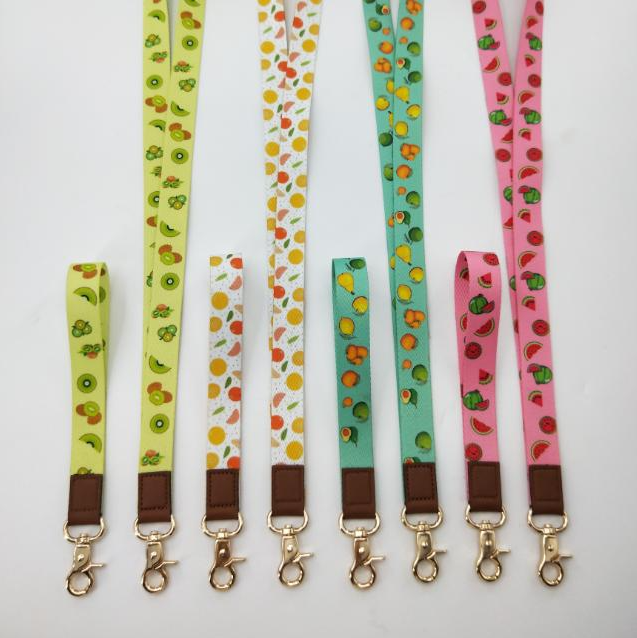

Phone Strap Factory Buyer's Guide to Quality and Customization
2026-10-28
A phone strap seems simple—until you're staring at a shipment of two thousand with frayed edges and a logo that peels off after a week. The truth is, not every factory treats small accessories with the same seriousness as their bigger products. That's why this buyer's guide focuses on the two things that matter most: quality and customization. And if you're looking for a factory that gets both right from the start, DONGCHUANG is a name worth knowing.
Beyond the Sample: What Actually Shows Up in Bulk
The sample that convinced you to place the order rarely tells the whole story. Bulk shipments bring their own set of surprises: subtle shifts in dye lots, a slightly different hand feel, or packaging that doesn't survive the trip. Those tiny variables you never noticed in a single unit become impossible to ignore when you're staring at hundreds of them.
Many buyers discover the hard way that what looked crisp and uniform in a hand-picked sample can arrive with loose threads, off-center prints, or a sheen that falls flat under warehouse lighting. The gap isn't always dramatic, but it's persistent—maybe five units out of every hundred have a flaw, or the measurements drift by a quarter inch across sizes.
The smart move is to stop treating the sample as a promise and start treating it as a rough draft. Set clear tolerances before production, ask for pre-shipment photos from the actual batch, and keep a sealed reference sample on hand. That way, when the truck backs up to your dock, you're not hoping for the best—you're checking against reality.
Material Truths: Nylon, Polyester, or Something Else?
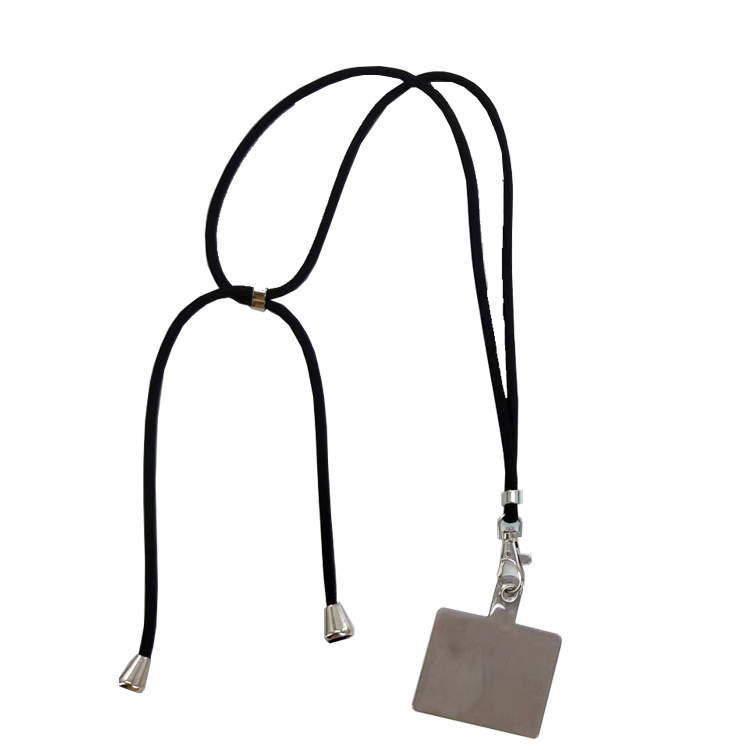
The choice between nylon and polyester often feels like a coin toss—both are synthetic, both dry fast, both resist wrinkles. But dig a little deeper and the differences start to matter. Nylon stretches more before breaking, which makes it a favorite for anything that needs to flex, like activewear or climbing ropes. Polyester, on the other hand, holds its shape better when wet and shrugs off UV rays with less fuss, so it dominates swimwear and outdoor upholstery. Neither is universally better; it depends on whether you're fighting abrasion or sunlight.
Then there's the question of what “something else” might look like. Blends are everywhere—adding spandex for stretch or cotton for breathability changes the feel completely. Some newer materials, like recycled nylon or bio-based polyester, blur the line between synthetic performance and environmental conscience. The real material truth is that no single fiber wins every time. You have to match the fabric to the abuse it'll take, not the other way around.
What most product descriptions won't tell you is that nylon tends to absorb more water than polyester, which can make it feel clammy in humid weather. Polyester resists moisture but holds onto odors more stubbornly. Small differences, sure, but they add up over a season of hard use. If you're still torn, grab a sample of each and run your own test—rub it, stretch it, leave it in the sun. The fibers will tell you the truth faster than any label.
Customization Without Compromise: Print Methods That Last
Many people still believe that custom printed items fade or crack after a few washes, but that assumption is outdated. The real difference comes from the print method itself, not the fact that it is customized. Durable options have been refined over decades, and with the right approach, the final product can outlast even some off-the-shelf alternatives.
Screen printing remains one of the most reliable choices, especially for bold graphics on cotton or blends. The ink is pushed through a mesh and cured at high temperatures, bonding it to the fabric rather than sitting on top. For detailed logos or smaller runs, direct-to-garment printing has improved significantly, using pigment inks that penetrate the fibers. Embroidery, while technically not a print, provides a textured, long-wearing look that holds up through repeated laundering.
The key is matching the method to the material and the intended use. A heavyweight canvas tote calls for a different treatment than a lightweight performance tee. Testing wash fastness and rub resistance before committing to a full order prevents the disappointment of a design that looks great on day one but falls apart by month three. Customization does not have to mean a compromise on longevity if the process is chosen with care.
The Invisible Quality Checks Most Buyers Miss
Most shoppers check the obvious—stitching, fabric weight, finish. But the quality signals that separate a five-year garment from a two-season one often hide in places nobody thinks to look. The back of a zipper, for instance. Whether the teeth are painted or raw, whether the tape is woven tight or thin, whether the pull locks flat or wobbles. Same with the underside of buttons: are they reinforced with a clear thread, or just waiting to pop after the third wash?
Another skipped check is the seam allowance and how raw edges are finished. Run your finger along the inside of a hem or side seam. Is there a second line of stitching, or just a single row with pinked edges that will fray into a mess? The best factories add a clean overlock or even a French seam, which you'll never see on the hanger but feel every time you put the item on.
Then there's the matter of grainline and pattern matching. A cheap blouse can look fine on a shelf, but hold it up and see if the stripes align at the side seams or if the fabric twists around the body. Precision in cutting costs money, and it's one of the first things brands quietly skip when margins get tight. Buyers who learn to spot these invisible checks never look at a price tag the same way again.
Lead Times You Can Trust: Reading Between Factory Quotes
Factory quotes often present lead times as if they were guaranteed, but in practice they are estimates shaped by optimism and sales pressure. A supplier may write “15-20 days” without clarifying whether that covers raw material procurement, machine scheduling, quality inspection, or just the final assembly. The missing details are where risks hide, so rather than accepting the number at face value, you need to ask what exactly starts the clock and what could stop it.
Vague language is another signal to watch for. Phrases like “around three weeks,” “as soon as possible,” or “depending on order volume” suggest the factory is not committing to a firm date. A dependable partner will separate production time from total transit time and may even include a milestone schedule in the quote. If you push for specifics on any stage and the answers keep shifting, that inconsistency is more telling than the original number itself.
Order quantity also affects how credible a lead time is. Some factories give very short lead times for small orders because they plan to squeeze them into gaps between larger production runs, which can delay other work or compromise quality. A realistic lead time aligns with actual capacity, not a market average. You can request past shipment records for similar orders or ask what penalty applies if they miss the date. A factory unwilling to stand behind its own timeline is unlikely to be reliable elsewhere.
Certifications That Matter for Phone Straps (And Those That Don't)
Not all certifications carry the same weight when you're shopping for a phone strap. Some labels exist mainly to reassure buyers without much testing behind them, while others signal genuine safety and material quality. Understanding the difference can save you from paying extra for marketing fluff.
Certifications that actually matter include RoHS compliance for restricted hazardous substances, REACH registration for chemical safety in the EU, and OEKO-TEX Standard 100 for textiles tested against harmful substances. If your strap uses leather, look for Leather Working Group or similar audited programs. California Proposition 65 warnings, though sometimes alarming, often just indicate trace chemicals that are common in many consumer goods—context matters more than the warning itself.
On the flip side, vague claims like 'eco-friendly' or 'food-grade silicone' without a named standard don't prove much. A strap might say 'lab tested' but fail to mention what was tested or by whom. Stick to third-party verified marks with clear test criteria, and don't assume a higher price tag automatically means better certification.
FAQ
Pull on the strap near the connector. The stitching should stay even, with no loose threads or skipped areas. Check the edges of woven straps for fraying, and ask if the factory runs a tensile test on every batch. Metal or plastic buckles should feel solid, not flimsy, and there shouldn't be any sharp burrs or rough seams that could scratch a phone.
Ask for photos of past custom mold or cutting work, not just stock catalogs. A factory that does true customization will have an in-house mold shop or a reliable partner for die-cutting. Request a sample of a non-standard shape they produced recently and ask how many rounds of prototyping they include before final approval.
Most factories will quote around 500 to 1000 pieces to make full-color printing worthwhile. Some smaller workshops accept 300 pieces, but the unit price jumps because the setup costs stay the same. Always clarify whether the quoted price includes plate or screen fees, because those can add a hidden charge on the first order.
Woven nylon and polyester webbing are the most durable for everyday wear, but full-color prints on nylon can crack over time. Silicone is soft and easy to clean but tends to attract lint. PU leather looks nice but peels after heavy use, while genuine leather ages better if treated properly. Ask for a material swatch book and compare abrasion resistance.
After you approve the final artwork, expect about 5 to 10 days for a pre-production sample. Once you sign off on the sample, bulk production typically takes another 10 to 20 days, depending on the complexity. Multi-step processes like embroidery, injection molding, or multiple printing passes can add a week or more. Shipping time is separate.
The biggest issues are connectors pulling loose, printed designs cracking, webbing fraying at the edges, and metal parts rusting. Ask the factory to perform a pull-force test on the connector and a salt-spray test on metal components. Set a clear defect rate in your contract, usually under 2 or 3 percent, and request that they send photos of the in-line quality check.
Most factories offer simple poly bags or basic custom boxes and can apply barcode stickers during packing. If you need hang tags, printed inserts, or retail-ready display packaging, ask whether that work is done in-house or subcontracted. Subcontracted packaging can create delays, so confirm whether packaging costs are itemized or bundled into the strap price.
Break the quote down by material, printing method, hardware, packaging, mold amortization, and labor. A low total price might hide thinner webbing, weaker connectors, or extra charges for the mold. Always request a physical sample made to your specifications before placing a bulk order, and compare the same material grade and printing technique across factories.
Conclusion
Ordering phone straps in bulk is rarely what the first sample promises. Factories often hand-pick materials and printing for the approval piece, then quietly switch to cheaper thread or thinner webbing once the container is in production. If you don't pin down the exact yarn count, buckle finish, and print opacity in writing, you'll end up with straps that fray after a week and colors that fade under sunlight. The gap between a polished prototype and a rushed mass run is where most buyers lose money, so treat the sample as a baseline, not a guarantee.
Customization only works when the print method matches the material. Nylon takes dye well but can feel stiff; polyester resists stretching but shows scratches on glossy hardware. Look for edge-to-edge sublimation on woven polyester rather than cheap vinyl stickers that peel off. And don't ignore the boring stuff: check stitching tension, pull-force on the connector, and whether the factory actually runs a needle detector after sewing. Certificates like ISO 9001 mean little for a phone strap unless the factory specializes in small accessories, while REACH compliance for plastic parts matters more than a wall of generic awards. Finally, ask for a realistic lead time including Chinese holidays and raw material delays — if a quote sounds too fast, it's because someone is cutting corners you won't see until the box arrives.
Contact Us
Contact Person: Bill Huang
Email: [email protected]
Tel/WhatsApp: 8613829102720
Website: https://www.dclanyard.com