

Open Type Fiber Laser Cutting Machine Supplier Guide to Finding the Best Partner
2026-10-13
Most buyers treat an open type fiber laser cutting machine supplier as a catalog entry. But the best workshops know the real differentiator is the partner who shows up when the laser doesn't fire. In this guide, we cut through the standard pitch to reveal what to verify before you commit—from response times to upgrade paths. Because a machine is only as reliable as the supplier behind it, we also spotlight HUNSONE as a benchmark for what a true partner should offer.
Reading Beyond the Spec Sheet: What Actually Separates One Open-Type Fiber Laser Supplier from Another
Most spec sheets will list nearly identical numbers for power output, beam quality, and wall-plug efficiency. That’s not where the real differences hide. Look instead at how a supplier manages thermal drift over an eight-hour shift, or whether their resonator design tolerates back-reflections without triggering protective shutdowns. These behaviors emerge from the choice of pump diodes, the quality of fusion splices, and the control loop tuning—details that never appear on a glossy datasheet but show up on your production floor within the first month.
Another separator is how the supplier handles integration beyond the bare laser head. Open-type fiber lasers demand precise alignment with customer optics, and a vendor that ships a sealed black box with a generic interface will leave you debugging beam delivery on your own. The better partners provide detailed startup logs, pre-characterized output at multiple focus positions, and direct access to the engineers who designed the gain module—not just a ticket queue. Over time, that difference translates into fewer unplanned stops and a clearer path when you push the laser toward new materials or higher duty cycles.
The Questions Most Buyers Forget to Ask Before Signing with a Fiber Laser Partner
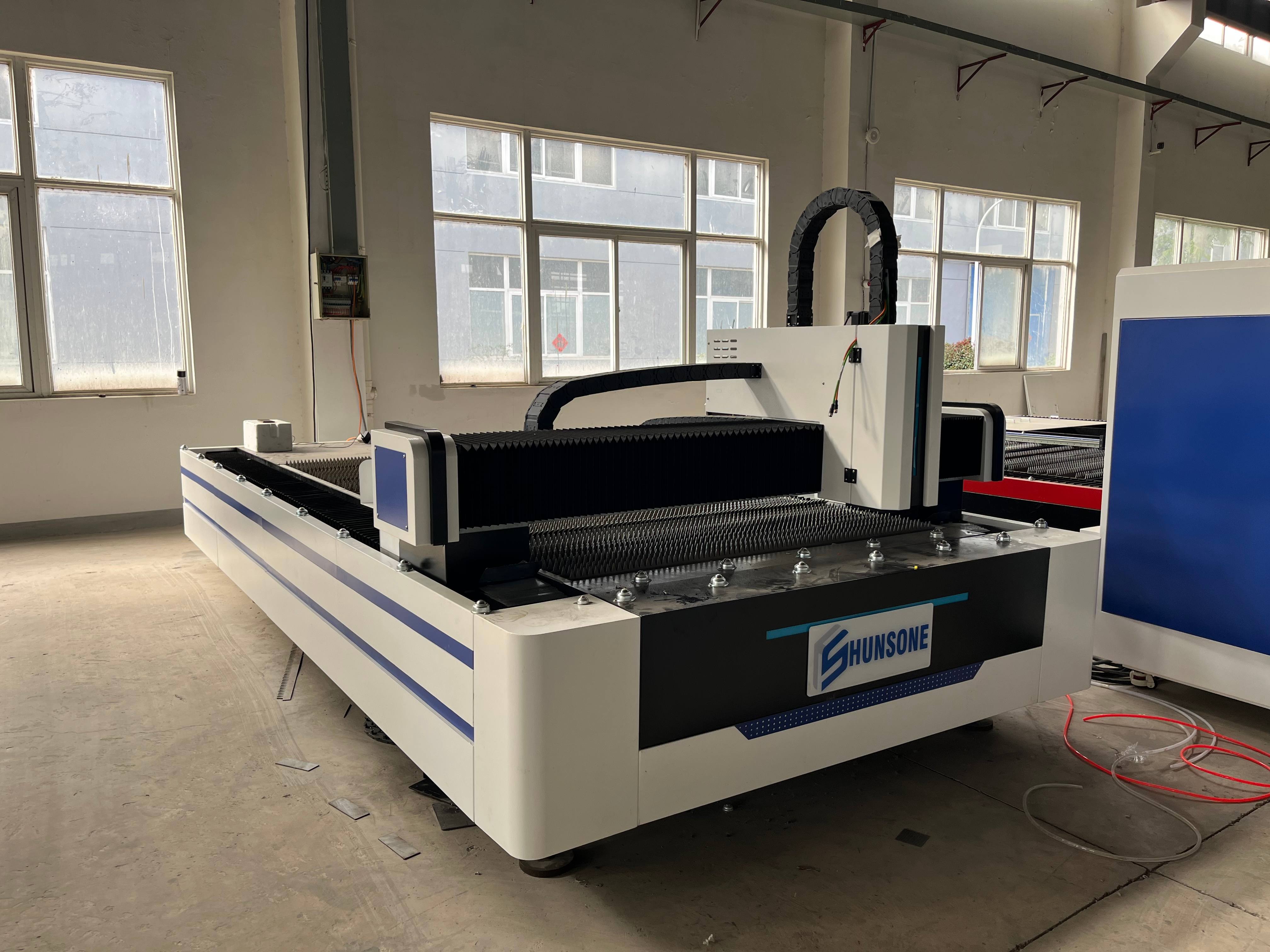
Most buyers get tunnel vision on wattage, maximum cutting speed, and the sticker price. Then a Friday afternoon breakdown happens and they realize nobody asked about response time, whether the service tech hops on a plane or lives within driving distance, or if critical spare parts are stocked locally instead of shipped from overseas. Before you sign, ask for a list of three shops within a hundred miles that run the same machine. Call them. Ask how long they were down last time the resonator hiccuped and whether the vendor sent a real person or just a remote login.
Software is another blind spot. The demo looks seamless, but nobody mentions that the nesting module you actually need costs extra, or that the control software gets an annual license fee, or that certain file formats require a pricey plugin. Ask what happens when you want to add a rotary axis next year. Will the current software handle it, or are you looking at a forced upgrade? Also press them on third-party service. Some laser sources can only be opened by factory-certified techs, which means a simple lens cleaning could turn into a week-long wait and a travel charge.
Cut quality on your real material mix matters more than the polished sample they ran on thin stainless. Send them a few pieces of your own stock—hot-rolled, galvanized, thick aluminum, whatever you actually cut daily—and ask for the edge condition, dross height, and pierce time on each. Then have them put power consumption numbers in writing for idle, standby, and full-load cutting. Electrical costs differ wildly between machines, and a five-year energy bill can quietly erase the savings from that lower upfront quote.
From Cutting Speed to Cut Quality: Benchmarks That Expose Real Machine Performance
Most spec sheets lead with maximum cutting speed, but that number rarely survives contact with real material. A machine that zips through thin gauge steel might choke on slightly thicker plate, or leave a ragged edge that demands costly secondary finishing. The difference becomes obvious when you measure cycle times on typical jobs, not just ideal demo runs. Operators quickly learn that a slower, steadier cut can beat a faster one if it eliminates grinding or rework.
The benchmarks worth paying attention to combine feed rate with actual cut quality: edge squareness, dross formation, heat-affected zone width, and kerf consistency across a full sheet. Test cuts on a range of thicknesses and alloys reveal whether a machine holds tolerances as speed increases. You might see one model lose corner detail above 40 inches per minute, while another keeps clean holes and sharp notches at double that pace. That gap in real performance shows up in assembly fit, weld prep time, and scrap rates.
Rather than chasing a single impressive number, run side-by-side trials that mimic your most common parts. Ask for cut samples, not just videos. Measure what happens at the high-speed setting and at the recommended setting. Often the machine that posts a lower headline speed delivers better overall throughput because it spends less time on setup, cleaning, and error recovery. The true benchmark is not how fast the torch moves, but how quickly good parts leave the table.
Why After-Sales Support Can Make or Break Your Open-Type Laser Investment
When you sign off on an open-type laser, the machine itself is only half the story. The other half unfolds weeks and months later, when a mirror drifts out of alignment or a cooling line clogs mid-production. A vendor that treats support as an afterthought leaves you stranded with a very expensive paperweight. True after-sales support means a technician who talks you through a mirror alignment over video call at 11 p.m., not a ticket queue that promises a callback within three business days.
Open-type lasers demand more from their owners than enclosed systems. The exposed beam path, the manual adjustments, the dust that settles on optics—these are not flaws but features that reward a hands-on operator. Yet every operator hits a wall eventually. Maybe it’s a subtle drop in cut quality that no amount of cleaning fixes, or a software update that changes the pulse frequency behavior. In those moments, the difference between a profitable shop and a stalled one is whether you can reach a real engineer who knows your exact model and your exact workflow.
The smartest buyers evaluate support before the purchase, not after the first breakdown. Ask for the vendor’s average response time, not their marketing promise. Request a list of spare parts they keep in-country, and ask how many of their support staff actually operate an open-type laser themselves. A vendor who runs a demo lab and lets you bring in sample material for a test cut is signaling something more valuable than a warranty card: they’re invested in your long-term output, because their reputation and your uptime are welded together.
Real Shop Stories: How Veteran Fabricators Vet Their Long-Term Laser Partners
Veteran fabricators often skip the polished sales pitch and go straight to a real-world test. One shop owner in Ohio sends a batch of 12-gauge stainless brackets with mixed grain directions on a Tuesday, then watches how the laser partner handles edge cleanup, packaging, and the one part that was drawn slightly out of tolerance. That single job tells him more about long-term fit than any capability chart.
Another story comes from a Michigan fabricator who stayed with the same laser shop for nine years. Early on, the partner called at 7 a.m. to say a third hole pattern in the CAD file was off by 0.3 mm and they were holding the run rather than shipping scrap. That kind of proactive catch, made before it hit the floor, is what builds the kind of trust that outlasts a dozen price quotes.
Ask any shop with two decades in the trade how they vet a laser partner and you'll rarely hear about checklists. You'll hear about giving them a weird material, a tight turnaround, and a part you hate making. Then you wait to see if they still answer the phone next month. Those are the stories that carry weight on the floor.
Negotiating with Confidence: Cost, Lead Time, and the Hidden Terms That Matter
Most buyers walk into a supplier conversation fixated on price, then leave wondering why the final invoice looks nothing like the quote. The real leverage often sits in lead time and the terms buried in the fine print—payment windows, change-order fees, freight responsibilities, and what happens when a shipment slips. Naming these early, in plain English, does more to protect your margin than squeezing another two percent off the unit cost.
Confidence doesn't mean pushing harder; it means asking the questions that make a salesperson pause. Instead of "Can you do better on price?", try "If I commit to a rolling forecast, what happens to your lead time?" or "Walk me through your standard exclusions." That shift forces the conversation past discounts and into trade-offs you can actually budget against.
Before the next call, write down the three non-price terms that would hurt most if they went wrong—late delivery penalties, liability for defects, minimum order changes. Then lead with those. A supplier who sees you're serious about the hidden terms rarely plays games on the visible ones.
FAQ
Look beyond glossy brochures. A reliable partner will openly discuss beam quality, acceleration limits, and heat management on open frames. Ask for a cutting sample in your material thickness and compare edge squareness, not just speed. The best suppliers often suggest a smaller, more rigid gantry rather than pushing the largest table size.
Request thermal stability data and ask about their stress-relieving process for the frame. Open machines expose the cutting zone to ambient temperature swings, so a supplier who uses finite element analysis on the gantry and offers a temperature compensation package is likely serious about long-term accuracy. Field visits to older installations are worth more than any spec sheet.
The source defines maintenance intervals and beam consistency. Insist on a source from a known manufacturer with local service coverage, not a generic 'same as brand' claim. If a supplier cannot tell you the diode module replacement cost upfront, walk away. That single number often reveals whether their pricing is honest or designed to lock you into expensive consumables later.
Software and motion control. Open frames vibrate more than enclosed ones, so the control system must compensate dynamically. Ask to see a job with sharp corners and small holes at high feed rates. If the supplier blames 'operator error' for burrs or lag, their motion tuning is probably mediocre.
Give them a real problem: ask for a maintenance schedule for the chiller and protective window, then see if they respond with specifics or vague promises. Better yet, request contact details for two existing customers who run similar shifts. A confident supplier will share references without hesitation, while a shaky one will stall with confidentiality excuses.
Neither is automatically safer. Local assemblers often provide faster physical service but may import low-grade frames and only assemble electronics. Overseas manufacturers may offer better component matching but slower emergency response. The deciding factor is whether they stock spare parts in your region and employ technicians who can diagnose issues remotely without charging a fortune for travel.
Three stand out: they avoid committing to laser source brand and power stability in writing, their demo videos only show thin mild steel cutting, and their warranty excludes the cutting head and protective lenses. These gaps mean they expect you to bear the cost of common failures, which is the opposite of a partnership.
Conclusion
Choosing the right open-type fiber laser cutting machine supplier goes far beyond comparing kilowatts and sheet capacities. The real differences surface in how a supplier handles the details you never see on a brochure: the way their control software handles kerf compensation on thick stainless, the consistency of their beam profile after 2,000 hours of cutting, and whether their technicians actually answer the phone when a drive fault appears at midnight. Veteran shops know to probe these layers early. They ask about duty cycle under high ambient temperatures, not just peak acceleration. They request cut samples on their own material, then measure edge squareness and dross adhesion rather than trusting a glossy spec sheet. The suppliers worth partnering with welcome these tests instead of dodging them.
After-sales support often decides whether a machine pays for itself in eighteen months or becomes a constant drain. The best partners offer transparent lead times, clear escalation paths for spare parts, and training that goes beyond basic operation to cover parameter tuning for mixed batch work. Real shop stories reveal that fabricators stay loyal to suppliers who admit when a configuration won't suit a particular job, rather than pushing a one-size-fits-all package. Negotiating with confidence means understanding hidden terms—laser source warranty boundaries, chiller maintenance clauses, and software update costs. A supplier who values long-term partnership will put these in writing without hesitation, and that openness is the clearest signal you've found the right match.
Contact Us
Contact Person: James Chen
Email: [email protected]
Tel/WhatsApp: 86 13770803946
Website: https://www.hunsone.com/