

Marine Generator Sets in China: Reliable Power Solutions for Maritime Applications
2026-04-23
Navigating the vast oceans requires more than just skilled sailors; it demands an unwavering power source to keep vessels operational and safe. In China's dynamic maritime sector, marine generator sets have emerged as indispensable allies, providing reliable energy solutions tailored for the unique challenges of sea-based applications. As a leader in this field, Hichai Power stands at the forefront, crafting advanced systems that ensure efficiency and durability across diverse maritime operations. In this blog, we'll dive into how these generator sets are revolutionizing power management at sea, exploring their critical roles and the innovative technologies driving this industry forward. Stay tuned to discover the key factors that set Chinese marine power solutions apart and why they're becoming the go-to choice for global maritime ventures.
Innovative Marine Generator Solutions for Sustainable Maritime Operations
To meet the growing demand for eco-friendly practices in the shipping industry, cutting-edge marine generator solutions are emerging as game-changers. These systems are designed to significantly reduce fuel consumption and emissions by integrating advanced technologies like hybrid power setups, which combine traditional diesel generators with battery storage or renewable energy sources such as wind and solar. By optimizing energy use during voyages, ships can maintain operational efficiency while adhering to stringent environmental regulations, making maritime operations greener and more cost-effective.
Beyond just power generation, these innovative solutions also incorporate smart monitoring and predictive maintenance features. Using IoT sensors and AI-driven analytics, operators can track generator performance in real-time, identifying potential issues before they lead to breakdowns. This proactive approach not only minimizes downtime but also extends the lifespan of equipment, ensuring smoother, more reliable maritime activities that align with sustainability goals by cutting waste and resource use.
Moreover, the development of these generators emphasizes modular designs and compatibility with alternative fuels like LNG or biofuels, offering flexibility for various vessel types and future upgrades. As the maritime sector shifts towards a low-carbon future, such adaptable and efficient technologies are crucial for reducing the industry's environmental footprint while enhancing long-term profitability and resilience against evolving regulatory landscapes.
Key Features and Benefits of China's Marine Generator Technology
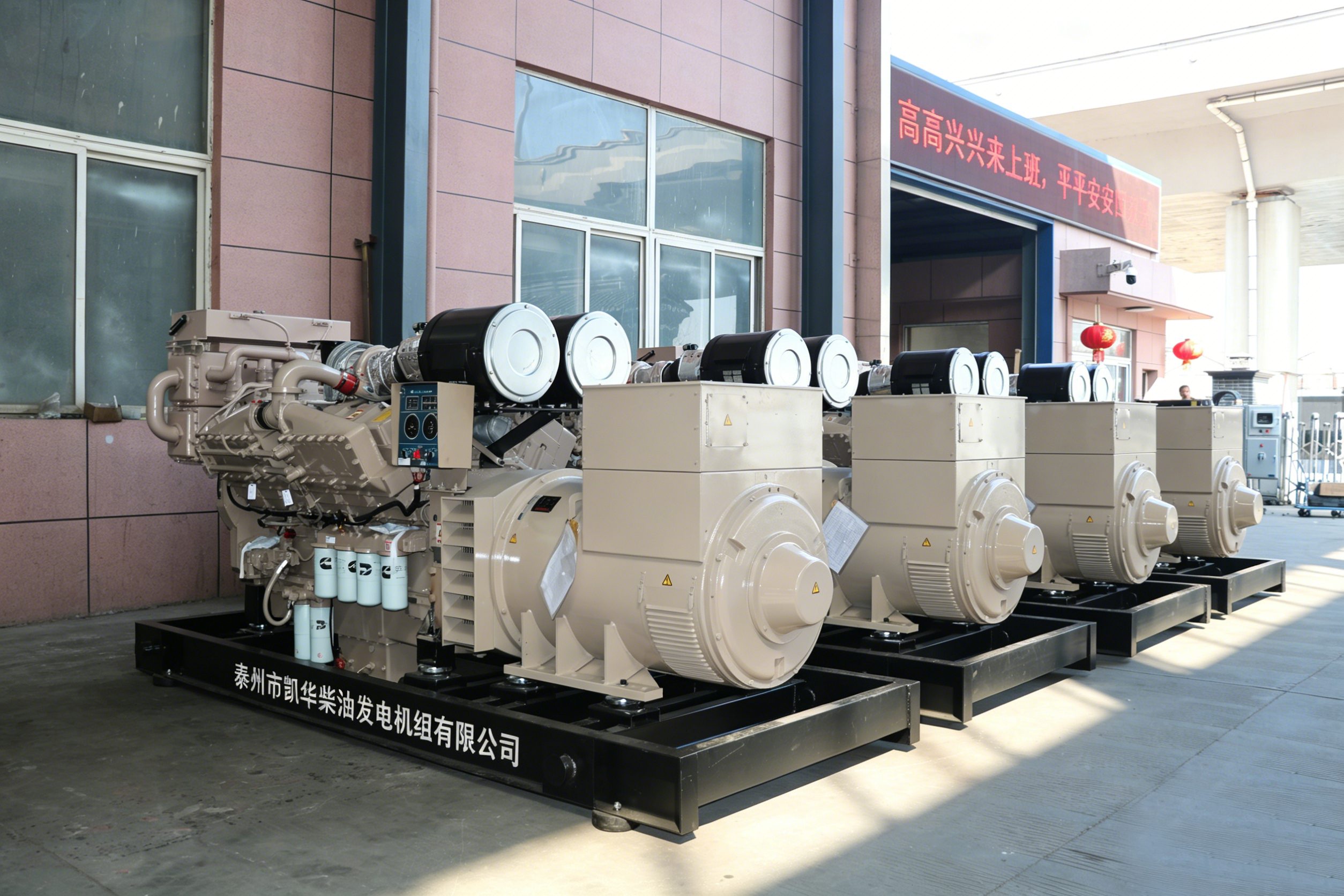
China's marine generator technology has seen remarkable advancements in recent years, characterized by high efficiency and reliability tailored for diverse maritime environments. These generators are designed to withstand harsh conditions such as saltwater corrosion and extreme temperatures, ensuring uninterrupted power supply on vessels from cargo ships to luxury yachts. With a focus on energy conservation, many models incorporate smart control systems that optimize fuel consumption and reduce emissions, supporting global efforts towards greener shipping. This commitment to durability and eco-friendliness sets Chinese marine generators apart, making them a preferred choice for operators seeking robust and sustainable solutions.
Beyond performance, the technology offers significant cost benefits through innovative manufacturing processes that lower production expenses without compromising quality. By leveraging advanced materials and automated assembly lines, Chinese manufacturers can deliver generators at competitive prices, enabling cost savings for shipbuilders and fleet owners. Additionally, these generators often feature modular designs that simplify installation and maintenance, minimizing downtime and labor costs. These economic advantages, combined with tailored support services like extended warranties and global technical assistance, enhance the overall value proposition, helping users maximize their investment in maritime operations.
Looking ahead, China's marine generator sector is pushing boundaries with cutting-edge developments in hybrid and electric systems, integrating renewable energy sources to meet evolving industry demands. These innovations not only boost operational flexibility but also align with emerging regulations for cleaner marine transport. By fostering strong partnerships with international marine engineering firms, Chinese companies are expanding their global footprint, offering customized solutions that cater to specific regional needs and vessel types. This forward-thinking approach ensures that China remains at the forefront of marine power technology, driving progress and reliability across the seas.
Navigating Power Challenges with Reliable Marine Generator Sets
In the unpredictable environment of the open sea, where power fluctuations can jeopardize both safety and operational efficiency, reliable marine generator sets stand as critical assets. These systems are engineered to deliver consistent electrical output, even under harsh conditions like rolling waves or extreme temperatures, ensuring that vital navigation equipment, communication tools, and onboard amenities remain fully functional. By integrating advanced fuel management and automated control features, modern generators help vessels navigate power challenges seamlessly, reducing the risk of downtime that could lead to costly delays or hazardous situations.
What sets these generators apart is their tailored design for marine applications, which goes beyond mere durability. They incorporate corrosion-resistant materials and specialized cooling mechanisms to withstand saltwater exposure and humidity, factors that often cause conventional power sources to fail prematurely. Moreover, newer models prioritize energy efficiency, cutting down on fuel consumption and emissions without sacrificing performance—a key advantage in an industry increasingly focused on sustainability. This adaptability ensures that whether on a luxury yacht or a commercial cargo ship, operators can rely on uninterrupted power to tackle everything from routine operations to emergency scenarios.
Ultimately, investing in a robust marine generator set is about more than just backup power; it's a strategic move to enhance overall vessel resilience. By choosing units with comprehensive monitoring and diagnostic capabilities, shipowners can proactively address potential issues before they escalate, minimizing maintenance headaches and extending equipment lifespan. This proactive approach not only safeguards against electrical failures but also boosts crew confidence, knowing that their power source is dependable enough to navigate any challenge the sea might present.
Applications of Marine Generators in Diverse Maritime Sectors
Marine generators are the unsung heroes of the high seas, powering everything from a small fishing boat's navigation systems to a massive cruise liner's air conditioning. On commercial vessels, these generators are essential for propulsion, lighting, and operational equipment, ensuring smooth sailing across global trade routes. In the fishing industry, they keep refrigeration units running to preserve catches, while in offshore oil and gas sectors, they provide reliable electricity for drilling rigs and platforms, often in harsh environmental conditions.
Beyond traditional shipping, marine generators find critical applications in research vessels, where they support sophisticated scientific instruments and data processing systems. They are also vital in the growing fields of renewable energy, such as offshore wind farms, where they power installation and maintenance operations. Additionally, in military and naval sectors, marine generators enable advanced communication systems, radar, and weaponry, contributing to maritime security and defense efforts worldwide.
The adaptability of marine generators extends to specialized maritime sectors like aquaculture, where they power feeding systems and water pumps, and in luxury yachts, providing comfort amenities for passengers. Their robust design, often tailored to withstand saltwater corrosion and extreme weather, makes them indispensable across diverse maritime operations, from everyday transport to cutting-edge exploration and leisure.
Choosing the Right Marine Generator for Your Vessel's Needs
Selecting a marine generator isn't just about picking the biggest or most powerful option—it's about matching your vessel's unique demands and operational style. Start by evaluating your electrical load: consider essentials like navigation lights, refrigeration, and air conditioning, as well as any power-hungry extras like entertainment systems or dive compressors. Many boat owners make the mistake of underestimating their needs, only to face frustrating power shortages in remote anchorages. A practical approach is to list all your devices, noting their wattage and usage duration, then add a buffer of 15-20% for unexpected surges or future upgrades. Remember, a generator that's too small will strain and wear out quickly, while an oversized one can be inefficient and noisy.
Beyond raw power, consider the generator's compatibility with your boat's layout and fuel system. Diesel generators are often favored for their durability and safety, but if your vessel already runs on gasoline, a gas-powered model might simplify refueling. Noise and vibration levels are critical too—after all, peace and quiet are part of the boating experience. Look for models with sound-dampening features or portable options that can be stowed away when not in use. Don't forget installation: a compact, lightweight generator can be easier to fit into tight engine rooms, whereas larger units may require professional mounting to handle rough seas without shifting.
Finally, think long-term: reliability and maintenance can save you headaches down the line. Opt for brands known for marine-grade construction that resists corrosion from saltwater and humid conditions. Regular servicing is easier with accessible components and clear manuals, so factor in local support or dealer availability. Some newer models even offer smart features like remote monitoring via apps, letting you check fuel levels or troubleshoot issues from shore. By balancing power, fit, and future upkeep, you'll ensure your generator enhances your voyages rather than complicating them.
Future Trends in Marine Power Generation from China
The future of marine power generation in China is poised for significant transformation, driven by a blend of technological innovation and strategic policy shifts. Chinese companies are increasingly focusing on offshore wind energy, with ambitious projects like the Fujian and Guangdong coastal wind farms, which are set to double the nation's offshore capacity by 2030. Beyond wind, there's a growing push into tidal and wave energy, leveraging China's extensive coastline to tap into predictable, sustainable power sources that could reduce dependence on fossil fuels.
In addition to expanding renewable sources, China is pioneering advancements in floating solar farms and integrated marine energy systems. These hybrid setups combine multiple technologies, such as wind turbines with floating solar panels, to maximize energy output from the same marine space. Government-backed initiatives, like the 'Blue Economy' strategy, are fueling this trend by encouraging research and investment in cutting-edge solutions, aiming to position China as a global leader in sustainable marine power.
Looking ahead, the sector is also embracing digitalization and smart grid technologies to enhance efficiency and reliability. Innovations in energy storage, including underwater battery systems, are being developed to address intermittency issues common with marine renewables. As China ramps up its efforts to meet climate goals, these trends indicate a shift toward more resilient, eco-friendly power generation that could set new standards worldwide.
FAQ
Chinese marine generator sets are known for their robust construction and advanced technology, offering features like high fuel efficiency, low emissions, and reliable power output in challenging maritime conditions. They often incorporate smart monitoring systems for easy maintenance.
These sets undergo rigorous testing, including vibration and corrosion resistance checks, to withstand harsh sea environments. Many manufacturers provide comprehensive warranties and global service networks, ensuring dependable operation during long voyages.
A wide range of vessels utilize these sets, such as cargo ships, fishing boats, passenger ferries, and offshore platforms. Their versatility allows customization to meet specific power needs for both commercial and recreational maritime activities.
Yes, they often offer competitive pricing without compromising quality, making them an attractive choice for shipowners looking to balance performance and budget. Efficient production processes help keep costs down while maintaining high standards.
Many Chinese models are designed to meet international emission standards like IMO Tier II and III, featuring technologies that reduce pollutants and noise, contributing to sustainable maritime operations by minimizing environmental impact.
Manufacturers typically offer flexible solutions, including adjustable power capacities, fuel type options, and integration with existing ship systems. Buyers can work directly with suppliers to tailor features based on vessel requirements.
Conclusion
China's marine generator sets have emerged as reliable power solutions, seamlessly addressing the diverse demands of maritime applications. These advanced systems combine innovation with sustainability as highlighted in solutions like those for sustainable operations, ensuring vessels operate efficiently while minimizing environmental impact. By navigating power challenges, they provide consistent and dependable energy across various maritime sectors, from commercial shipping to offshore installations. The technology's key features, such as enhanced durability and fuel efficiency, offer significant benefits, making China a prominent player in the global market. This reliability is crucial for vessels facing harsh sea conditions, underscoring the importance of choosing the right generator tailored to specific needs for optimal performance and longevity.
Looking ahead, future trends in marine power generation from China point toward continued advancements in eco-friendly and smart technologies. These developments are set to further enhance applications in diverse maritime sectors, ensuring that generators not only meet current demands but also adapt to evolving environmental regulations and energy efficiency standards. By integrating cutting-edge innovations, China's marine generator solutions are poised to lead in sustainable maritime operations, offering robust and adaptable power systems that empower vessels worldwide. This forward-thinking approach solidifies their role as indispensable tools for reliable power in an increasingly dynamic maritime landscape.
Contact Us
Contact Person: Ms. Lu
Email: [email protected]
Tel/WhatsApp: 8618917899306
Website: https://www.hichaipower.com