

Innovative Polymer Insulator Manufacturer: Enhancing Grid Performance and Durability
2026-01-19
In the rapidly evolving energy sector, reliability and durability are paramount for maintaining efficient power grids. At Lugao, we stand at the forefront of innovation with our cutting-edge polymer insulators, designed specifically to enhance grid performance and longevity. This blog delves into how our advanced solutions address common challenges in the industry, offering insights that could transform your approach to infrastructure. Join us as we explore the transformative impact of innovative materials on modern energy systems.
Boosting Grid Efficiency with Advanced Polymer Materials
Advanced polymer materials are revolutionizing grid efficiency by offering lightweight, durable solutions for transmission and distribution systems. These materials, such as cross-linked polyethylene (XLPE) and thermoplastic elastomers, enhance insulation properties, reducing energy losses during electricity transport. In power lines, polymer composites withstand harsh environmental conditions, minimizing maintenance needs and extending infrastructure lifespan. Their flexibility allows for easier installation in complex terrains, improving grid reliability and reducing operational costs, ultimately leading to a more resilient energy network.
Innovative polymer formulations, like nanocomposites and conductive polymers, are being integrated into smart grid components to boost efficiency further. For instance, polymer-based sensors and coatings enable real-time monitoring of grid health, detecting faults early and preventing outages. In renewable energy integration, polymers support efficient storage and management by enhancing battery performance and enabling flexible, high-capacity cables. This adaptability helps grids handle fluctuating loads from sources like solar and wind, optimizing energy flow and reducing waste, making the entire system more sustainable and cost-effective.
Looking ahead, continued research into bio-based and recyclable polymers promises to elevate grid efficiency while addressing environmental concerns. These materials can replace traditional metals and ceramics, cutting down on carbon footprints and supporting circular economy initiatives. By fostering innovation in polymer technology, utilities can achieve significant gains in energy savings and operational agility, paving the way for smarter, greener grids that meet growing global energy demands without compromising on performance or durability.
Designing Insulators for Extreme Weather Resilience
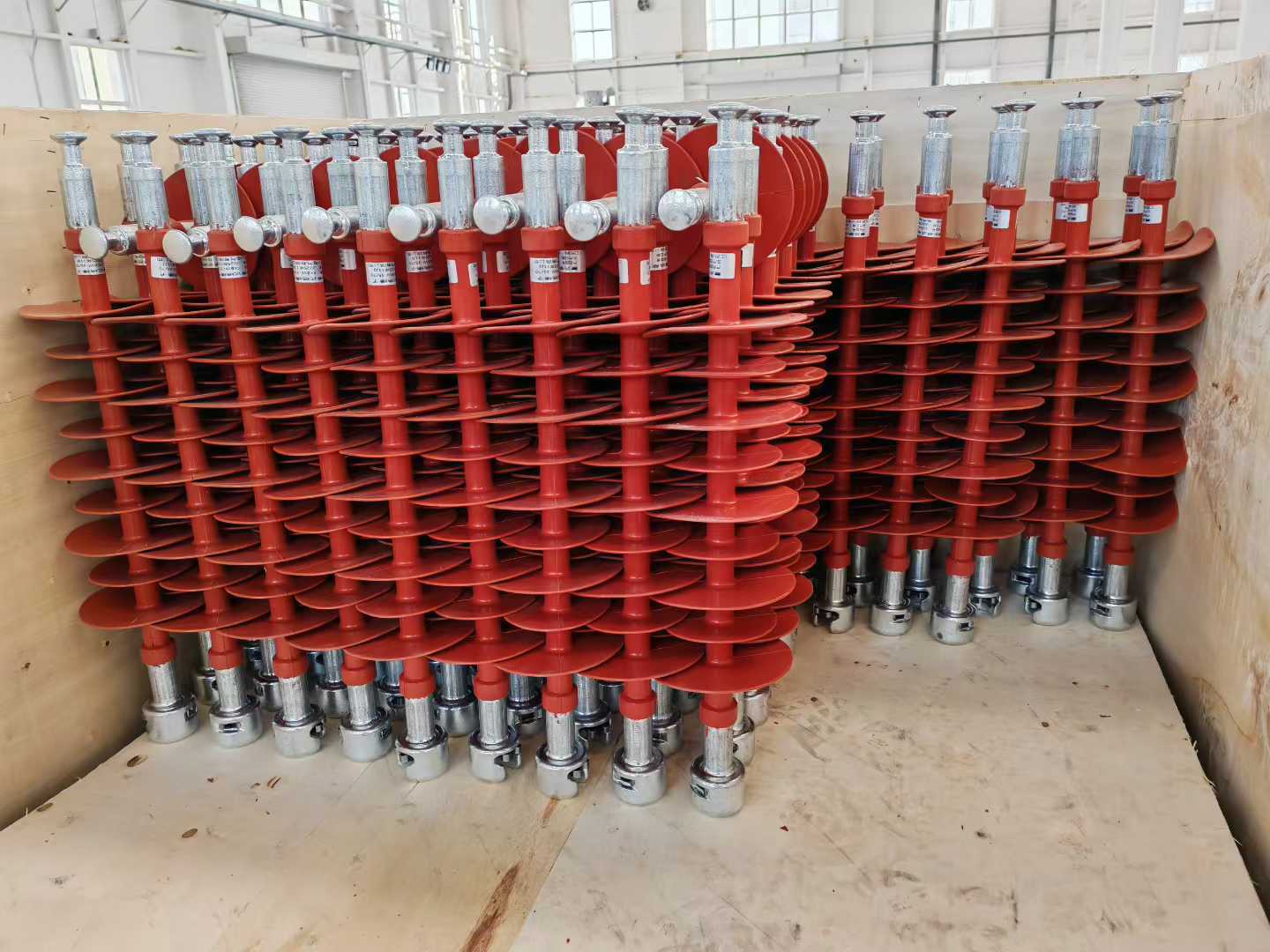
In regions prone to harsh weather conditions like hurricanes, ice storms, and extreme heat, the design of insulators must prioritize durability and reliability. Engineers focus on selecting materials that can withstand thermal expansion, UV degradation, and mechanical stress, ensuring long-term performance without frequent maintenance. This often involves advanced polymers or ceramic composites tailored to resist cracking and erosion under intense environmental pressures.
Beyond material choice, innovative structural features play a crucial role in enhancing weather resilience. For instance, designs incorporate streamlined shapes to minimize wind loading and ice accumulation, while integrated leakage paths help prevent flashovers during heavy rainfall or contamination events. These elements are rigorously tested through simulations and field trials to guarantee safety in worst-case scenarios, ultimately reducing downtime and improving grid stability.
Looking forward, the push for sustainability drives research into eco-friendly insulators that maintain resilience without compromising environmental goals. This includes exploring recyclable components and coatings that self-heal from minor damages, adapting to climate change impacts. By blending traditional engineering with cutting-edge technology, such designs not only meet current standards but also anticipate future weather extremes, fostering a more resilient and efficient energy infrastructure.
Reducing Maintenance Costs Through Long-Lasting Components
When aiming to cut down on maintenance costs, one of the smartest moves is to invest in components that are built for durability. These aren't just any parts—they're engineered with advanced materials and robust design to withstand years of use. By choosing such elements, you're not only reducing immediate expenses but also minimizing the need for frequent repairs or replacements. Imagine a scenario where a single, well-made part outlasts several cheaper alternatives; the savings in both money and time become evident quickly.
Beyond the initial purchase, long-lasting components lead to fewer disruptions in operations. When equipment fails less often, productivity stays high and unexpected downtime becomes rare. This reliability fosters a smoother workflow, allowing teams to focus on core tasks instead of constant troubleshooting. Over time, this steady performance translates into lower overall costs, as there's less urgency to address breakdowns and less waste from discarded parts.
Ultimately, incorporating durable parts is a forward-thinking strategy that pays off. It's about seeing maintenance not as a recurring burden but as a manageable aspect of operations. By prioritizing longevity, businesses can allocate resources more efficiently, enjoy consistent performance, and build a reputation for reliability that sets them apart in competitive markets. The choice to use long-lasting components isn't just a cost-saving measure—it's a commitment to quality and sustainability.
Custom Solutions for Diverse Power Transmission Needs
When it comes to power transmission, one size certainly doesn't fit all. Industries ranging from renewable energy to heavy manufacturing face unique challenges that demand tailored approaches. At our core, we specialize in crafting personalized transmission systems that adapt to your specific operational environment, whether it's a remote wind farm with variable loads or a high-precision facility requiring minimal downtime. By integrating advanced materials and innovative engineering, we ensure reliability where standard solutions might fall short, helping you optimize energy flow and reduce long-term costs without compromising on performance.
What sets us apart is our deep dive into each project's nuances. Instead of offering off-the-shelf products, our team collaborates closely with clients to analyze factors like voltage requirements, geographic constraints, and efficiency targets. This hands-on process has led to breakthroughs in sectors like smart grids and industrial automation, where custom designs have enhanced stability and scalability. It's not just about delivering hardware; it's about building partnerships that evolve with changing demands, ensuring your transmission infrastructure stays ahead of the curve in an energy-diverse world.
Consider the recent case of a solar power plant in a coastal region, where corrosion and fluctuating outputs presented dual hurdles. By developing a hybrid transmission solution with modular components and enhanced protective coatings, we enabled seamless integration with existing grids while extending equipment lifespan. Stories like this highlight how bespoke strategies can turn potential weaknesses into competitive advantages, proving that when power needs vary, flexibility and creativity in design aren't just options—they're essential for sustainable progress.
Improving Safety and Reliability in Electrical Networks
Enhancing safety and reliability in electrical networks demands a proactive approach that integrates advanced technologies with robust operational practices. By deploying smart sensors and real-time monitoring systems, utilities can detect anomalies like voltage fluctuations or equipment overheating before they escalate into failures. This shift from reactive to predictive maintenance not only minimizes downtime but also prevents hazardous incidents, ensuring a stable power supply for industries and households alike. Incorporating automated protection schemes further fortifies the grid against faults, isolating affected sections swiftly to keep the broader network operational and safe for both workers and end-users.
Another critical aspect lies in upgrading infrastructure with durable, weather-resistant materials and redundant pathways to withstand environmental stresses such as storms or extreme temperatures. Implementing microgrids and distributed energy resources diversifies the power sources, reducing dependency on single points of failure and enhancing resilience during outages. Regular training for personnel on safety protocols and emergency response drills complements these technical measures, fostering a culture of vigilance that directly translates into fewer accidents and more reliable service delivery over time.
Ultimately, improving network safety and reliability is an ongoing journey that hinges on continuous innovation and stakeholder collaboration. Leveraging data analytics and artificial intelligence can optimize load balancing and predict demand surges, preventing overloads that compromise safety. Engaging with communities to raise awareness about electrical hazards and promote energy conservation also plays a vital role, as a well-informed public contributes to safer usage and supports the network's overall dependability in everyday scenarios.
Driving Sustainability with Eco-Friendly Manufacturing Practices
Imagine a factory floor where machinery hums with energy efficiency, where every process is designed to minimize waste, and where materials are chosen not just for cost but for their environmental footprint. This vision is at the heart of eco-friendly manufacturing, which goes beyond mere compliance to actively drive sustainability. By integrating green principles into core operations, companies can reduce emissions, conserve resources, and foster a healthier planet. It's a shift from viewing sustainability as an add-on to making it the very engine of innovation and long-term resilience in manufacturing.
In practice, this involves adopting technologies like renewable energy sources, such as solar panels or wind turbines, to power facilities, or implementing closed-loop systems that recycle water and materials back into production. For instance, a textile manufacturer might use organic cotton and dye processes that eliminate toxic chemicals, creating products that are both high-quality and kinder to nature. Such steps not only lower environmental impact but also meet growing consumer demand for ethical goods, turning sustainability into a competitive edge that attracts eco-conscious customers and investors alike.
Ultimately, driving sustainability through eco-friendly manufacturing is about building a legacy of responsible stewardship. It encourages collaboration across supply chains, from sourcing raw materials to end-of-life recycling, fostering a circular economy where nothing goes to waste. By embracing this holistic approach, businesses can inspire change industry-wide, proving that profitability and planetary health can go hand in hand.
FAQ
Polymer insulators feature a lightweight composite core, often with silicone rubber housing, which offers superior resistance to pollution, moisture, and UV degradation, reducing maintenance and failure rates in harsh environments.
Their design allows for better contamination performance and reduced electrical losses, leading to improved reliability and efficiency in transmission and distribution networks, especially in areas prone to icing or high humidity.
Polymer insulators are more resistant to vandalism, corrosion, and mechanical stress, with longer service life and fewer outages, contributing to reduced downtime and lower long-term costs.
Yes, manufacturers often offer tailored solutions, adjusting parameters like voltage rating, creepage distance, and material composition to meet unique environmental or operational demands.
They generally have a lower carbon footprint due to lighter weight and less material usage, and are often made from recyclable or sustainable materials, supporting greener grid infrastructure.
Their hydrophobic properties and robust construction allow them to perform well in storms, heavy rain, and temperature extremes, minimizing damage and ensuring consistent grid operation.
They facilitate upgrades by offering easier installation, reduced maintenance needs, and compatibility with smart grid technologies, aiding in the transition to more resilient and efficient systems.
While initial costs may be higher, the long-term savings from reduced maintenance, fewer replacements, and improved grid reliability often make them a cost-effective choice for utility companies.
Conclusion
The innovative polymer insulator manufacturer transforms traditional electrical grids by leveraging advanced polymer materials that significantly boost grid efficiency. These cutting-edge insulators are engineered to withstand extreme weather conditions, ensuring resilience and uninterrupted power transmission in harsh environments. By focusing on long-lasting components, the company reduces maintenance costs and enhances the overall durability of power networks. Their approach includes custom solutions tailored to meet diverse transmission needs, providing flexibility for various applications and configurations.
Safety and reliability are paramount, with these insulators improving electrical network performance while minimizing risks of outages and failures. Additionally, the manufacturer drives sustainability through eco-friendly practices, emphasizing environmental responsibility in production. This holistic strategy not only strengthens grid infrastructure but also supports a more efficient and sustainable energy future, setting a benchmark in the industry for innovation and quality.
Contact Us
Contact Person: Doreen
Email: [email protected]
Tel/WhatsApp: 8618057712366
Website: https://www.liugaopower.com/