

How to Choose a High Quality Cold Pressed Dog Food Machine for Optimal Pet Nutrition
2026-08-03
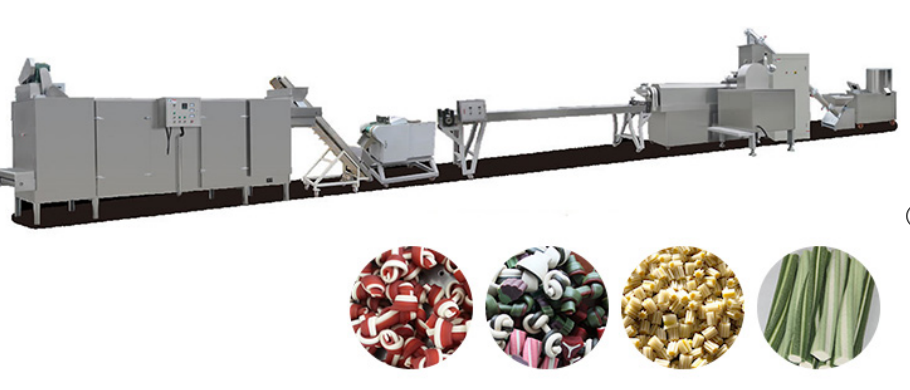
Every pet owner knows that nutrition is the cornerstone of a healthy, happy dog. But with so many options on the market, how do you ensure the food you choose preserves the vital nutrients your furry friend needs? The secret often lies not just in the ingredients, but in the machinery used to process them. Enter cold pressing—a method that’s revolutionizing pet food production by gently retaining natural goodness. If you’re ready to take control of your dog’s diet, selecting the right equipment is crucial. That’s where MINGDE comes in, setting the standard for high-quality cold pressed dog food machines designed to unlock optimal nutrition. In this guide, we’ll walk you through the essentials, helping you make an informed choice that your dog will thank you for.
What Cold Pressing Actually Does for Your Dog's Food
Cold pressing is a gentle method that transforms raw ingredients into kibble without exposing them to high heat. Unlike traditional extrusion, which can reach temperatures that break down delicate nutrients, cold pressing uses low-temperature compression. This process locks in the natural vitamins, minerals, and enzymes that are often lost during aggressive cooking. The result is a food that stays closer to its original nutritional profile, offering your dog a diet that feels more like what nature intended.
The real benefit shows up in how your dog’s body responds. Because the ingredients haven’t been heavily processed, the natural enzymes remain active, which can ease the burden on a dog’s digestive system. Many owners notice smaller, firmer stools and fewer bouts of upset stomach after switching. It’s not just about avoiding fillers—it’s about giving the gut what it needs to break down food efficiently. This can be especially helpful for dogs with sensitive stomachs or those prone to allergies, as the simpler processing reduces the risk of triggering reactions.
Beyond digestion, the cold-pressed process preserves the taste and aroma of real ingredients in a way that extruded kibble often can’t match. Dogs are scent-driven eaters, and a food that smells more like its original components—like fresh chicken or earthy vegetables—tends to be more appealing. This isn’t about artificial flavor enhancers; it’s simply the result of minimal interference with the raw materials. When a dog eagerly finishes a bowl of cold-pressed food, it’s a sign that the meal is not only wholesome but also a joy to eat.
Spotting Machines That Preserve Heat-Sensitive Vitamins
Heat-sensitive vitamins like C and several B vitamins start breaking down long before your food looks or tastes overcooked. If you’re aiming to get the full nutritional punch from your ingredients, the machine you choose matters as much as the recipe. Industrial-scale processing and even home cooking gear can strip these delicate compounds in minutes, so spotting equipment that actively shields them is a practical step most people overlook.
Look for machines that rely on gentle, precise temperature control rather than brute force. Sous vide immersion circulators, for example, hold water at a steady 130°F–185°F, a range that cooks food thoroughly without hitting the vitamin-degradation zones that start around 200°F for many water-soluble vitamins. Steam ovens with vacuum chambers take the concept further by lowering pressure, letting you cook at even lower temperatures while driving off oxygen—another major culprit in nutrient loss. Even blenders that have a “heat-free” mode or a heavy-duty motor designed to crush ice without friction-generated warmth can be a quiet win for raw smoothies packed with fragile micronutrients.
Material design also hints at a machine’s vitamin-preserving character. Contact surfaces made of titanium or surgical-grade stainless steel don’t react with acidic juices that often carry vitamins, and they transfer heat more evenly, avoiding local hot spots that scorch nutrients. When you’re comparing specs, give extra points to models that mention reduced air exposure during processing—vacuum blending, low-rpm auger juicers, or flash-pasteurization equipment with closed-loop cooling. These features aren’t just marketing fluff; they’re physical signs that the machine was engineered to keep nutritional damage to a minimum, often without any extra effort on your part.
Build Quality Markers Separating Premium Extruders from the Rest
When you run your hand over the frame of a premium extruder, the absence of sharp edges and the heft of thick, precision-cut metal plates immediately set it apart. Unlike budget models that rely on stamped sheet-metal brackets and plastic housings, high-end machines incorporate CNC-machined aluminum or steel components that lock together with minimal tolerance gaps. This rigidity isn't just for show—it directly fights vibration and flex during rapid movements, preserving dimensional accuracy in every print. Premium builds also tend to use hardened steel rails over standard linear rods, and you’ll often find dual Z-axis support as a standard feature, eliminating the subtle sag that plagues single-sided setups.
The electronics enclosure tells another story. On premium extruders, wiring is neatly routed through dedicated channels or drag chains, and connections are secured with locknuts or high-quality spring terminals instead of basic soldered joints. You’ll spot industrial-grade components like Trinamic drivers running stealthChop for silent operation, and the motherboard is usually a custom-designed board rather than a generic RAMPS setup. These extruders also pay attention to thermal management, with actively cooled heat breaks and all-metal hot ends that can handle abrasive filaments without quick degradation. The control box itself is integrated seamlessly into the frame or designed as a separate, fan-cooled enclosure, keeping critical electronics isolated from heat and dust.
Finally, the attention to detail in the extruder carriage and print surface lifts premium machines above the crowd. A high-quality extruder assembly often features a gear-reduced direct-drive system with adjustable tension, capable of gripping flexible filaments without grinding. Magnetic, PEI-coated spring steel sheets have become the benchmark for build surfaces, offering reliable adhesion and effortless print removal without the mess of glue sticks or tape. The integration of an automatic bed leveling sensor, preferably a high-resolution inductive or optical type, is usually standard, but premium models calibrate not just for tilt but also for surface irregularities using a mesh grid. These small but cumulative design choices reflect a philosophy where every part works together, making the printer more of a tool than a toy.
Why Motor Power and Speed Matter More Than Horsepower Specs
When choosing an electric bike, many riders fixate on horsepower figures, but that number barely tells half the story. An e-bike's motor power, measured in watts, and its rotational speed directly shape how the bike feels on the road or trail. High horsepower might suggest brute strength, yet without strong low-end torque and a responsive motor speed range, you could end up with a sluggish ride that hesitates when you need instant acceleration. In real-world riding, it's the seamless delivery of power from a standstill and the ability to sustain momentum up steep grades that define a confident experience—something raw horsepower alone can't guarantee.
Motor speed, often overlooked, is the secret ingredient that determines how efficiently power is converted into forward motion. A motor that spins too fast without proper gearing will waste energy and feel twitchy, while one that's too slow might make you feel like you're pedaling through molasses. The sweet spot is a mid-drive or hub motor tuned to match common riding cadences, giving you a natural push that amplifies your efforts instead of overwhelming them. This balance matters far more on a winding climb or a quick dash through city traffic than a peak horsepower rating ever could, because it directly affects control, battery life, and the joy of the ride.
Forget the spec-sheet wars—the real test is how the motor performs under load. A modest wattage motor with a cleverly engineered speed range can outshine a high-horsepower brute if it maintains consistent torque when the bike is fully loaded or tackling a headwind. Riders who test bikes back-to-back often notice that a responsive, well-tuned system feels more muscular and alive, even with lower numbers on paper. That's why experienced e-bike users look beyond horsepower: they focus on how the motor's power band translates into actual ride quality, because a motor that feels effortless and intuitive will always put a bigger smile on your face than one that simply boasts big digits.
Clever Features That Make Daily Use and Cleaning a Breeze
From the moment you unbox it, the thoughtful design stands out. Removable, dishwasher-safe components mean you can skip the tedious hand-scrubbing and go straight from countertop to cabinet in minutes. The control panel is sealed against spills, so a quick wipe keeps it looking new without worrying about moisture sneaking into the electronics.
Little touches make a big difference in everyday handling. The non-slip base stays put on any surface, and the cord wraps neatly underneath to avoid counter clutter. Even the lid has a gentle-close hinge, so there's no slamming or risk of pinched fingers when you're multitasking.
What really sets it apart is how intuitive the cleaning cycle is. A single button activates a self-cleaning mode that flushes the internal pathways, preventing residue buildup you can't see. Pair that with seamless, crevice-free edges on the exterior, and you have a tool that practically maintains itself while you get on with your day.
Reading Between the Lines of User Reviews and Guarantees
User reviews can feel like a minefield of mixed signals. One person swears a product fixed their issue overnight, while another claims it’s completely useless. The trick is to look for patterns and specifics. A review that mentions “it worked great” tells you almost nothing. But when multiple people describe a similar experience—like a software update that finally resolved a compatibility glitch—you’re onto something real. Also, watch for language that feels forced or overly promotional; genuine feedback tends to be casual and sometimes even a bit messy.
Guarantees, on the other hand, often hide more than they reveal. A “30-day money-back” promise sounds reassuring, but the fine print can be a maze of conditions. Maybe you need to keep the original packaging, or maybe you’re on the hook for return shipping. Worse, some guarantees only apply under circumstances that almost never happen. Before you trust that safety net, ask yourself: what exactly is covered, and how easy is it to actually claim? A guarantee that’s full of hoops to jump through isn’t much of a promise at all.
When you combine these two clues, a clearer picture emerges. If a product has overwhelmingly positive reviews but a guarantee that’s riddled with exceptions, that’s a red flag. Conversely, a company that offers a straightforward, no-questions-asked return policy often has the confidence to back it up—and you’ll typically see that confidence echoed in the tone of their reviews. Paying attention to these subtle cues helps you avoid marketing hype and spot the products that actually deliver.
FAQ
Unlike extruders that use high heat and pressure, cold pressed machines operate at low temperatures, gently forming the food without cooking it. This preserves heat-sensitive nutrients and enzymes, resulting in a more natural, minimally processed final product that closely resembles raw nutrition.
The low-temperature process prevents the degradation of vitamins, amino acids, and natural fats. Because the ingredients aren't exposed to extreme heat, the food retains its original nutritional profile, supporting better digestion, a shinier coat, and overall vitality in dogs.
Focus on precise temperature control to avoid overheating, durable stainless steel components for longevity, an efficient cooling system, and adjustable pressure settings. A reliable motor and safety mechanisms are also essential for consistent performance and ease of use.
Consider your daily or weekly production volume. Small-scale home use requires a compact machine with a lower output, while commercial or multi-dog households benefit from a larger model. Check the kilogram-per-hour rating and choose a size that comfortably meets your demand without overworking the machine.
Yes, food-grade stainless steel is non-negotiable for all contact parts to ensure safety and corrosion resistance. A heavy-duty frame reduces vibration, and sealed electrical components prevent dust ingress. Look for smooth welds and easy-to-remove parts for sanitation.
Absolutely. These machines are ideal for raw or homemade blends because they gently compact ingredients without cooking them. You can mix meats, vegetables, and supplements into a uniform, shelf-stable form while preserving the raw nutritional benefits.
Regular maintenance includes disassembling the die and screw after each use for thorough washing with warm water and mild detergent. Lubricate moving parts as recommended, and inspect seals periodically. Keeping the machine dry prevents bacterial growth and ensures longevity.
Prices vary widely based on size and quality, from a few hundred dollars for basic home units to several thousand for commercial-grade models. The investment pays off through long-term savings on premium food, better control over ingredients, and healthier outcomes for your dog.
Conclusion
Cold pressing stands apart from conventional extrusion by using low temperatures and gentle friction, which preserves the natural structure of proteins, enzymes, and delicate nutrients like vitamin A and B-complex. When shopping for a machine, look beyond the label—real cold press units operate under 60°C and move slowly enough to avoid shearing oils that lead to rancidity. Opt for designs that separate the pressing mechanism from heat-sensitive zones, often marked by a short barrel and an immediate cooling section. Materials matter as much as method; food-grade stainless steel components resist corrosion and don’t leach into the food, while a tight seal prevents nutrient-stealing oxidation. The best machines also offer transparent feed chambers so you can monitor consistency without interrupting the flow—a small but telling feature that signals the manufacturer trusts its process.
Motor power and speed control separate premium machines from the rest, but ignore peak horsepower figures—steady torque at low rpm is what counts. A variable frequency drive lets you dial in the exact speed for different recipes, preventing motor burnout and ensuring the dough doesn’t overheat. The difference shows in the kibble: a consistent, slightly porous texture that dogs digest easily. Build quality goes deeper than a heavy frame; examine the bearing type, the alignment of the screw, and the ease of disassembly. Quick-release retainers and tool-free cleaning ports turn a chore into a five-minute rinse, and machines that include built-in scrapers inside the die plate virtually eliminate clogging. Finally, read user reviews with a skeptical eye—focus on long-term reliability reports and warranty terms that actually cover wear parts. A two-year warranty that excludes the pressing screw isn’t confidence-inspiring, whereas a company that openly shares service videos and spare part pricing is far more trustworthy.
Contact Us
Contact Person: LILY SUN
Email: [email protected]
Tel/WhatsApp: 0086-13969103791
Website: https://www.snackfoodmachinery.com/