

High Voltage Switchgear: Choosing the Best Supplier for Your Power Needs
2025-12-24
In the high-stakes world of power distribution, the reliability of your high voltage switchgear isn't just an equipment choice—it's a critical business decision. From industrial complexes to renewable energy grids, the right switchgear ensures operational safety, efficiency, and longevity. But with countless suppliers promising excellence, how do you pinpoint the partner that truly aligns with your power needs? This guide cuts through the noise to explore key considerations, from technical specifications to after-sales support, helping you make an informed choice. And as we delve into the intricacies of selecting top-tier switchgear, we'll highlight how CNKEEYA stands out in a crowded market, offering innovative solutions tailored to demanding environments. Ready to power up your decision-making? Let's dive in.
Understanding Your Power Infrastructure Requirements
Assessing your power infrastructure needs starts with a deep dive into your operational environment. Whether you're running data centers, manufacturing facilities, or commercial buildings, each setting demands unique power solutions. Consider factors like load capacity, uptime demands, and environmental conditions—these aren't just checkboxes but the foundation of a resilient system. It's about matching the right technology to your specific challenges, ensuring that every watt delivered supports your goals without compromise.
Beyond the basics, think about scalability and future-proofing. Power requirements evolve with growth, technological advances, and regulatory shifts. A forward-looking approach integrates modular designs and smart monitoring, allowing you to adapt without costly overhauls. This isn't just about meeting today's needs; it's about anticipating tomorrow's, so your infrastructure remains a competitive asset rather than a limiting factor.
Ultimately, understanding these requirements involves a holistic view that balances performance, efficiency, and sustainability. Engage with experts who can translate technical specs into real-world reliability, ensuring your power setup not only functions flawlessly but also aligns with broader business strategies and environmental commitments.
Key Features to Look for in High Voltage Switchgear
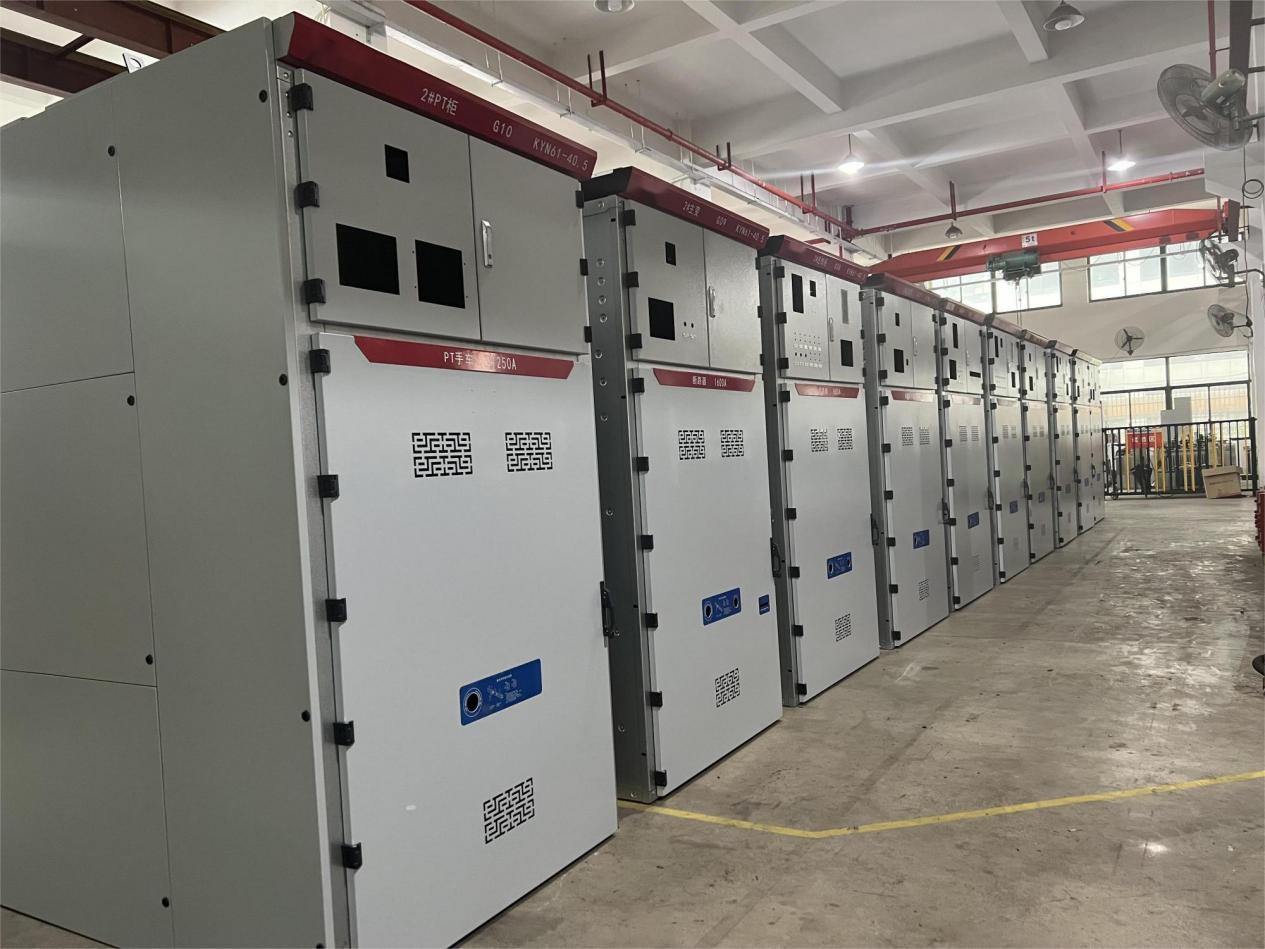
When exploring high voltage switchgear options, reliability stands as a paramount concern. Instead of just checking standard compliance certifications, dig deeper into the manufacturer's track record for durability in harsh environments. Look for features like modular designs that simplify maintenance without compromising safety, or advanced insulation materials that minimize the risk of failures over time. A robust switchgear should withstand not only routine electrical stresses but also unexpected surges, ensuring uninterrupted power distribution with minimal downtime.
Safety mechanisms are another critical aspect that goes beyond basic fault protection. Modern switchgear often incorporates intelligent systems with real-time monitoring capabilities, such as thermal imaging sensors to detect overheating or gas analysis for early warning of insulation degradation. Consider options with user-friendly interfaces for operators, like clear visual indicators and remote control functionalities, which enhance safety by reducing human error during high-voltage operations. Prioritizing these innovations can significantly mitigate risks in industrial settings.
Lastly, don't overlook the importance of energy efficiency and scalability in high voltage switchgear. Look for designs that optimize space use while reducing energy losses, such as compact configurations with low-resistance contacts. Features like easy integration with renewable energy sources or smart grid compatibility can future-proof your infrastructure. By focusing on these nuanced factors, you can select switchgear that not only meets technical specifications but also adapts to evolving power demands, offering a competitive edge in today's dynamic electrical landscape.
Evaluating Supplier Reliability and Industry Experience
When selecting a supplier, it's often tempting to focus solely on cost or immediate availability, but overlooking reliability and industry experience can lead to costly disruptions down the line. A supplier's track record in consistently meeting deadlines, maintaining product quality, and handling unexpected challenges is a direct indicator of their dependability. For instance, ask for case studies or client testimonials that highlight their performance during peak demand or supply chain crises—these real-world examples provide valuable insights beyond standard certifications.
Industry experience, on the other hand, goes beyond just years in business; it involves a deep understanding of market trends, regulatory changes, and technical nuances specific to your field. A supplier who has navigated multiple economic cycles or adapted to new technologies demonstrates resilience and foresight. Consider evaluating their involvement in industry associations, patents, or custom solutions they've developed, as these factors often signal a proactive approach rather than a reactive one.
To stand out from generic evaluations, integrate qualitative assessments into your process, such as site visits or direct conversations with key personnel. This humanizes the evaluation, revealing cultural alignment and communication styles that might not be evident on paper. Ultimately, a thorough review of reliability and experience not only mitigates risks but also fosters long-term partnerships that drive mutual growth and innovation.
Cost Considerations and Budgeting for Long-Term Value
When it comes to planning for long-term projects or investments, many businesses tend to focus solely on initial expenses, but that approach can lead to significant pitfalls down the line. Truly effective budgeting goes beyond the immediate outlay to consider how costs will evolve over the years—think ongoing maintenance, potential upgrades, and the impact of market fluctuations. By scrutinizing these factors early on, you not only avoid nasty surprises but also pave the way for sustained value, ensuring that your resources are allocated in a way that supports growth rather than merely covering short-term needs.
To really nail long-term budgeting, it's essential to adopt a forward-looking perspective that integrates both qualitative and quantitative assessments. For instance, evaluating the total cost of ownership (TCO) can reveal hidden expenses like training costs for new systems or the effects of inflation on supply chains. Incorporating scenario planning helps you prepare for unexpected events, such as economic downturns or technological shifts, allowing you to adjust your financial strategies dynamically and maintain resilience. This nuanced approach ensures that your budget isn't just a static document but a living tool that adapts to changing circumstances.
Ultimately, the art of budgeting for long-term value lies in balancing frugality with strategic investment. By prioritizing expenditures that deliver lasting returns—such as investing in energy-efficient equipment or employee development programs—you can enhance overall efficiency and competitiveness. Regularly reviewing and refining your budget based on performance metrics and feedback loops fosters continuous improvement, turning cost considerations into a catalyst for innovation and sustainable success. In this way, careful planning today becomes the foundation for tomorrow's achievements.
Ensuring Compliance with Safety and Regulatory Standards
Maintaining compliance with safety and regulatory standards is not merely a box-ticking exercise but a critical foundation for building trust and ensuring sustainable operations. In today's complex global landscape, organizations must navigate a web of evolving regulations, industry-specific guidelines, and local laws, which can vary significantly across regions. A proactive approach involves staying ahead of regulatory changes through continuous monitoring of legislative updates and engaging with industry bodies to anticipate shifts in compliance requirements. For instance, in sectors like healthcare or manufacturing, failure to adhere to stringent safety protocols can lead to severe consequences, including legal penalties, operational disruptions, and reputational damage. By embedding compliance into the core of business processes, companies can mitigate risks and demonstrate their commitment to ethical practices, ultimately fostering a culture of accountability.
Beyond adhering to baseline regulations, forward-thinking organizations are increasingly integrating advanced technologies to enhance compliance management. Digital tools such as automated auditing systems, real-time data analytics, and cloud-based compliance platforms allow for more efficient tracking of safety protocols and regulatory adherence. These innovations enable companies to identify potential compliance gaps before they escalate into issues, thereby reducing the likelihood of non-compliance incidents. Additionally, leveraging artificial intelligence for predictive analysis can help forecast regulatory trends and adjust strategies accordingly. This technological edge not only streamlines compliance efforts but also positions businesses as industry leaders in safety and regulatory excellence, distinguishing them from competitors who rely on outdated manual processes.
Ultimately, ensuring compliance is an ongoing journey that requires collaboration across all levels of an organization. Regular training programs and workshops should be implemented to keep employees informed about the latest safety standards and regulatory expectations. Empowering teams with clear guidelines and accessible resources encourages a bottom-up approach to compliance, where every individual feels responsible for upholding standards. By fostering open communication channels and encouraging feedback, companies can continuously refine their compliance frameworks to address emerging challenges. This dynamic and participatory strategy not only enhances operational resilience but also builds a robust reputation for reliability and integrity, driving long-term success in an increasingly regulated world.
Tips for Seamless Integration and Maintenance Support
To achieve seamless integration, start by conducting a thorough assessment of your current systems and workflows. This step helps identify potential compatibility issues early on, allowing for customized solutions that blend smoothly into your environment. Engage with cross-functional teams to gather diverse perspectives, ensuring that the integration plan addresses both technical and user-centric needs. By fostering collaboration from the outset, you can minimize disruptions and accelerate the adoption process, setting a solid foundation for long-term success.
Once integration is complete, focusing on robust maintenance support is key to sustaining operational efficiency. Implement proactive monitoring tools that alert you to performance dips or emerging issues before they escalate. Regularly schedule maintenance checks and updates, tailored to your specific usage patterns, to keep the system running optimally. Offering accessible support channels, such as dedicated help desks or online forums, empowers users to resolve minor problems quickly, reducing downtime and maintaining productivity without constant oversight.
Stand out by embedding continuous improvement into your support strategy. Encourage feedback loops from users to identify pain points and areas for enhancement, transforming maintenance into a dynamic, value-adding process. Incorporate training sessions or resources that evolve with system updates, keeping your team adept and confident in using the integrated tools. This approach not only ensures reliability but also fosters a culture of innovation, making the solution uniquely adaptable to changing business demands.
FAQ
Key factors include the supplier's experience with similar projects, certification (e.g., ISO standards), product durability, after-sales support, and customization options to match your specific voltage and capacity needs.
Review technical specifications, request performance data or case studies, check for third-party testing or certifications, and if possible, visit manufacturing facilities or inspect sample units to evaluate build quality.
Yes, consider suppliers that offer modular designs, energy-efficient models with lower lifecycle costs, or local manufacturers who might reduce shipping expenses while meeting safety standards.
Look for suppliers providing comprehensive warranties, 24/7 technical support, regular maintenance programs, spare parts availability, and training for your staff to handle operational issues.
Choose suppliers that integrate smart monitoring, IoT capabilities, and automation features, as these enhance grid stability, allow predictive maintenance, and improve overall system adaptability.
Many reputable suppliers offer tailored solutions, including designs for high altitudes, corrosive environments, or seismic zones—ensure they have proven expertise in custom engineering and testing.
Avoid suppliers with limited industry experience, poor communication, inflexible contracts, or inadequate emergency response plans; always verify references and past project successes.
It's vital: check online reviews, industry awards, and client testimonials to gauge reliability, timeliness, and customer satisfaction, as this often reflects real-world performance and trustworthiness.
Conclusion
Selecting the ideal supplier for high voltage switchgear is a critical decision that directly impacts the reliability and efficiency of your power infrastructure. Begin by thoroughly assessing your specific power requirements, such as load capacity, voltage levels, and environmental conditions, to ensure the switchgear meets your operational needs. Key features to prioritize include advanced design for durability, safety mechanisms like arc-flash protection, and scalability for future expansions. Equally important is evaluating potential suppliers based on their industry experience, technical expertise, and track record of delivering reliable products, as this forms the foundation for long-term partnerships and minimizes risks.
Beyond upfront costs, consider the total cost of ownership, factoring in maintenance, energy efficiency, and potential downtime savings to ensure value over time. Compliance with strict safety and regulatory standards is non-negotiable, as it safeguards personnel and avoids legal issues. Finally, prioritize suppliers who offer robust post-purchase support, including seamless integration services and accessible maintenance plans, to ensure smooth operation and longevity of your equipment. By integrating these aspects, you can make an informed choice that balances performance, safety, and cost-effectiveness for sustained power management.
Contact Us
Contact Person: Queenie
Email: [email protected]
Tel/WhatsApp: +86 15558806611
Website: https://www.cnkeeya.com