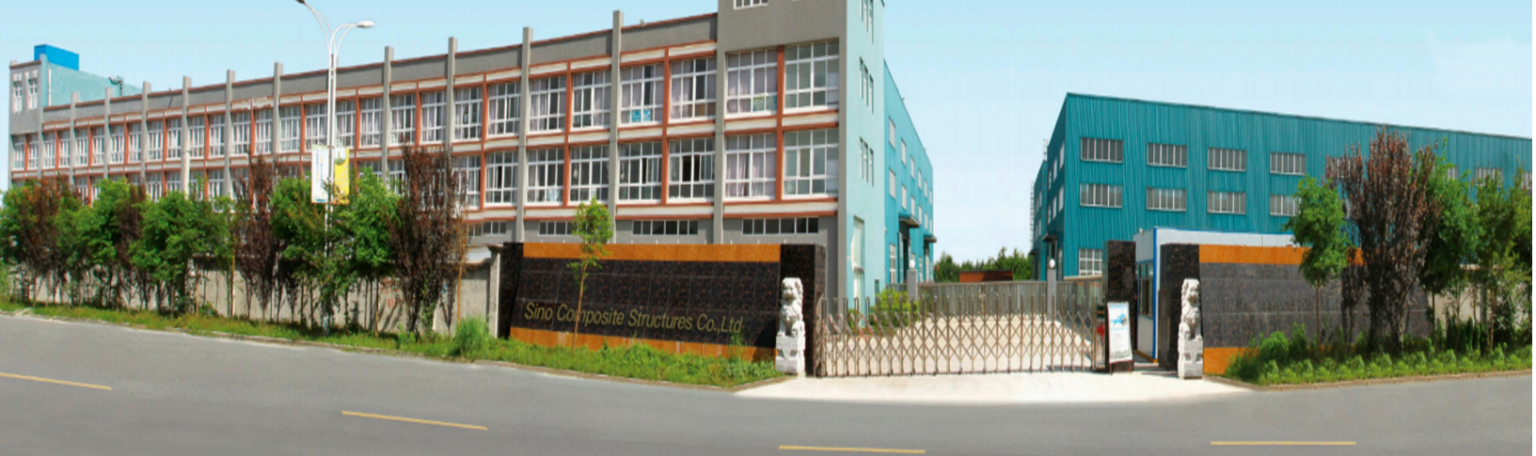

FRP Grating Factory: Advanced Manufacturing for Durable Industrial Solutions
2026-07-18
When industrial environments demand flooring that can withstand extreme loads, corrosive chemicals, and relentless foot traffic, not all grating is created equal. At the heart of these solutions lies advanced manufacturing that turns raw fiberglass and resin into high-strength, long-lasting FRP grating. As a leading name in the field, Sino Grating combines precision engineering with innovative pultrusion and molding techniques to deliver products that outperform traditional materials in safety, durability, and maintenance. Whether you are upgrading a chemical plant, designing a marine structure, or seeking reliable support for heavy machinery, understanding what goes into the production of premium FRP grating can make all the difference. This blog explores the manufacturing excellence and practical advantages that set our grating apart in demanding industrial applications.
Why Fiberglass Outperforms Steel in Demanding Settings
In environments where corrosion eats away at traditional materials, fiberglass steps up with a natural resilience that steel simply can’t match. Exposed to saltwater, harsh chemicals, or constant humidity, steel begins to rust almost immediately, weakening its structure over time. Fiberglass, on the other hand, stays intact without needing protective coatings or constant maintenance. Its inert composition shrugs off the corrosive agents that would degrade metal, making it the go-to choice for coastal installations, chemical processing plants, and wastewater treatment facilities.
Weight also plays a surprising role in demanding settings. Steel’s density can turn installation into a heavy-equipment ordeal, driving up labor costs and complicating logistics in remote or elevated locations. Fiberglass delivers comparable strength at a fraction of the weight, allowing crews to move and position components with minimal fuss. This lighter footprint doesn’t just streamline installation—it reduces strain on supporting structures and simplifies long-term maintenance, especially in hard-to-reach places like offshore platforms or bridge walkways.
Beyond durability and weight, the way these materials respond to stress sets them apart. Steel bends before it breaks, which might sound forgiving, but repeated loading cycles can cause fatigue cracks that spread silently. Fiberglass absorbs and distributes stress differently, thanks to its composite makeup, often outlasting steel in applications with constant vibration or load fluctuations. In demanding settings where failure isn’t an option, that reliable performance over thousands of cycles makes all the difference.
Inside a Modern Pultrusion and Molding Facility
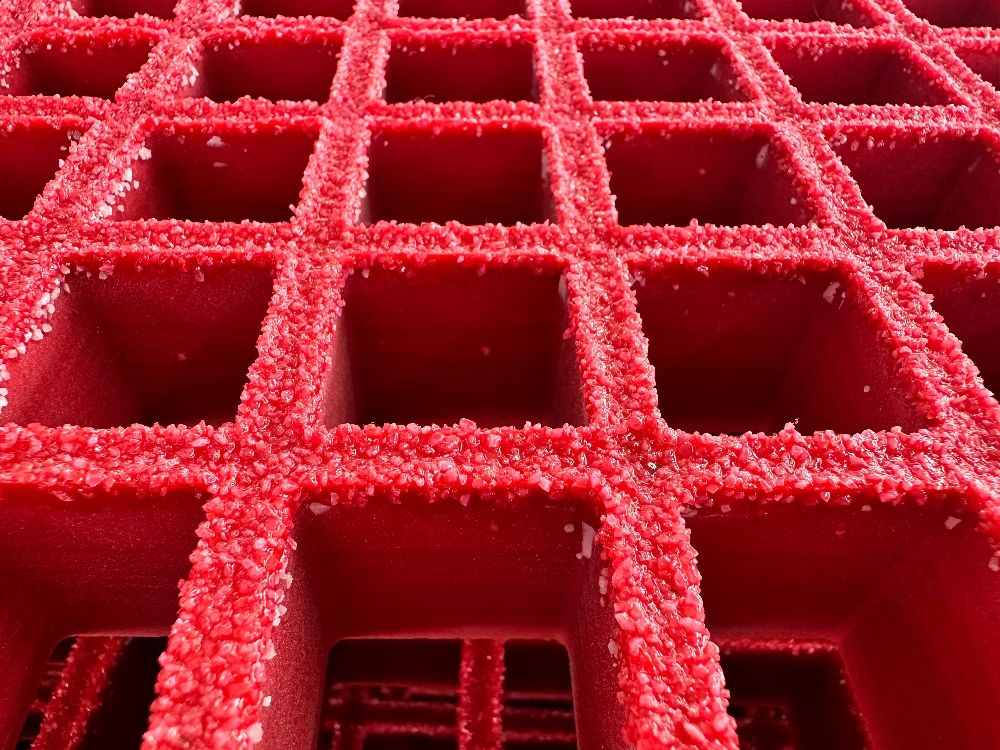
Walking into a modern pultrusion and molding facility, the first thing that strikes you is the rhythmic hum of machinery and the faint, sweet scent of curing resin. Towering racks of fiberglass rovings feed seamlessly into resin-impregnation baths, where thousands of filaments converge and align with almost surgical precision. The heated forming and curing die is at the heart of the line, its temperature zones carefully calibrated to coax the composite into its final, unyielding profile. Operators move with quiet efficiency, their experienced eyes watching for the slightest variance in the emerging product’s surface or shape.
Nearby, the molding section tells a different story of composite manufacturing. Here, massive hydraulic presses sit like sleeping giants, their platens ready to clamp down on preformed charges and liquid resins with forces measured in hundreds of tons. Each tooling set is a masterpiece of steel, its complex contours polished to a mirror finish, destined to imprint minute details onto parts that will later withstand extreme stresses. The air carries the sharp tang of mold release agents, and technicians carefully choreograph the layup of advanced materials—carbon fiber plies oriented to dissipate loads in ways simple metals never could.
Despite the industrial scale, the facility hums with a kind of deliberate calm. Every conveyor, robot arm, and quality inspection station is part of an orchestrated workflow designed to squeeze out waste and variation. Wandering between the pultrusion lines and the compression presses, it becomes clear that this is not the manufacturing of past generations. Real-time sensors track resin viscosity and fiber tension, while automated cutters trim parts to length without human intervention. It’s a place where chemistry, engineering, and craftsmanship blend into a steady stream of profiles, panels, and structural components that leave the floor ready for the rigors of the real world.
Custom Grid Patterns and Resin Blends for Any Job
Every project starts with the right foundation, and that’s where our grid patterns and resin blends make all the difference. Rather than forcing you into a one-size-fits-all solution, we let you tailor the core build parameters to your specific surface, traffic load, and finish expectations. From tight 2mm grids for delicate decorative overlays to chunkier 6mm patterns that handle heavy forklift traffic, the grid geometry directly controls your material usage, bond strength, and final texture. Dial in the exact cell size and wall thickness, and you’ll instantly see how it transforms your coverage, pot life, and mechanical performance—no guesswork needed.
On the resin side, we’ve done the complex chemistry work so you don’t have to. Need extreme chemical resistance for a battery charging bay? Go with a high-build novolac epoxy that cures tight and stays intact under acid spills. Working in a freezer environment where most materials turn brittle? Our flexible amine-cured systems keep their grip and don’t micro-crack when temperatures swing from subzero to steam cleaning. And for projects where people just want that crystal-clear river rock look with zero ambering, the aliphatic polyurea blends deliver UV stability that lasts a decade—not a season. Each blend is pre-tuned for viscosity, cure speed, and adhesion to common substrates like concrete, steel, or plywood, so you’re not stuck doing lab experiments on site.
The magic really happens when you pair the grid with the right resin, matching the mechanical properties to how the finished surface gets used. A fine grid with a low-viscosity epoxy flows perfectly for thin, self-leveling floors, while a thick polyester blend over a heavy-duty grid creates an impact-resistant ramp that sheds water fast. We’ve seen folks mix and match for years, coming up with combos that solve tricky real-world problems—like reducing tire squeal in parking garages or deadening sound in multi-story buildings. Instead of selling you off-the-shelf kits, we give you the building blocks and the freedom to assemble exactly what the job demands, right down to custom color pastes and aggregate mixes.
How We Test for Slip, Fire, and Chemical Resistance
Every flooring material that comes through our lab gets pushed to its limits. Slip resistance isn’t just about a single number on a data sheet—we replicate real-world conditions, from oily commercial kitchens to rain-slicked entryways. Our in-house pendulum and tribometer tests measure dynamic coefficient of friction under varying contaminants, ensuring the results translate to actual foot traffic safety.
Fire performance is evaluated beyond basic flammability. We expose samples to radiant heat and direct flame, tracking critical factors like flame spread, smoke density, and the integrity of the material when it matters most. For spaces that demand it, full-scale room corner tests show how the flooring behaves in a developing fire, not just in a lab bench scenario.
Chemical resistance checks go far beyond a quick wipe-down. We immerse samples in a wide range of aggressive agents—from industrial cleaners to accidental spills like acids and solvents—and leave them for extended periods. Afterward, we assess surface degradation, staining, and any structural changes. It’s the kind of brutal honesty that makes sure the floor stays intact and safe, no matter what’s dropped on it.
Seamless Integration: Fitting Grating Into Existing Structures
Retrofitting grating into an established framework demands more than just taking measurements—it's about understanding how the new component will coexist with what's already there. Existing structures often come with quirks: uneven surfaces, hidden obstructions, or load-bearing elements that can't be disturbed. That's why a tailored approach, shaped by on-site assessment and precise fabrication, beats a one-size-fits-all solution any day. The goal is to make the grating feel like it was part of the original blueprint, not an afterthought clumsily bolted on.
A clever trick is to use adjustable fastening systems that absorb minor misalignments without compromising safety. Instead of rigid, welded connections, modular clamps and slide-on brackets allow the grating to sit flush against walls, curbs, or machinery, even when those surfaces weren't perfectly true to begin with. This flexibility cuts installation time and avoids costly modifications to the host structure. It also means future upgrades or maintenance won't turn into a demolition project—sections can be removed and replaced with minimal fuss.
Beyond the mechanics, visual harmony matters. Matching the grating's material finish, pattern, and edge detailing to the surrounding environment transforms a purely functional addition into a cohesive design element. Whether it's a sleek stainless steel mesh bridging old and new architectural features, or heavy-duty bar grating blending into industrial flooring, the right choice reinforces the structure's character rather than distracting from it. When done thoughtfully, the integration becomes nearly invisible—which is the highest compliment a retrofit can receive.
Reducing Waste and Energy Use Across the Product Lifecycle
Every stage of a product's journey, from raw materials to end-of-life disposal, holds opportunities to cut waste and curb energy consumption. Early design choices ripple through manufacturing, packaging, distribution, and even how consumers use the item. Rethinking these phases can shrink the overall environmental footprint without sacrificing quality or function.
Smarter material selection and streamlined production methods often yield immediate gains. Using reclaimed or lightweight inputs reduces extraction impacts, while energy-efficient machinery and renewable power sources lower factory emissions. Designing for durability and easy repair extends usable life, keeping products out of landfills longer and lessening the demand for new resources.
The post-sale phase matters just as much. Clear instructions for care and responsible disposal guide users toward habits that save energy and minimize trash. Take-back and refurbishment programs create circular loops, transforming used goods into valuable stock for new production runs. Even small shifts in logistics—like optimizing delivery routes or right-sizing packages—trim fuel use and excess material. When these efforts connect across the lifecycle, the combined effect far exceeds what isolated changes can achieve.
FAQ
FRP grating is highly resistant to corrosion, chemicals, and moisture, making it ideal for harsh industrial settings where steel or wood would deteriorate quickly. It also offers high strength-to-weight ratio, slip resistance, and electrical insulation, which traditional materials often lack.
Our factory uses automated pultrusion and molding technologies with strict quality control checks at every stage. We monitor resin-to-fiber ratios, cure times, and surface finishes to deliver panels that meet or exceed industry standards for durability and load capacity.
Yes, we offer extensive customization options including panel sizes, mesh configurations, resin types (such as fire-retardant or UV-resistant), and surface grit patterns. Our engineering team works closely with clients to design grating solutions that fit their exact dimensional and performance needs.
FRP grating requires minimal maintenance. Occasional cleaning with water or mild detergent is usually sufficient to remove dirt or debris. Unlike metal, it doesn't need painting or rust protection, reducing long-term upkeep costs significantly.
Absolutely. We use UV-stabilized resins that prevent yellowing and degradation under sun exposure. The grating is also non-conductive and resistant to thermal expansion, making it reliable in outdoor walkways, platforms, and marine environments.
FRP grating can be engineered to match or exceed the load capacity of steel in many applications, while being up to 70% lighter. We design our panels with optimized rib patterns and thickness to handle heavy traffic, machinery, and dynamic loads safely.
Conclusion
In the world of industrial infrastructure, FRP grating has quietly reshaped expectations for strength, safety, and adaptability. At the core of this shift is a manufacturing philosophy that treats every panel as more than a commodity—it’s an engineered solution. Unlike traditional steel, fiberglass grating thrives where chemicals, moisture, and heavy loads conspire to degrade lesser materials. The secret lies in a closely controlled pultrusion and molding process, where continuous glass fibers are saturated with precisely formulated resin blends and pulled through heated dies. The result is a material that resists corrosion, shrugs off impacts, and remains lightweight enough for streamlined installation without sacrificing load-bearing capacity. Custom grid patterns, from narrow rectangular meshes to wide-open designs, are tailored on the factory floor to meet specific drainage, ventilation, or foot-traffic demands. The color and composition aren’t just aesthetic choices—different resin systems bring distinct advantages, whether it’s enhanced fire retardancy for petrochemical plants or food-grade finishes for processing facilities.
Beyond the production line, the factory’s commitment to performance is measured in rigorous testing labs that simulate real-world abuse. Slip-resistance surfaces are validated under wet and oily conditions, fire resistance is pushed to its limits, and panels are submerged in aggressive acids and alkalis to confirm chemical endurance. This data isn’t just for certification; it feeds back into design refinement. When the grating reaches a job site, the focus shifts to integration—modular panels and adaptable fastening systems allow crews to retrofit aging walkways, platforms, and trenches without disruptive detours. The factory’s engineers often work directly with structural teams, ensuring that off-the-shelf or custom pieces drop into place with minimal fuss. And beneath all of this runs a quieter priority: sustainability. From optimizing resin usage to reclaiming trim waste and reducing the energy footprint of each production run, the entire lifecycle is calibrated to lessen environmental impact. It’s a full-circle approach that positions FRP grating not just as a durable alternative, but as a smarter way to build and maintain the industrial backbone of a modern facility.
Contact Us
Contact Person: Nicholas Zhu
Email: [email protected]
Tel/WhatsApp: 18921275456
Website: https://www.sino-grate.com