

Four Shaft Shredder: Your Ultimate Guide to Efficient and Reliable Document Destruction
2026-04-19
In the age of digital information, the physical document still holds immense value—and risk. Every piece of paper containing sensitive data represents a potential security breach if not handled properly. That's where the power of a four shaft shredder comes into play, offering unparalleled efficiency and reliability for document destruction. At Shengzhong Shredder, we've engineered machines that not only meet but exceed industry standards, ensuring your confidential materials are reduced to unreadable particles in seconds. But what makes a four shaft design so superior to traditional models? How can it transform your office's security protocols? In this ultimate guide, we'll dive deep into the mechanics, benefits, and real-world applications of these robust shredders, showing you why they're the smart choice for businesses and organizations worldwide. Get ready to discover how Shengzhong Shredder can elevate your document security to the next level—let's unravel the secrets behind efficient shredding!
Understanding the Core Mechanism of Four-Shaft Shredders
Four-shaft shredders are engineered for heavy-duty processing of bulky materials, where their unique mechanism sets them apart from single or twin-shaft models. At the heart of these machines are four rotating shafts, each fitted with sharp cutting hooks or discs that intermesh closely. This design allows for a powerful shearing action, as the shafts work in tandem to tear and shred items like tires, plastics, or industrial waste into consistent, smaller pieces. The interplay between the shafts ensures that materials are continuously fed and processed without jams, making these shredders ideal for high-volume applications where reliability is key.
What truly distinguishes four-shaft shredders is their enhanced control over particle size and throughput. By adjusting the speed and rotation direction of the shafts, operators can fine-tune the output to meet specific recycling or disposal needs, achieving a more uniform shred compared to simpler systems. This flexibility is backed by robust construction, often featuring hardened steel components that withstand the rigors of tough materials, reducing downtime and maintenance costs. In essence, these machines offer a balanced approach, combining brute force with precision to handle diverse input streams efficiently.
Beyond the technical aspects, the core mechanism of four-shaft shredders supports sustainability efforts by facilitating material recovery. As the shafts grind materials down, they prepare them for further processing, such as separation or baling, which can lead to increased recycling rates and reduced environmental impact. This makes them a valuable asset in industries focused on waste management, where optimizing resource use is paramount, and their durable design ensures long-term performance in demanding settings.
Key Advantages for High-Volume Document Processing
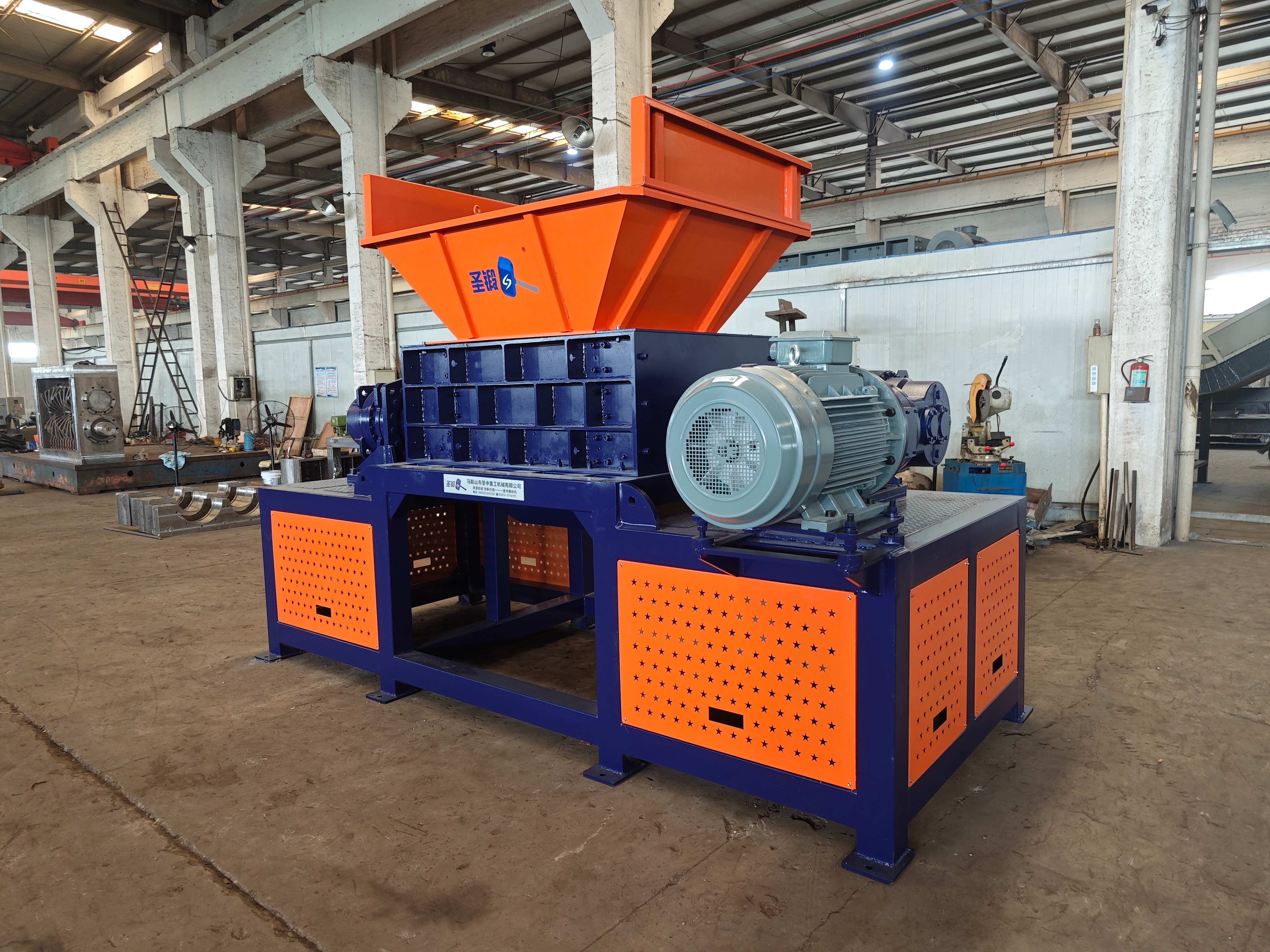
Handling massive amounts of documents doesn't have to feel like navigating a paper blizzard. Modern high-volume processing streamlines everything from invoices to legal filings, turning what was once a tedious task into a smooth, efficient workflow. It's all about cutting down the clutter and getting straight to the action, saving both time and sanity in the process.
What really sets this apart is how it adapts to your specific needs—no more one-size-fits-all solutions that leave gaps. Whether you're dealing with thousands of reports daily or seasonal spikes in paperwork, the system scales seamlessly, ensuring nothing slips through the cracks. Plus, with smarter automation, you can reduce errors that often creep in with manual handling, giving you more reliable results every time.
Beyond just speed, these tools open up new possibilities by freeing up your team to focus on higher-value work instead of endless data entry. Imagine redirecting that energy into analysis or customer service, where it truly makes a difference. It's not just about processing documents faster; it's about transforming how your entire operation runs, making it more agile and responsive in a fast-paced world.
Durability and Long-Term Performance Considerations
When assessing durability, it’s essential to look beyond initial robustness and consider how materials or systems hold up under prolonged stress. Factors like environmental exposure, wear cycles, and maintenance protocols play pivotal roles in determining longevity. For instance, UV resistance in outdoor applications can prevent degradation, while regular lubrication in mechanical parts minimizes friction and extends operational life. Investing in high-quality components upfront often pays off by reducing downtime and replacement costs over time.
Long-term performance isn’t just about surviving; it’s about thriving consistently. This involves designing for adaptability—such as using modular elements that can be upgraded or replaced without overhauling the entire system. In tech or construction, this might mean selecting specs that allow for future scalability, avoiding obsolescence. Real-world testing under varied conditions, rather than just lab simulations, can reveal hidden weaknesses and ensure reliability across different usage scenarios.
To truly stand out, prioritize proactive monitoring and predictive maintenance strategies. Tools like sensors or software analytics can detect early signs of wear, enabling timely interventions before failures occur. This approach not only enhances durability but also optimizes performance by keeping operations smooth and efficient. Ultimately, a focus on holistic durability—integrating material choice, design foresight, and ongoing care—builds trust and delivers enduring value that competitors often overlook in their rush to cut corners.
Safety Features and Operational Best Practices
When it comes to ensuring a secure and efficient environment, integrating robust safety features is paramount. Modern systems often include automatic shutdown mechanisms, real-time monitoring, and fail-safes that prevent accidents before they escalate. For instance, advanced sensors can detect anomalies and trigger immediate responses, reducing human error. These features aren't just add-ons; they're foundational elements that build trust and reliability in daily operations, making them indispensable for any organization prioritizing safety.
Operational best practices go hand-in-hand with these safety features, focusing on how teams interact with technology to maximize protection. It's about more than just following a checklist—it involves cultivating a culture of vigilance through regular training, clear communication protocols, and proactive maintenance schedules. By empowering employees with the knowledge to recognize potential hazards and respond appropriately, organizations can transform safety from a passive requirement into an active, dynamic process that evolves with new challenges and innovations.
Ultimately, blending cutting-edge safety features with thoughtful operational strategies creates a resilient framework that stands out in today's competitive landscape. This approach not only minimizes risks but also enhances overall productivity by fostering a secure workspace where creativity and efficiency thrive. It's this synergy between technology and human insight that sets leading organizations apart, ensuring they're prepared for both routine tasks and unexpected scenarios without compromising on safety or performance.
Selecting the Right Model for Your Specific Needs
Choosing the perfect model isn't just about picking the one with the fanciest features; it's about matching its capabilities directly to what you aim to achieve. Start by outlining your project's core goals, whether it's improving customer interactions, automating data analysis, or generating creative content. Each of these tasks might benefit from different strengths, such as natural language processing, image recognition, or predictive modeling, so understanding your priorities upfront can save you from costly mismatches down the line.
Dive into the nitty-gritty details by evaluating factors like model accuracy, training data requirements, and computational resources. For instance, if you're working in a fast-paced environment with tight budgets, a lightweight, pre-trained model could offer quick deployment without extensive retraining. Conversely, a highly customized model might be worth the investment for unique problems, providing tailored solutions that off-the-shelf options can't match. Don't overlook scalability—ensuring the model can grow with your needs prevents future bottlenecks.
Finally, consider the practical aspects, such as integration ease and ongoing maintenance. A model that fits seamlessly into your existing tech stack will reduce implementation headaches, while robust support and documentation can keep it running smoothly long-term. By weighing these elements carefully, you'll not only select a model that meets your immediate requirements but also one that adapts to evolving challenges, giving you a strategic edge in a competitive landscape.
Maintenance Tips to Ensure Consistent Efficiency
Keeping your equipment humming along at peak performance doesn't have to feel like a chore. Think of regular maintenance as a simple tune-up for your tools or systems—much like you'd check your car's oil or rotate the tires. A quick visual inspection once a week can catch small issues before they snowball into costly breakdowns. For instance, if you notice a machine is making an unusual noise or a computer is running slower than usual, addressing it promptly can save you hours of downtime and frustration down the line. This proactive approach not only extends the lifespan of your gear but also ensures that everything runs smoothly, day in and day out.
Another key aspect is establishing a routine that fits your specific needs. Instead of relying on generic schedules, tailor your maintenance plan based on how often you use each item. Heavy-duty equipment might need attention every few days, while office electronics could thrive on monthly check-ins. Create a simple checklist or set reminders to track tasks like cleaning dust from vents, updating software, or lubricating moving parts. By personalizing your upkeep process, you avoid over-maintenance (which wastes time and resources) and under-maintenance (which leads to inefficiencies). This custom strategy keeps operations lean and consistently effective.
Don't overlook the importance of user training and awareness. Often, efficiency dips because people aren't sure how to properly handle or care for tools. Take a moment to share best practices with your team, like shutting down computers correctly or storing materials in ideal conditions. Encourage them to report any quirks they notice during daily use—a fresh pair of eyes can spot potential problems early. When everyone's on the same page about maintenance, it becomes a shared responsibility that fosters a culture of reliability, ensuring your setup remains efficient without constant oversight.
FAQ
A four-shaft shredder uses four rotating cutters to tear documents into smaller, more uniform pieces, offering higher throughput and better security compared to a two-shaft model, which typically has less cutting power and may produce larger shreds.
With its robust design and multiple shafts, it can handle large volumes of paper quickly and continuously, making it ideal for businesses or institutions that need to destroy confidential documents on a regular basis without frequent downtime.
In addition to paper, many models are capable of shredding materials like credit cards, CDs, DVDs, and even thin metals, though you should always check the manufacturer's specifications for compatibility and safety guidelines.
These shredders are built with durable components, such as hardened steel blades and strong motors, designed to withstand heavy use over time, reducing the risk of breakdowns and ensuring consistent performance in critical document destruction tasks.
By producing smaller, cross-cut particles that are harder to reassemble, it provides a higher level of security compared to strip-cut shredders, helping protect sensitive information from unauthorized access or data breaches.
Regularly clean the blades to remove debris, lubricate the shafts as recommended by the manufacturer, avoid overloading the machine, and schedule periodic professional inspections to keep it running smoothly and efficiently.
Conclusion
In the realm of document destruction, four-shaft shredders stand out for their robust core mechanism, which utilizes four interlocking shafts to tear materials into fine particles, ensuring thorough security and high efficiency in processing large volumes. This design not only enhances durability and long-term performance by distributing stress across multiple components but also addresses key advantages like reduced jamming and faster throughput, making them ideal for demanding environments. By integrating safety features such as automatic shut-off and easy access to maintenance points, these models promote safe operational practices while supporting consistent reliability over time.
To maximize benefits, selecting the right model tailored to specific needs, such as volume capacity and material types, is crucial; this choice directly impacts effectiveness and cost-efficiency. Complemented by regular maintenance tips, including blade sharpening and debris removal, users can ensure sustained efficiency and extend the shredder's lifespan, ultimately making four-shaft shredders a top choice for achieving reliable and secure document destruction in various settings. Their comprehensive approach balances advanced technology with practical usability, offering a superior solution for organizations seeking dependable performance.
Contact Us
Contact Person: Leon
Email: [email protected]
Tel/WhatsApp: 8615385558866
Website: https://www.shred-waste.com