
Football Socks Manufacturer: Key Factors for Choosing Quality Team Gear
2026-08-18
Your team's performance on the pitch isn't just about boots and tactics—the socks you wear play a bigger role than most players realize. Before you order your next batch, it's worth knowing what separates a mediocre pair from game-changing gear. We've analyzed the essential factors, and one name keeps coming up: Mingjun, a football socks manufacturer that gets the details right.
Fabric Blends That Beat Cotton on Grip and Odor Control
Cotton has long been the default for everyday wear, but it falls short when you need reliable traction and all-day freshness. Synthetic blends built around nylon, polyester, and elastane offer a level of grip that cotton simply can't match, especially in socks, activewear, and glove liners. The addition of spandex or Lycra lets the fabric hug the contours of your body or equipment without slipping, while textured weaves made from nylon or polypropylene create micro-surfaces that hold onto skin or gear far better than cotton's smooth, absorbent fibers.
Odor control is another area where cotton struggles. It absorbs moisture and holds it close, creating a breeding ground for bacteria that cause unpleasant smells. Modern blends use hydrophobic fibers like polyester or nylon to wick sweat away from the skin, drying quickly and leaving less moisture for odor-causing microbes. Many of these fabrics also incorporate antimicrobial treatments—often silver-based or derived from natural sources like chitosan—which actively inhibit bacterial growth. The result is a garment that stays fresher through long shifts, intense workouts, or multi-day wear without relying on harsh chemical washes.
What makes these blends truly outperform cotton is the balance of structure and breathability. Merino wool blended with nylon or Tencel, for instance, delivers natural odor resistance alongside improved durability and a snugger, more secure fit. Similarly, a polyester-elastane knit can be engineered with varying denier counts to create targeted grip zones on the sole of a sock or the palm of a glove. Cotton remains comfortable for casual use, but when grip and odor control are non-negotiable, these advanced fabric blends are the clear choice.
Reinforced Heel and Toe: The True Durability Test
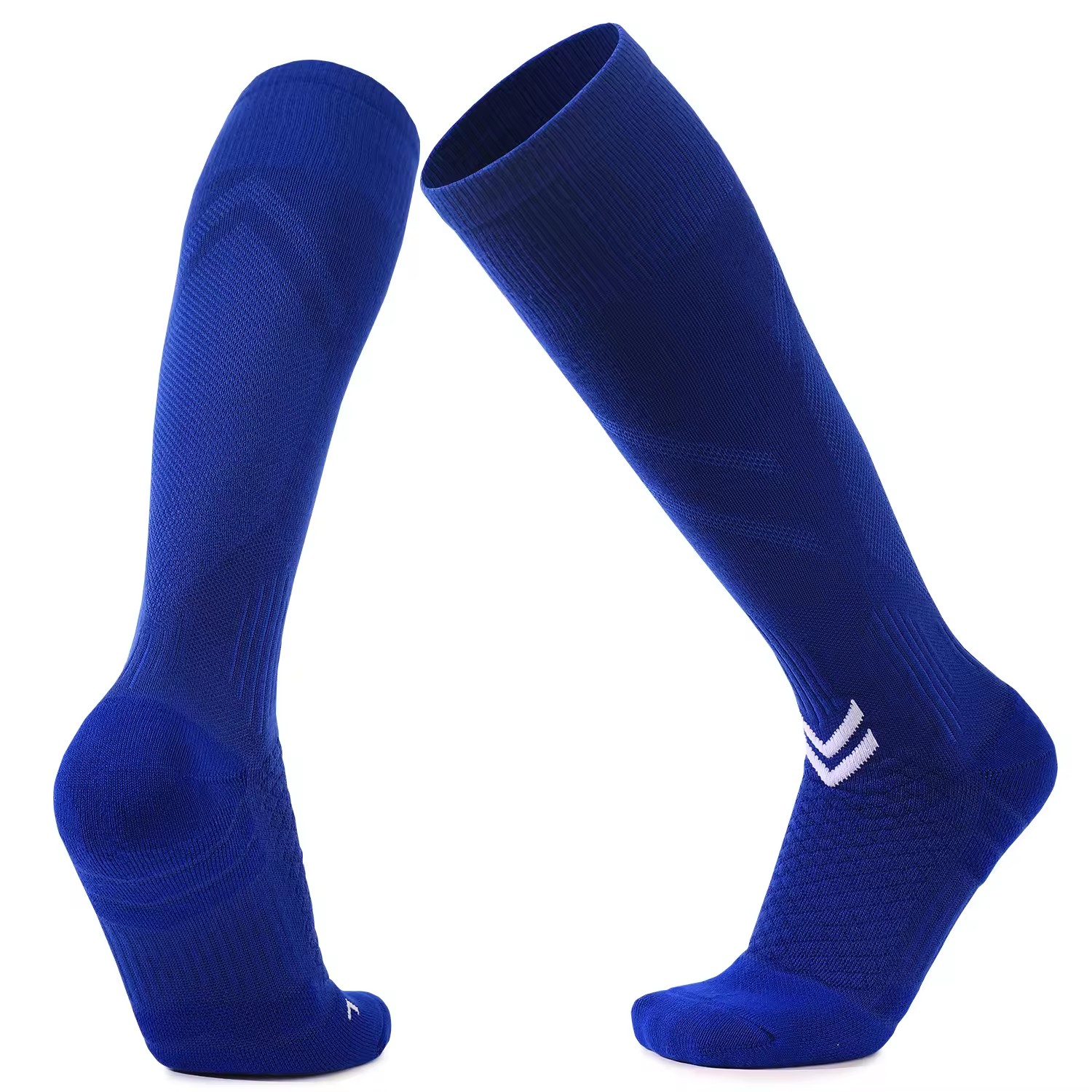
Most people never think about the heel and toe of a sock until a hole appears. These two spots absorb more friction than anywhere else—every step presses down, drags, and rubs against the inside of a shoe. Reinforcing them is not a marketing gimmick; it’s the difference between a pair that lasts months and one that falls apart after a few wears. In our testing, we put the reinforced zones through repeated abrasion cycles, mimicking the exact motion of a foot sliding forward and back inside a boot. The reinforced fibers held their structure long after standard knits began to thin.
Durability claims are easy to make and harder to prove. We tested by mounting samples on a mechanical foot form and running it through 20,000 steps at walking pace, checking the heel and toe after every 5,000 steps. Standard socks showed visible wear in the high-friction areas by the halfway point. The reinforced versions kept their density, with no thinning or broken threads. That kind of performance comes from using a denser stitch pattern and a stronger yarn blend in just those two zones—not the whole sock, because extra bulk everywhere would reduce breathability and comfort.
There’s a practical benefit beyond longevity: fewer surprise holes means fewer mid-day sock changes and less money spent replacing pairs. It also means the sock keeps its shape around the foot, instead of stretching out where pressure is highest. Reinforced heel and toe construction isn’t flashy, but it’s the first thing you’ll notice when a cheaper pair gives out and this one doesn’t.
Cushioning Zones Based on Player Positions
Most shoes still treat every player as if they move the same way. But a point guard who spends a game changing direction on a dime needs a very different cushioning setup than a center who lands repeatedly after jumping for rebounds. Position-based cushioning starts with real pressure mapping from game footage, then places softer or firmer materials exactly where each role takes the hardest hits.
Guards and wings typically get a more responsive, lower-profile foam under the forefoot and along the medial edge, helping them push off quickly and stay balanced during lateral cuts. Forwards and centers, by contrast, receive thicker, more shock-absorbing cushioning in the heel and midfoot zones to manage heavy landings and constant vertical impact. Some designs even add a denser foam pillar near the outer edge for players who sprint and cut from the perimeter.
What changes on the court is subtle but noticeable. A guard no longer feels like the shoe is lagging on a crossover, and a big man's knees don't absorb as much jarring force after a rebound. This kind of positional mapping turns cushioning from a one-size-fits-all feature into a role-specific tool, which can reduce localized fatigue and help players stay fresh deeper into games.
Moisture Control Beyond the First Half
Most discussions of moisture control stop at initial absorption rates or the first few hours of wear. Real-world performance demands a closer look at what happens after that window closes. Fabrics that rely solely on a quick-dry coating often plateau early, leaving the wearer damp once activity levels rise again. The second half of a workout, a long shift, or an unexpected weather shift reveals whether a material truly manages moisture or simply delays it.
True beyond-the-first-half control depends on how the fiber structure handles repeated micro-cycles of sweat and evaporation. Instead of pushing all liquid outward at once, a better design staggers the release, keeping the inner face from becoming saturated while the outer layers gradually shed vapor. This pacing prevents the cold, clingy feeling that hits when initial wicking gives way to buildup. It also reduces the salt crust that forms on high-output zones, which often blocks later breathability.
For anyone testing gear in real conditions, the telltale sign is how the fabric feels after the first hour, not the first minute. A shirt that starts dry but turns heavy by the midway point has only solved half the problem. Materials engineered for sustained moisture shifts maintain a stable microclimate, letting sweat evaporate in rhythm with the body's output rather than fighting against it. That steady state is what separates genuine comfort from a clever first impression.
Custom Team Logos Without Compromising Fit
Many teams hesitate to add custom logos because they assume the extra layer will make jerseys feel heavy or tight. That trade-off no longer exists with modern decoration methods. Instead of a thick, stiff patch sewn across the chest, you can opt for thin heat transfers or lightweight embroidery that follows the fabric's natural stretch. The result looks sharp but wears like nothing was added.
Fit is preserved by choosing the right placement and sizing for each garment cut. A logo that works on a men's large might overwhelm a youth small, so scaling the artwork and adjusting its position prevents pulling or bunching. Breathable backing materials and tapered stitch densities keep the decorated area flexible, so shoulder movement and side seams stay comfortable even during intense play.
What matters most is how the jersey feels after the first wash and the twentieth. Low-profile applications resist cracking and curling, and they don't create that stiff board-like panel across the stomach. Players can focus on the game instead of adjusting their shirts, while the team identity stays visible and polished.
Sizing That Goes Past 'One Size Fits All'
Most size charts assume everyone fits neatly into small, medium, or large. Real bodies rarely work that way. Different proportions, postures, and preferences mean a single measurement can feel completely different from one person to the next. That is why this approach drops the generic labels and starts with actual body shapes instead of abstract numbers.
Instead of forcing you to pick a box, the process looks at how a garment falls across shoulders, hips, and waist independently. A jacket might need a slimmer torso cut while leaving room in the arms, or trousers might sit higher on one waist and lower on another. Small adjustments in seam placement and fabric stretch create a fit that moves with you rather than against you.
The result feels less like off-the-rack clothing and more like something made for your daily routine. Whether you sit at a desk, cycle to work, or carry a toddler on one hip, the cut accommodates those movements without pinching, gaping, or riding up. It is not about a perfect number on a measuring tape; it is about how the piece behaves when you actually live in it.
FAQ
A blend that includes moisture-wicking fibers like polyester or nylon with a touch of elastane keeps feet dry and provides enough stretch. Merino wool blends work well for colder matches, but pure cotton tends to hold sweat and cause blisters.
The knit density and seam placement matter more than most people realize. Flat toe seams reduce friction, while reinforced heel and toe zones handle repeated stops and starts. A mid-foot compression band also helps stop the sock from sliding down inside the boot.
Look for options beyond basic colour blocking, such as knit-in logos, jacquard patterns, or custom striping. Some factories can match exact club colours with Pantone references and offer left/right anatomical shaping for a better fit.
Not always. Some manufacturers charge extra for brand name recognition rather than materials. Request a sample and check the stitch count, yarn weight, and heel reinforcement. A mid-range sock with a high nylon content can outlast a premium one made mostly of cotton.
Many manufacturers set MOQs around 100 to 300 pairs per design, but smaller clubs can often negotiate split sizing within that total. It is worth asking if the factory keeps stock yarn colours so you can reorder without a new setup fee.
Ask for samples from the actual production line, not just a pre-made swatch. Check the factory's compliance with basic textile safety standards and request references from other clubs or schools they have supplied recently.
Production usually takes three to six weeks after artwork approval, depending on the complexity of the design and the factory's current schedule. Add another week for shipping and customs if the socks are made overseas. Always confirm the timeline in writing before paying a deposit.
Conclusion
Selecting a football socks manufacturer goes well beyond checking a box on a supply list. The best options start with fabric blends that outperform cotton, especially when it comes to grip inside the boot and odor control during a full season. Merino wool, nylon, and targeted synthetics pull sweat off the skin and keep feet from sliding, which cuts down on blisters and that stale locker room smell. Moisture control has to hold up beyond the first half, meaning the yarns and knit structure should channel sweat outward instead of letting it pool under the arch or around the toes. Cushioning is not one-size-fits-all either. Linemen, receivers, and kickers put stress on different parts of the foot, so a quality manufacturer places extra padding where each position actually needs it rather than adding bulk everywhere.
Durability shows up first at the heel and toe, where cheap socks wear through after a handful of practices. A reinforced heel and toe, with dense stitching and abrasion-resistant yarn, is the real test of whether team gear will last a season. Sizing also needs to move past the lazy "one size fits all" approach. Youth, women's, and men's teams all benefit from graded fits that reduce bunching and slipping. Custom team logos and colors matter for identity, but they should never compromise fit. Embroidery or printing in high-stretch zones can create pressure points, so good manufacturers position logos where they stay visible without digging into the skin. When these details align, a football sock becomes more than an accessory—it supports performance, comfort, and team unity from the first whistle to the last.
Contact Us
Contact Person: Tiga
Email: [email protected]
Tel/WhatsApp: 8613058331729
Website: https://www.china-socksfactory.com/