

Fixed Ball Valves from an OEM Double-Unit Factory: Reliable Solutions for Industrial Applications
2026-04-22
In the demanding world of industrial applications, the reliability of every component is paramount. When it comes to fixed ball valves, precision engineering and robust construction can make all the difference in ensuring seamless operations. At ZMV, we specialize in producing these critical components from our state-of-the-art double-unit OEM factory, delivering solutions that stand up to the toughest challenges. In this blog, we'll dive into how our fixed ball valves are designed to enhance performance, reduce downtime, and offer dependable solutions across various sectors. Join us as we explore the innovations behind these valves and why they're becoming a go-to choice for industries worldwide.
Innovative Fixed Ball Valve Design for Enhanced Durability
The fixed ball valve design revolutionizes traditional fluid control by eliminating moving parts within the ball assembly, which directly contributes to prolonged operational life. Unlike floating ball valves that rely on seat pressure for sealing, this innovation features a fixed ball secured by stem bearings, reducing wear and tear on critical components. This structural robustness ensures consistent performance even under high-pressure conditions, minimizing leaks and maintenance downtime. By focusing on durability, this design addresses common industry challenges, such as frequent replacements and system failures, making it a reliable choice for demanding applications like oil and gas or chemical processing.
A key aspect of this enhanced design lies in the integration of advanced materials and precision engineering. The ball and seats are crafted from corrosion-resistant alloys or specialized polymers, tailored to withstand harsh environments and corrosive media. This material selection not only extends the valve's lifespan but also improves its resistance to extreme temperatures and abrasive fluids. The fixed configuration allows for tighter tolerances and smoother operation, reducing friction and energy consumption over time. Such features set this valve apart from standard models, offering operators a cost-effective, long-term solution that outperforms in terms of reliability and efficiency.
Beyond the technical specifications, the design emphasizes ease of maintenance and adaptability to various systems. The fixed ball structure simplifies inspection and repair processes, as components are more accessible and less prone to misalignment. This user-friendly approach enhances overall durability by facilitating prompt upkeep, preventing minor issues from escalating into major failures. Additionally, the valve's modularity allows for customization to specific industrial needs, ensuring it remains a versatile and standout option in the market. By prioritizing both mechanical strength and practical functionality, this innovative design redefines durability in ball valves, delivering superior performance that outlasts conventional alternatives.
Precision Engineering in a Double-Unit Factory Setting
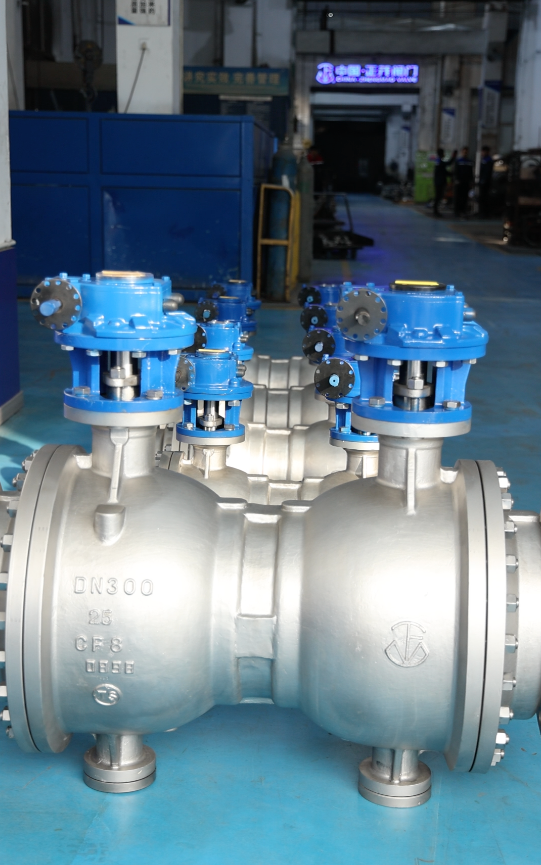
Think of a double-unit factory as a dynamic duo on the manufacturing floor, where two specialized units operate in tandem to boost efficiency and accuracy. Precision engineering in this setup isn't just about hitting exact measurements; it's the art of synchronizing processes between units to minimize defects and speed up production. By integrating advanced robotics and real-time data analytics, manufacturers can fine-tune each unit's performance, ensuring that components seamlessly flow from one stage to the next without bottlenecks or errors. This approach transforms traditional assembly lines into agile systems that adapt quickly to design changes or custom orders, all while maintaining tight tolerances and high-quality standards.
What sets precision engineering in a double-unit environment apart is the emphasis on collaborative control systems. Instead of treating each unit as an isolated entity, engineers design integrated software platforms that allow units to communicate and adjust parameters on the fly. For instance, if the first unit detects a slight deviation in material thickness, it can instantly signal the second unit to compensate in its machining process, preventing waste and rework. This level of coordination relies on sensors and smart algorithms, making the factory smarter and more resilient. It's not uncommon to see such setups in industries like aerospace or medical device manufacturing, where every micron counts and safety is non-negotiable.
Beyond technical prowess, implementing precision engineering here requires a cultural shift toward continuous improvement. Teams must be trained to troubleshoot inter-unit issues and optimize workflows collaboratively, fostering an environment where innovation thrives. In practice, this might involve regular audits and feedback loops between units, ensuring that lessons learned from one side enhance overall performance. Ultimately, a double-unit factory becomes a showcase of how thoughtful engineering can turn complexity into a competitive edge, delivering products faster and with fewer compromises.
Applications Across Diverse Industrial Environments
In today's rapidly evolving industrial landscape, the versatility of various technologies allows for seamless integration across a wide range of sectors. From manufacturing facilities that rely on precision automation to agriculture where smart sensors optimize crop yields, these applications demonstrate how innovation is tailored to meet specific operational needs. For instance, in the energy sector, advanced monitoring systems enhance grid stability, while in logistics, predictive analytics streamline supply chain operations, ensuring efficiency and reducing downtimes.
Beyond traditional settings, these tools are making significant inroads into niche areas like pharmaceuticals and construction, where stringent regulations and complex project demands require robust solutions. In healthcare, for example, data-driven platforms assist in managing patient records and drug development, whereas in heavy industries such as mining, automated equipment improves safety by minimizing human exposure to hazardous conditions. This adaptability not only boosts productivity but also fosters resilience in the face of diverse challenges, making it a cornerstone of modern industrial strategy.
Furthermore, the cross-pollination of ideas between different environments sparks novel applications, such as using AI from automotive testing to enhance quality control in food processing. By leveraging common principles like scalability and interoperability, organizations can implement these technologies in ways that were previously unimaginable, driving continuous improvement and competitive advantage across the board. Ultimately, this widespread adoption underscores the transformative potential of flexible, industry-agnostic approaches in shaping a more interconnected and efficient global economy.
Customization Options for Specific Project Requirements
Tailoring solutions to meet specific project demands is crucial for achieving optimal outcomes. By understanding the unique requirements of each project, we can offer a range of customization options that go beyond standard offerings. This approach ensures that every solution is finely tuned to address the particular challenges and goals of the project, resulting in a more effective and efficient process.
Our customization options include flexible modules and adaptable features that can be adjusted based on client feedback and evolving needs. This allows for seamless integration with existing systems and workflows, minimizing disruptions and enhancing overall productivity. By focusing on these tailored elements, we empower teams to work more collaboratively and creatively, ultimately driving better project success.
Moreover, these bespoke adjustments often lead to innovative breakthroughs that might not emerge from rigid, off-the-shelf solutions. Customization fosters an environment where experimentation and refinement are encouraged, enabling projects to adapt to changing circumstances and capitalize on new opportunities. In essence, it transforms generic tools into powerful assets that resonate deeply with the project's core objectives.
Quality Assurance and Testing Protocols in Production
In modern manufacturing, quality assurance and testing protocols are the backbone of ensuring products meet both internal standards and customer expectations. These protocols involve systematic checks throughout the production cycle, from raw material inspection to final assembly, designed to catch defects early and minimize costly rework. By integrating real-time monitoring and data analytics, companies can proactively identify trends and potential issues, thereby enhancing overall product reliability and reducing downtime. This approach not only boosts efficiency but also builds trust with stakeholders by delivering consistent, high-quality outputs every time.
A standout feature of effective testing protocols is their adaptability to specific industry challenges, such as in electronics or pharmaceuticals, where precision is paramount. For instance, in electronics, automated optical inspection systems might be employed to detect microscopic flaws in circuit boards, while in pharmaceuticals, rigorous batch testing ensures compliance with stringent safety regulations. This tailored application helps distinguish protocols from generic checklists, making them more responsive to unique production demands. Coupled with employee training on these specialized methods, it fosters a culture of quality that permeates every level of the operation.
Beyond technical measures, innovative protocols often incorporate feedback loops from end-users and field data, allowing for continuous refinement. This dynamic process ensures that testing evolves alongside product updates and market shifts, keeping quality assurance relevant and forward-thinking. By blending human expertise with advanced tools, companies can create a robust framework that not only meets current standards but also anticipates future challenges, setting their production apart as both reliable and cutting-edge.
Long-Term Reliability and Performance in Harsh Conditions
In environments where extreme temperatures, high humidity, or corrosive elements prevail, maintaining consistent performance over extended periods is no small feat. It's not just about surviving these conditions; it's about thriving in them. We've engineered our systems to withstand such challenges through rigorous testing and innovative materials, ensuring that reliability isn't a temporary promise but a long-term commitment. Whether it's the scorching heat of a desert or the freezing cold of an industrial freezer, our solutions adapt seamlessly, minimizing downtime and maximizing efficiency.
What sets us apart is our focus on real-world durability. While many manufacturers rely on standard tests, we go beyond by simulating years of harsh exposure in accelerated trials. This approach means that when our products are deployed in demanding settings, they don't just meet expectations—they exceed them, delivering stable performance that users can count on day in and day out. It's this dedication to enduring quality that helps our clients avoid costly failures and maintain smooth operations, no matter the external conditions.
Ultimately, long-term reliability in harsh conditions boils down to a blend of robust design and proactive maintenance strategies. We integrate smart monitoring features that allow for early detection of potential issues, enabling timely interventions before they escalate. This forward-thinking method not only extends the lifespan of our equipment but also reinforces trust with our users, proving that excellence isn't just about initial specs but about lasting value in the toughest environments.
FAQ
These valves are designed for high durability and precise control, featuring a fixed ball design that minimizes wear and tear in demanding industrial settings, backed by OEM quality standards from a specialized double-unit production line.
By utilizing robust materials and advanced sealing technologies, they ensure leak-proof performance and long service life, reducing maintenance needs and downtime in processes like chemical handling or oil and gas operations.
This setup allows for efficient, large-scale production with stringent quality checks, ensuring consistent performance and customization options tailored to specific industrial requirements, giving buyers a competitive edge.
They are widely applied in sectors such as petrochemicals, water treatment, power generation, and manufacturing, where reliable flow control is critical for safe and efficient operations.
The combination of a fixed ball mechanism with OEM expertise from a double-unit facility results in superior corrosion resistance, higher pressure ratings, and enhanced adaptability to harsh environments, making them a standout choice.
It streamlines manufacturing by dedicating units to different stages, like assembly and testing, which boosts precision and speeds up turnaround times, ensuring timely delivery without compromising on quality.
Yes, the OEM capabilities allow for adjustments in size, material composition, and connection types, enabling tailored solutions that fit unique application challenges, from high-temperature settings to abrasive fluid handling.
Conclusion
The innovative design of fixed ball valves, developed in a specialized double-unit factory setting, ensures enhanced durability through precision engineering. These valves are specifically crafted to withstand the rigors of diverse industrial environments, from chemical processing to oil and gas sectors, by incorporating robust materials and advanced sealing mechanisms. The OEM approach in a double-unit factory allows for streamlined production, where each unit focuses on distinct stages like machining and assembly, ensuring consistency and reducing defects. This setup not only optimizes efficiency but also enables rigorous quality assurance and testing protocols, including pressure and leak tests, to guarantee each valve meets high performance standards before deployment.
Beyond standard offerings, these valves provide extensive customization options to cater to specific project requirements, such as tailored sizes, materials, or pressure ratings, making them versatile solutions for unique industrial applications. Their long-term reliability is proven in harsh conditions, where they resist corrosion, extreme temperatures, and abrasive media, minimizing downtime and maintenance costs. By integrating features like reinforced stems and anti-static devices, they deliver consistent operation even under demanding scenarios. Overall, fixed ball valves from this OEM factory combine innovation, precision, and adaptability, offering reliable, high-performance solutions that enhance safety and efficiency across various industries.
Contact Us
Contact Person: Lucas Lin
Email: [email protected]
Tel/WhatsApp: 8613968913000
Website: https://www.zhengmaogroup.com