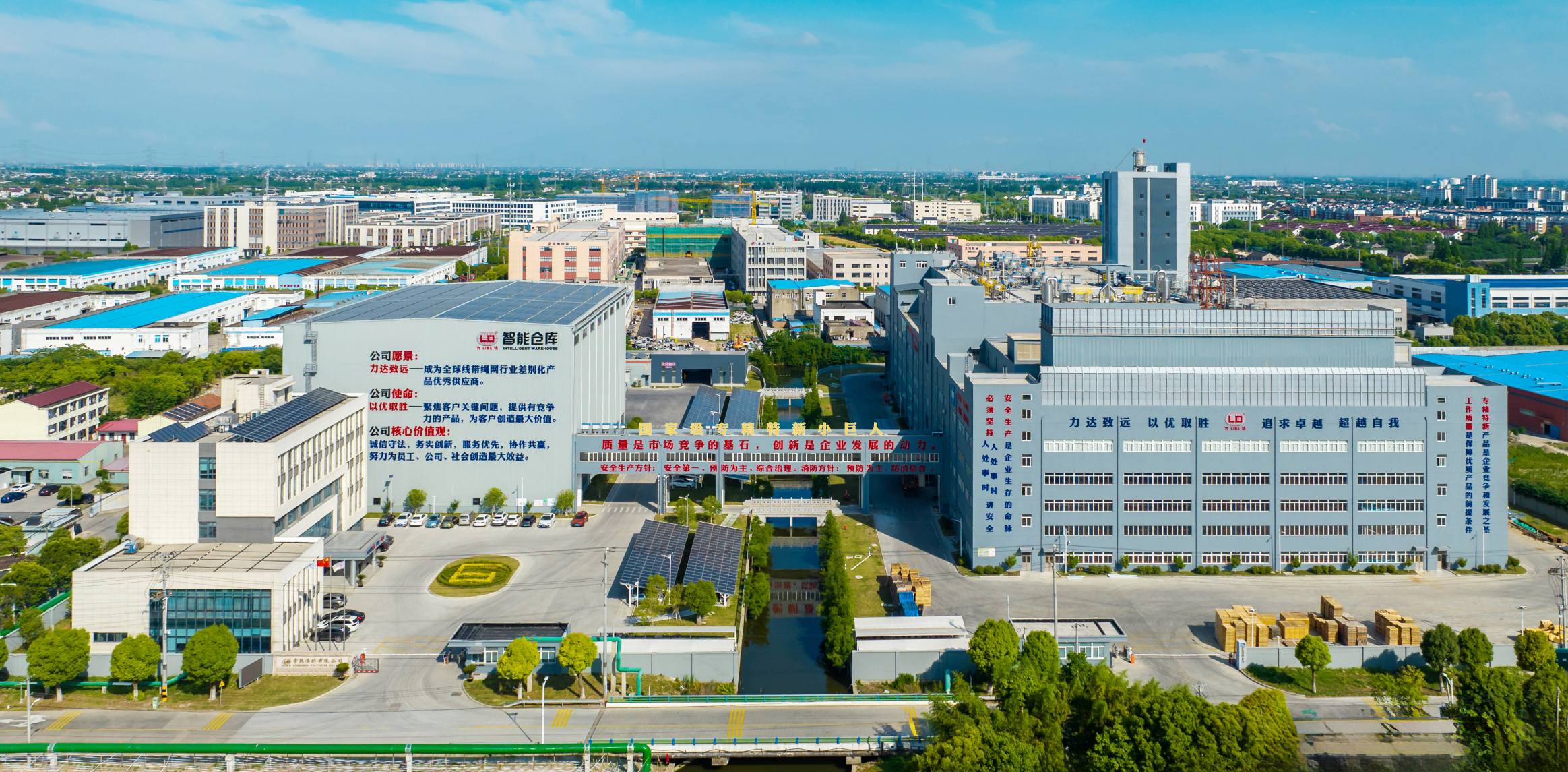

Export Anti-UV Polyester Dope Dyed Filament Yarn for High-Performance Outdoor Fabrics
2026-08-14
When the sun beats down relentlessly and the wind whips across mountain ridges, ordinary fabrics give up too soon. That’s why high-performance outdoor textiles demand a yarn that refuses to fade, weaken, or compromise on color—even after hundreds of hours under UV exposure. Enter Changshu Polyester's anti-UV dope dyed filament yarn. Unlike surface-dyed alternatives that lose vibrancy and strength, this yarn locks UV stabilizers and pigments directly into the polymer matrix before spinning. The result? Deep, consistent color that survives the harshest alpine sun, and a fabric backbone built for tents, awnings, backpacks, and technical apparel. In this post, we’ll break down what makes dope dyed polyester a smarter choice for exporters and outdoor gear brands—from faster production cycles to lower water waste and unmatched colorfastness. If you’re sourcing yarn for products that must perform beyond the showroom, keep reading.
Sunlight Can't Reach the Color When It Lives in the Polymer
When a pigment or dye is dispersed inside a polymer instead of sitting on its surface, the path between sunlight and the colorant becomes far more complicated. The polymer itself acts as a barrier: incoming photons are scattered, reflected, or absorbed by the surrounding matrix long before they reach the individual color molecules. Only a fraction of the original light energy actually arrives at the pigment particles, and that fraction is typically stripped of the most aggressive high-energy wavelengths. In this sense, the color truly "lives" in a sheltered environment where sunlight no longer has direct access.
This physical separation has practical consequences. Photodegradation, which normally bleaches or shifts the hue of exposed colorants, slows down dramatically when the color is embedded deep inside the polymer. A red that would fade within months on a surface coating might remain vivid for years as part of a molded plastic or fiber. At the same time, the polymer's own optical properties—its clarity, refractive index, and thickness—alter the way the final color is perceived. The same pigment can appear duller, deeper, or slightly shifted simply because the light reaching it has already been filtered by the host material.
Of course, not all polymers offer the same degree of protection. A highly transparent polycarbonate lets far more sunlight penetrate than an opaque, filled polypropylene. And over long periods, some colorants can migrate toward the surface, gradually losing their shielded position. Still, the underlying principle remains: as long as the color stays suspended inside the polymer, sunlight has to fight its way through the matrix first. That extra distance makes all the difference in how long the color survives and how it looks to the human eye.
No Dye Bath, No Wastewater, No Fading Compromise
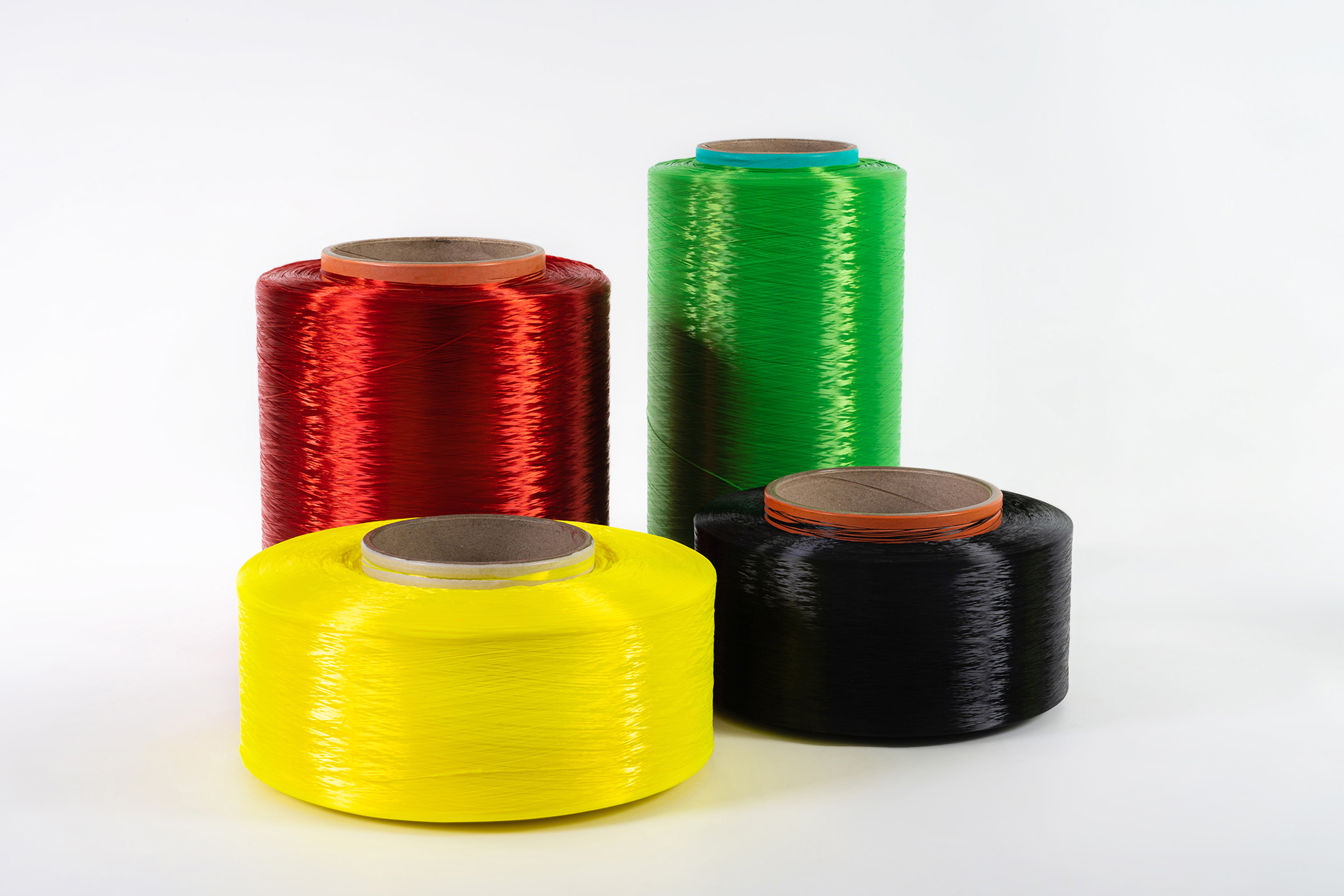
Traditional textile dyeing soaks fabric in huge vats of chemical-laden water, producing toxic wastewater that pollutes rivers and soils. The alternative? Skip the bath entirely. Advanced color-masterbatch and dope-dyeing techniques inject pigment directly into the polymer before the fiber is even spun. The result: rich, uniform color locked into the material from the start, with zero dye baths and zero wastewater discharge.
This isn't just about being clean—it's about staying vivid. Because the pigment lives inside the fiber rather than sitting on the surface, it doesn't wash off or rub away. Fabrics resist fading from sunlight, sweat, and repeated laundering. Colors stay true for years, not months. No compromise between sustainability and longevity; you get both.
The numbers are stark. Conventional dyeing can use over 100 liters of water per kilogram of fabric and generate massive effluent streams. Dope-dyed fibers cut water use to nearly zero and eliminate dye-related wastewater completely. For brands and consumers tired of choosing between conscience and performance, this is the quiet revolution that makes both possible.
The Real Test: Outdoor Fabrics Under Constant UV Assault
Most fabrics look tough on a showroom floor, but leave them outside for a single summer and the story changes fast. UV radiation doesn't just fade colors—it quietly breaks down the polymer chains that give synthetic fibers their strength, while natural fibers like cotton become brittle and tear at the seams. The real assault happens day after day, even on cloudy mornings when nobody thinks about sun damage.
Manufacturers love to quote lab numbers, but a xenon-arc chamber set to 0.35 W/m² at 340 nm tells you almost nothing about how a patio cushion will fare in Arizona versus Seattle. Real outdoor fabrics get hammered by a brutal mix: high-altitude UV spikes, salt spray, morning dew that acts like a magnifying glass, and temperature swings that expand and contract every fiber. The only honest test is to leave the material out for two or three years and watch where it fails first—usually along folded edges, under thread, or anywhere the weave was stretched too tight during production.
What separates a decent outdoor textile from a great one isn't a higher SPF number on a hangtag, but how it handles the cumulative insult. Solution-dyed acrylics hold color longer because the pigment lives inside the fiber rather than sitting on the surface, but even those lose tensile strength eventually. The fabrics that survive are the ones designed with a little slack in the weave, reinforced stitching that doesn't create stress points, and a healthy skepticism about any warranty that promises more than five years under full sun.
Awnings, Boat Covers, and Gear That Need More Than Surface Color
When a tarp or awning spends its days under direct sun, color alone won't tell you how it's holding up. Fading is the easy part to spot, but the real damage happens where the fabric flexes, where water pools, or where stitching meets reinforcement. You might notice the surface still looks bright while the underside has gone brittle, or the seams have started to pull apart long before any visible discoloration. That's why the best gear for marine and outdoor use isn't judged by how it looks on day one—it's judged by how it resists UV degradation, mildew, and abrasion over multiple seasons. If your cover only changes in color, you're lucky. More often, it loses strength first, and by the time the surface shows wear, the material is already compromised.
Think beyond pigment when you're shopping for awnings or boat covers. A deep blue or forest green might hide stains better than white, but it won't stop the sun from breaking down the polymer chains in the fabric. What matters is whether the material has been treated for UV resistance, whether the weave is tight enough to block water without trapping condensation, and whether the seams use UV-stable thread. Many cheaper options use dyed polyester that looks great in a showroom but turns to tissue paper after one summer of reflected glare off the water. High-quality covers often have a coating on the inside that feels different from the outside—slightly tacky or rubberized—and that coating does more for longevity than any surface tint. If the manufacturer only talks about colorfastness, dig deeper. Ask about tensile strength after UV exposure, hydrostatic head, and mildew resistance.
For gear that needs to perform rather than just look good, surface color is the last thing to rely on. A faded but intact cover can still protect your boat or patio furniture if the underlying fabric remains strong. Conversely, a vibrant red or navy cover that hasn't faded at all can be riddled with micro-tears, weakened seams, and a waterproof coating that's turned to powder. The next time you're replacing an awning or boat cover, turn it inside out and inspect the reverse side. That's where the real story is. Look for cracking along fold lines, chalky residue from degraded coatings, and stitching that pulls apart when you tug gently. These are the signs that matter more than whether the top still matches your paint color.
Every Batch Matches, Every Shipment Ships on Time
When a production line spits out a batch that doesn't match the approved sample, the real cost isn't just scrap or rework. It's a missed truck, a rescheduled container, and a customer who starts doubting every promise you made. That's why the rule on our floor is blunt: if a batch can't be verified against the golden sample in under two minutes, it doesn't leave the building.
Every work order carries a digital traveler with the exact specifications, and operators check three points—mid-run, end-run, and after any tool change—before the batch gets a green tag. That tag is the only thing that lets a carton onto the dock. No exceptions for rush jobs, no verbal "it looks close enough." The measurement data is logged against the batch number, so anyone can trace exactly what was checked and when.
Shipping on time is not a target we chase; it's the natural result of every upstream gate closing properly. Our dock schedule locks 48 hours before cutoff, and any batch still sitting in quarantine after that window automatically triggers a priority review—not a slip in the date. The truck leaves full, matched, and on schedule, because the floor already did its job.
Why Dope Dyed Polyester Is the Quiet Workhorse of Outdoor Textiles
In the world of outdoor gear, the loudest innovations often grab attention—new waterproof membranes, ultralight alloys, or smart fabrics that promise to regulate your temperature. But tucked inside almost every tent fly, backpack shell, and webbing strap is a material that rarely gets credit: dope dyed polyester. The name sounds like something from a chemistry lab, and that's fitting, because the magic happens before the fiber is even spun. Instead of dyeing finished fabric in a hot bath, the pigment is mixed directly into the molten polymer. The result is a color that isn't just on the surface—it runs all the way through the core of every filament. That one detail changes how the textile behaves outdoors, and it's why this unglamorous process has become the quiet backbone of the industry.
Think about what a tent or a backpack endures: abrasive rocks, relentless UV exposure, downpours, and years of being stuffed and unstuffed. With traditional piece-dyed polyester, the color sits on the outside like a thin coat of paint. Scrape it, and the white fiber underneath peeks through; leave it in the sun for a season, and it fades to a chalky pastel. Dope dyed polyester laughs at both problems. Since the pigment is embedded in the polymer itself, there's no surface layer to rub off, and UV rays have to chew through the entire fiber before the color weakens. That translates to gear that still looks sharp after 500 miles on the trail or three summers of car camping. Manufacturers love it for another reason: skipping the dye bath means slashing water usage and energy costs by a significant margin, which keeps prices reasonable without cutting corners on durability.
But the true genius of dope dyed polyester lies in how invisible it is. It doesn't need a marketing campaign or a fancy hangtag. Designers pick it because they know a forest green rainfly will stay forest green season after season, and because they can order huge batches with incredible color consistency—no mismatched panels or off-shade zippers. It's the workhorse that lets other features shine. The waterproof coating gets the headline, but the fabric underneath is what quietly holds everything together, resisting fade, abrasion, and the slow creep of weathering. Next time you slide a well-worn backpack off your shoulders and notice the color still looks almost new, you're seeing dope dyed polyester doing exactly what it was made to do—no applause needed.
FAQ
Because the UV stabilizers and pigments are incorporated during the melt spinning stage, they become part of the fiber itself rather than a surface coating. This means the yarn keeps its strength and color far longer under direct sunlight, and you don't see the typical fading or weakening that happens with conventionally dyed polyester after a season or two outdoors.
Dope dyeing locks the color into the polymer before the filament is formed, so there's no dye bath wastewater and no risk of uneven penetration in dense weaves. The resulting color withstands abrasion, washing, and prolonged UV exposure much better, which is essential for outdoor furniture cushions or shade sails that need to look consistent for years.
Yes, its filament structure and balanced tenacity make it suitable for high-speed weaving and warp knitting. It runs cleanly on air-jet and water-jet looms, and it also performs well in raschel knits used for shade cloth and mesh reinforcement, giving manufacturers flexibility without changing yarn suppliers.
Depending on fabric construction and weight, finished textiles can reach UPF 50+ ratings. Since the UV-blocking additives are embedded throughout the fiber cross-section, the protection doesn't wash out or degrade quickly, even after repeated cleaning and extended outdoor exposure.
Polyester naturally resists moisture absorption, so the yarn dries quickly and doesn't provide a food source for mold or mildew. Combined with its low thermal expansion, it maintains dimensional stability across hot days and cool nights, which helps outdoor panels and covers stay taut and wrinkle-free.
Use moderate tension and avoid excessive heat during finishing, since the yarn is already heat-set for dimensional stability. A light pre-wetting or antistatic treatment can help in very dry workshop conditions, but overall the yarn has low hairiness and consistent elongation, so machine stops are rare.
Common counts range from 75D to 600D, with multifilament options from 24F to 192F, and a wide color palette including earth tones, brights, and custom-matched shades. Packaging can be arranged on standard cones or large bobbins, with moisture-barrier wrapping for long-distance shipping.
Yes, the combination of UV resistance, low water absorption, and high abrasion resistance makes it a practical choice for marine textiles. It doesn't stiffen or become brittle in salt air, and the dope-dyed colors hold up well even with frequent exposure to spray and sun.
Conclusion
When color is spun into molten polyester before the filament ever takes shape, sunlight loses its usual target. The pigment isn’t sitting on the surface waiting to be bleached—it’s locked inside the polymer, which is why export-grade anti-UV dope dyed filament yarn holds its tone through years of harsh exposure. There’s no dye bath to manage, no wastewater stream to treat, and no compromise between vibrant color and long-term weather resistance. For high-performance outdoor fabrics, that shift in production logic changes everything: the color becomes part of the fiber’s structure rather than a coating that cracks, peels, or fades after a few seasons.
The proof shows up where outdoor textiles take the most abuse—awnings stretched under full sun, boat covers hit with salt spray and UV, heavy-duty gear that can’t afford to look tired after one summer. Dope dyed polyester handles that assault without relying on surface treatments, and because each pigment batch is measured and locked into the polymer, buyers see the same shade from one container to the next. That consistency matters when replacing panels or matching existing inventory, and it arrives on time without the lead-time chaos of post-dyeing. Quietly, this yarn has become the workhorse of outdoor textiles—not because it shouts about innovation, but because it keeps performing when surface-level alternatives give up.
Contact Us
Contact Person: CONNIE
Email: [email protected]
Tel/WhatsApp: 86-0512-53671634
Website: https://www.lida-yarn.com/