

Effective Dust Collector Solutions: Optimize Your Industrial Air Quality Today
2026-04-03
Struggling to maintain clean air in your industrial facility? Discover how Fanchang Machinery's innovative dust collector solutions can transform your environment. In this practical guide, we'll explore actionable strategies to enhance air quality, boost productivity, and ensure compliance. Get ready to optimize your operations with insights tailored for today's challenges!
Key Components of High-Efficiency Dust Collection Systems
When designing a high-efficiency dust collection system, it's crucial to focus on several core elements that work together to maximize performance. The primary component is the dust collector itself, such as a cyclone separator or a baghouse filter, which captures airborne particles effectively. These systems often incorporate advanced filtration media, like pleated filters or cartridge filters, to enhance dust retention and minimize emissions. Proper sizing and selection of the collector ensure it handles the specific dust load and particle size, leading to better air quality and reduced maintenance needs.
Another key aspect is the ductwork and airflow management, which includes strategically placed hoods and ducts to capture dust at its source. Efficient systems use smooth, well-designed ducts to minimize pressure drops and maintain optimal velocity, preventing dust buildup and blockages. Variable frequency drives (VFDs) on fans can adjust airflow based on real-time conditions, improving energy efficiency and control. This adaptability helps in managing different operational stages, ensuring the system remains effective under varying loads without wasting resources.
Additionally, monitoring and control components play a vital role in sustaining high efficiency. Sensors and gauges track parameters like pressure differentials and airflow rates, providing data for timely maintenance and troubleshooting. Automated controls, such as pulse-jet cleaning systems, keep filters clean and functional, extending their lifespan and maintaining peak performance. By integrating these elements, a dust collection system not only meets regulatory standards but also enhances workplace safety and operational reliability, making it a smart investment for industries dealing with particulate matter.
Strategies for Minimizing Airborne Particulates in Industrial Settings
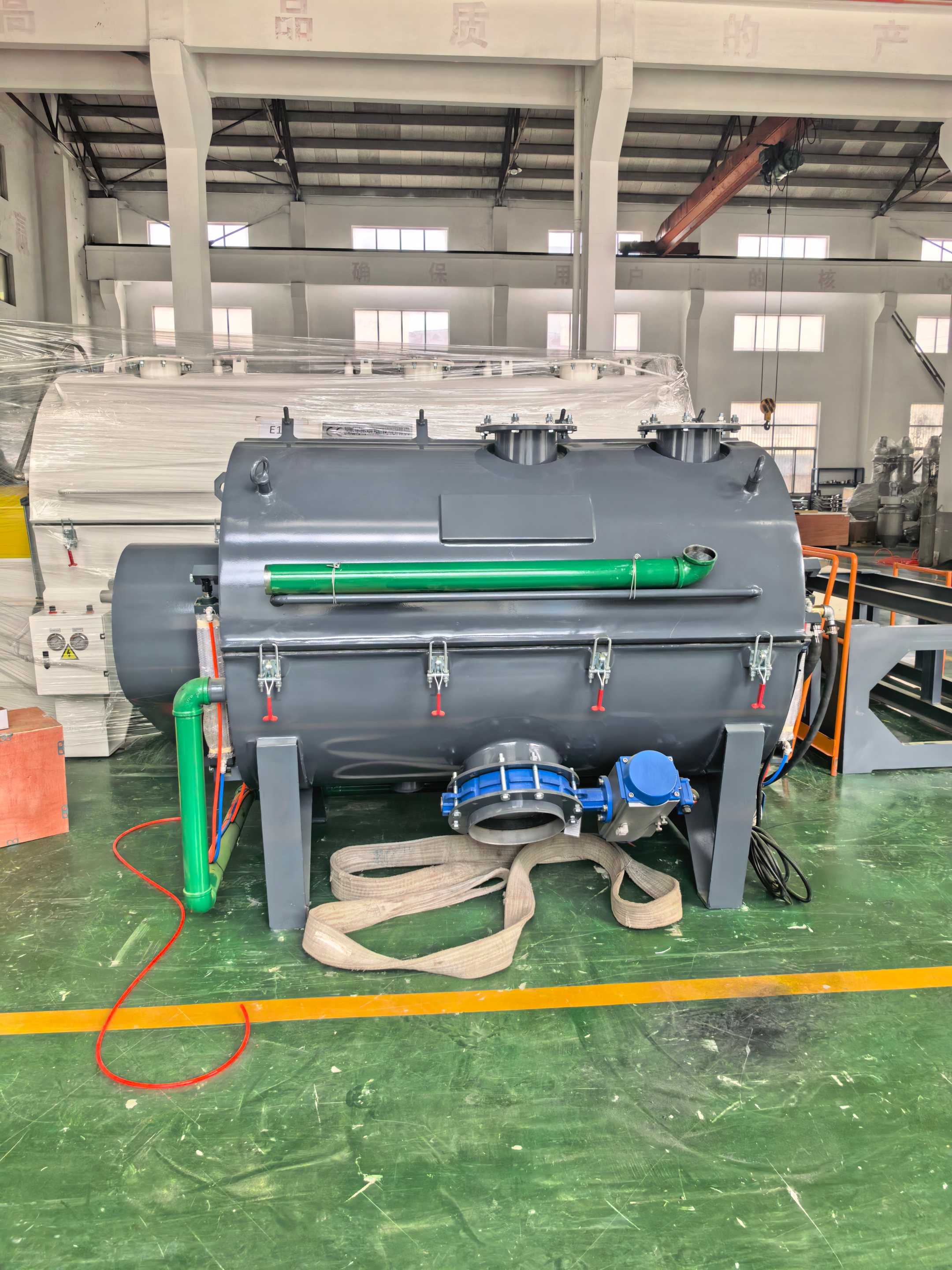
Implementing effective ventilation systems is a cornerstone strategy for reducing airborne particulates in industrial environments. By using localized exhaust hoods near emission sources, such as grinding machines or chemical processes, particles can be captured directly before they disperse into the air. This approach not only enhances worker safety but also complies with environmental regulations, often leading to operational efficiencies through reduced contamination and maintenance needs.
Regular maintenance of equipment and facilities plays a critical role in particulate control. For instance, ensuring that machinery is properly sealed and filters are routinely replaced can prevent leaks and buildup of dust and debris. Proactive measures like scheduled cleaning and inspections help identify potential issues early, mitigating the risk of particulate accumulation that could otherwise compromise air quality and equipment performance over time.
Adopting advanced filtration technologies, such as high-efficiency particulate air (HEPA) filters or electrostatic precipitators, offers a targeted solution for capturing fine particles. These systems can be integrated into existing ventilation setups to enhance removal rates, especially in sectors where ultra-fine particulates are prevalent. By tailoring filtration methods to specific industrial processes, companies can achieve cleaner air outcomes while supporting sustainable practices and reducing overall environmental impact.
Customizing Dust Control Solutions for Specific Manufacturing Processes
Effective dust management isn't a one-size-fits-all game. In manufacturing, different processes like woodworking, pharmaceutical production, or metal fabrication generate unique dust types and volumes. Tailoring solutions requires analyzing factors such as particle size, toxicity, and airflow patterns to ensure safety and efficiency.
By integrating customized engineering controls—such as localized exhaust systems or advanced filtration—companies can mitigate health risks like respiratory issues while boosting operational uptime. This approach often involves on-site assessments and collaboration with experts to fine-tune equipment for specific plant layouts.
Beyond compliance, personalized dust control can drive cost savings and sustainability. For instance, recycling captured materials in some industries reduces waste, aligning with greener practices and enhancing overall process resilience in competitive markets.
Advantages of Upgrading to Modern Air Quality Management Technology
Switching to state-of-the-art air quality management systems offers a host of benefits that extend far beyond simple monitoring. These advanced technologies deliver real-time, detailed insights into pollutants like particulate matter, volatile organic compounds, and carbon monoxide, allowing for proactive responses rather than reactive measures. Unlike older models, modern systems integrate seamlessly with smart building controls, optimizing ventilation and filtration dynamically based on actual air conditions. This not only ensures a healthier indoor environment but also reduces energy waste by avoiding unnecessary HVAC usage.
Another compelling advantage lies in the accuracy and granularity of data provided. With high-resolution sensors and machine learning algorithms, these systems can pinpoint pollution sources with precision, whether it's a faulty equipment in an industrial setting or outdoor infiltration in an office. This targeted approach facilitates more effective interventions, such as adjusting workflows or sealing leaks, leading to significant improvements in air purity. Moreover, the ability to track trends over time empowers organizations to meet regulatory standards consistently and even exceed them, bolstering their reputation for sustainability and safety.
Beyond operational efficiency, upgrading enhances overall well-being and productivity. Cleaner air has been linked to fewer respiratory issues, reduced absenteeism, and sharper cognitive function among occupants. In today's competitive landscape, where health-conscious consumers and employees prioritize environmental quality, investing in cutting-edge air management can be a key differentiator. It signals a commitment to innovation and care, potentially attracting talent and clients while fostering a culture of wellness that pays dividends in both human and economic terms.
Maintenance Practices to Sustain Optimal Filtration Performance
Keeping your filtration system in top shape doesn't have to be a chore—think of it as an investment in cleaner air or purer water. Regular maintenance is key: start by checking and replacing filters according to the manufacturer's schedule, or even earlier if you notice reduced flow or increased pressure. Don't just stop at the obvious; inspect seals and connections for leaks, as even minor gaps can let contaminants slip through, undermining the whole setup. It's like giving your system a tune-up; a bit of proactive care can prevent costly breakdowns and keep things running smoothly.
Beyond basic upkeep, consider the environment your filter operates in. Dusty or humid conditions might require more frequent attention, so tailor your routine to match real-world demands. Clean surrounding areas to prevent debris from clogging the system prematurely, and keep a log of maintenance dates to spot patterns over time. Remember, optimal performance isn't just about following a checklist—it's about adapting to your specific needs and catching small issues before they snowball into major headaches.
Engage with your filtration system as a living part of your process, not just a static component. Train staff to recognize early warning signs, like unusual noises or discoloration, and empower them to take action. Incorporate smart tools, such as pressure gauges or digital monitors, to get real-time insights without constant manual checks. By fostering a culture of vigilance and continuous improvement, you'll sustain peak efficiency and extend the lifespan of your equipment, ensuring it delivers reliable results day in and day out.
Evaluating Cost-Effective Approaches for Cleaner Work Environments
Implementing cost-effective strategies for cleaner work environments often starts with low-tech, high-impact solutions that don't break the bank. Simple changes like establishing regular cleaning schedules, using reusable microfiber cloths instead of disposable paper towels, and switching to concentrated, eco-friendly cleaning products can significantly reduce both expenses and environmental footprint. Many businesses find that empowering employees with clearly marked recycling bins and proper waste segregation training leads to noticeable improvements without hefty investments.
Another underrated yet powerful approach involves optimizing ventilation and natural light, which not only cuts down on energy costs but also minimizes airborne pollutants. For instance, strategically placed indoor plants like snake plants or peace lilies can naturally filter toxins, while programmable thermostats and LED lighting upgrades offer long-term savings. These tweaks create a healthier atmosphere that boosts productivity and reduces sick days, delivering a tangible return on investment.
Beyond initial setups, fostering a culture of shared responsibility ensures sustainability. Encouraging teams to adopt simple habits—like wiping down shared surfaces after use or reporting maintenance issues promptly—can prevent costly deep cleans later. Some organizations even implement green teams or incentive programs to reward innovative, low-cost ideas from staff, making cleanliness a collective goal rather than a top-down mandate.
FAQ
An effective dust collector should offer high filtration efficiency, durable construction suitable for harsh environments, easy maintenance access, and customizable configurations to match specific facility layouts and dust types.
Upgrading reduces equipment downtime due to dust-related issues, enhances worker health and safety, and can lower energy costs by optimizing airflow, all of which contribute to smoother operations and higher output.
Common mistakes include undersizing the system for the volume of dust, ignoring the particulate characteristics like moisture or abrasiveness, and not considering future expansion needs, which can result in clogs or frequent breakdowns.
Modern collectors help meet air quality standards by capturing fine particles, include monitoring systems for emissions, and often come with documentation to simplify reporting for environmental agencies.
Regular filter inspections and replacements, timely emptying of collection hoppers, checking for leaks in ductwork, and ensuring fan motors are lubricated prevent wear and avoid costly repairs.
They should monitor visible dust accumulation, measure air quality metrics, track maintenance frequency, and compare performance against industry benchmarks to identify gaps needing improvement.
Conclusion
Effective dust collector solutions are essential for optimizing industrial air quality today, as they directly impact worker health, regulatory compliance, and operational efficiency. By integrating key components such as high-efficiency filters, durable housings, and smart monitoring systems, modern dust collection systems can significantly reduce airborne particulates in industrial settings. Customizing these solutions for specific manufacturing processes ensures that unique dust types, from fine powders to coarse debris, are managed effectively, preventing equipment damage and enhancing productivity. Moreover, upgrading to advanced air quality management technology offers advantages like real-time data analytics and energy savings, which contribute to a cleaner, safer work environment. Maintenance practices, including regular inspections and filter replacements, are crucial to sustain optimal filtration performance over time, minimizing downtime and repair costs. Ultimately, evaluating cost-effective approaches, such as phased implementation or retrofitting existing systems, allows businesses to achieve cleaner work environments without excessive expenditure, balancing economic and environmental benefits seamlessly.
Contact Us
Contact Person: Darye WANG
Email: [email protected]
Tel/WhatsApp: 86-13501017897
Website: https://www.fcntd.com/