

Durable Solar Garden Lights That Actually Last Outdoors
2026-11-26
Most solar garden lights look great for the first month, then quietly give up after a few rainstorms. If you're tired of replacing flimsy units every season, it's time to rethink what outdoor lighting should be. In this guide, we break down what actually makes solar lights survive harsh weather, heavy use, and long nights—and why SRS has become a go-to for homeowners who want fixtures that stay bright year after year. Here's what to look for before you buy another set.
The First Part to Fail Is Rarely the Bulb
When a lamp goes dark, the first instinct is usually to unscrew the bulb and look for a broken filament. More often than not, the bulb is still good. The actual trouble tends to hide in less obvious places: a corroded socket, a loose spade connector, a worn relay, or a ground wire that has quietly lost its grip. Dropping in a new bulb without checking those points often means feeding a fresh part into the same broken circuit.
Voltage drops across connectors and switches are frequent culprits. A thin layer of oxidation adds resistance, heat builds, plastic housings warp, and terminals loosen. A relay can click and still fail to carry current under load. Ground connections, especially in damp or salted conditions, develop a crust that looks solid but conducts poorly. A quick check with a multimeter along the harness usually reveals a healthy bulb that never received the current it needed.
It pays to resist the fast swap. Unplug the connector, look for green or white corrosion, wiggle the harness while the circuit is live, and measure at the socket rather than guessing. Tracing the path takes a little patience but prevents the same fault from coming back a week later.
Plastic Lenses Turn Cloudy Faster Than You Would Expect
Polycarbonate lenses, while tough, develop a hazy film that sneaks up on most wearers. What starts as a faint halo around streetlights gradually turns into a constant dullness across your field of view. The clouding doesn't come from a single dramatic event but from millions of tiny scratches, chemical exposure, and gradual breakdown of the anti-scratch coating itself.
Heat makes things worse. Leaving glasses on a car dashboard or near a stove accelerates the polymer degradation, and before long the lens surface takes on a foggy, almost greasy appearance that no amount of wiping can fix. Even the oils from your own skin, combined with sunscreen or hair products, slowly eat into the outer layers.
Most people only notice the problem when they finally compare their old lenses side by side with a fresh pair. The difference is startling—what felt normal was actually a steady decline in clarity over just a year or two, not the five or six years many assume plastic lenses should last.
Cold Weather Separates Durable Batteries From the Rest
Plenty of batteries look identical on the shelf and perform fine in mild weather. Drop the temperature below freezing, though, and the differences surface quickly. The electrolyte inside a standard battery thickens in the cold, slowing the chemical reaction that releases energy. Cold-cranking amps fall off fast, and a battery that started easily in October may barely turn the engine over in January. Durable batteries are built with a different electrolyte mix and plate design to keep that reaction moving when the mercury drops.
One practical way to separate them is to compare rated cold-cranking amps, but that number only tells part of the story. What matters more is how long the battery holds a usable charge after sitting overnight in single-digit temperatures. Some units shed capacity at an alarming rate once the case itself gets cold-soaked. Others keep enough reserve to fire the starter after repeated short trips, which never give the alternator much time to recharge the cells. That gap becomes obvious in places where winter lasts four or five months.
The real test isn't a summer road trip or a bench test in a warm garage. It's a dark morning with frost on the windshield and somewhere to be. A battery that handles that scenario without hesitation saves you from jump packs, tow trucks, and a lot of muttered frustration. In cold climates, that kind of starting reliability is not a nice-to-have; it's the entire point of calling a battery durable.
Sealed Housings Are Not the Same as Weatherproof Ones
People tend to use sealed and weatherproof as if they describe the same box, but the difference shows up quickly in the field. A weatherproof housing is built to shed rain, snow, sleet, and direct spray while mounted outdoors. It may have gasketed covers and overlapping seams, but it is not necessarily airtight, and it is rarely expected to handle submersion or constant high humidity. A sealed housing goes further: the goal is to stop liquid, dust, and sometimes gas from moving through joints, cable entries, or cover openings, often with a defined pressure or immersion rating behind that claim.
The test methods reveal where the two categories separate. Weatherproof ratings are typically earned through directed hose tests, ice buildup, and exposure to outdoor conditions. Sealed enclosures are evaluated against ingress under standing water, pressure differentials, or fine particle intrusion. A weatherproof enclosure can still draw in moist air as temperatures change, and many are designed with drain holes or vents to let condensation escape. Treating a sealed housing as merely weatherproof can lead to sealing off those drains or ignoring joint condition, while assuming a weatherproof unit is sealed can put sensitive electronics at risk in washdown areas or flooded vaults.
The practical decision comes down to the failure you are trying to prevent. If the main threat is ordinary outdoor exposure, a weatherproof enclosure is usually enough and often easier to maintain. If the equipment faces prolonged moisture, chemical splash, fine dust, or periodic immersion, a true sealed housing is required, along with attention to cable glands and cover torque. Even a sealed housing can develop internal pressure swings with temperature changes unless the internal atmosphere is managed, so condensation prevention still needs a plan of its own.
Ground Spikes and Fence Mounts Have Very Different Lifespans
A galvanized steel ground spike driven into firm soil can easily outlast the fence panel it supports, often remaining serviceable for fifteen to twenty years before showing meaningful rust. Fence mounts, by contrast, sit above ground and face a faster cycle of expansion, contraction, and moisture exposure at the bracket points. Powder-coated aluminum or stainless steel mounts hold up well, but cheaper zinc-plated versions tend to weaken within five to eight years, especially in coastal or high-humidity areas.
The real difference comes down to how each component fails. Ground spikes typically degrade from the inside out, so the first sign is usually a slight lean rather than an outright break. Fence mounts fail at their fasteners or welded joints first, which can lead to sudden detachment during a wind gust. If you are planning a long-term installation, pairing a heavy-duty spike with replaceable stainless steel brackets gives you a much more predictable maintenance schedule than using budget components for both.
A Five-Minute Cleaning Routine That Prevents Most Failures
Most breakdowns don't start with a dramatic bang. They begin quietly, as dust settles into a vent, crumbs wedge into a seal, or a thin film builds up on a sensor until the machine can no longer read its own signals. A short daily pass with a dry cloth, a soft brush, and a quick glance at the usual trouble spots is often enough to interrupt that chain before it spirals. The goal isn't a spotless finish; it's keeping small particles away from the parts that actually decide whether the equipment runs or stops.
Start by cutting power or disconnecting the air supply, then work from the areas where debris enters first. Clear vents, filters, and intake grilles with a dry brush rather than introducing moisture that can turn dust into paste. Run your fingers along rails, rollers, and gaskets to catch rough spots before they become jams, and wipe down any surface that moves against another. The last minute should be a no-load test: switch it on and listen for a change in pitch, rhythm, or vibration that was hidden by normal working noise.
Tie the routine to something that already happens every day, like the end of a shift or the first cup of coffee, so it doesn't rely on memory or motivation. Within a few weeks you'll learn which corners collect lint, which connections loosen, and which parts need replacement before they fail outright. Most expensive repairs begin as inexpensive neglect, and a five-minute cleanup is usually the cheapest tool you have for keeping an ordinary afternoon from turning into an emergency.
FAQ
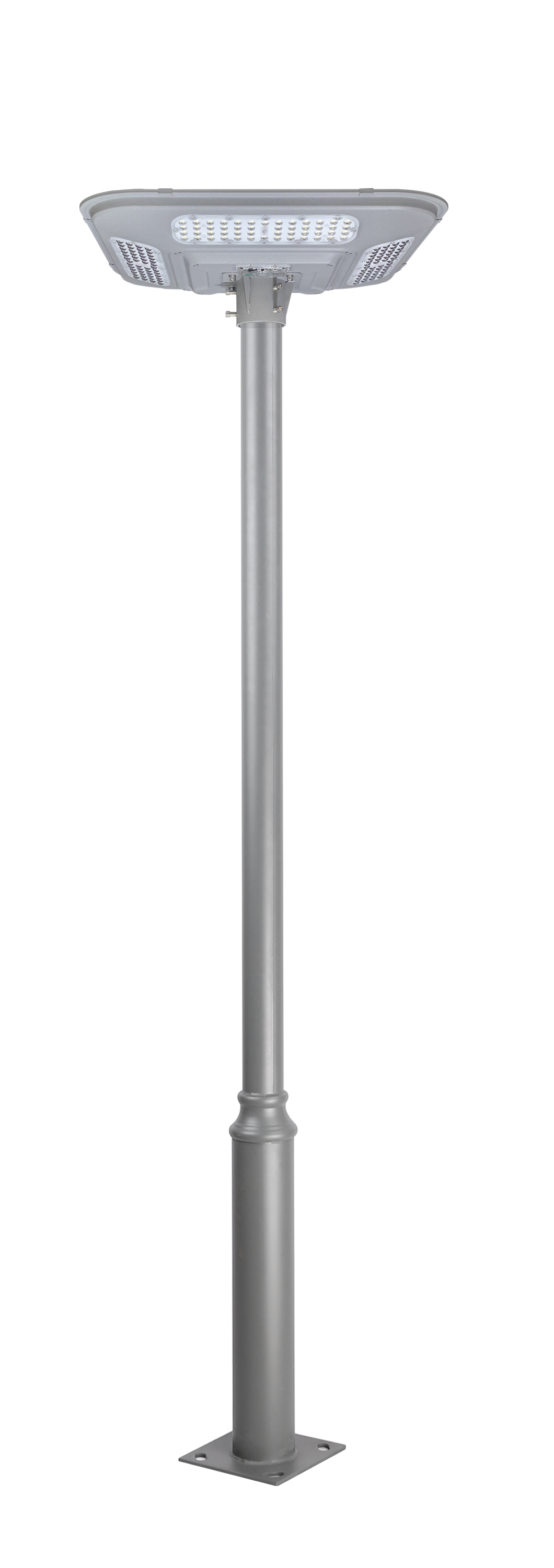
The housing is usually cast aluminum rather than thin plastic, and the panel sits under tempered glass. Seams are sealed with silicone gaskets so rain, dust, and bugs can't work their way inside.
Look for a rating of IP65 or higher. That means the internal wiring and battery compartment stay dry even in a downpour, and the metal finish is normally powder-coated to resist rust and chipping.
They won't get a full charge in heavy overcast, but a good monocrystalline panel still pulls in ambient light. The battery is sized to carry the light through a few gray days instead of quitting after one cloudy afternoon.
Yes, most durable models have a small screw-down battery door that fits standard AA or 18650 cells. Swapping in a fresh rechargeable battery every two or three years usually restores the original brightness.
Pick a spot that gets at least six hours of direct sun and isn't shaded by a fence, shrub, or overhanging branch. Also check the stake is solid metal so it won't crack when the ground freezes.
Higher-quality ones use warm white LEDs around 2700K to 3000K and a diffused lens, so you get a soft pool of light instead of a harsh blue dot. Metal caps and glass lenses help them look permanent.
A good one should easily go three to five years without major wear. UV-stable powder coating on the metal and real glass lenses instead of acrylic make the biggest difference.
Wipe the panel and lens with a damp cloth every month or two, and trim back plants that creep into the light path. If a tree leafs out above one, move it before the shade cuts the charge.
Conclusion
The biggest surprise with outdoor solar lights is how seldom the LED itself causes trouble. Most units get dim or dead because the plastic lens hazes over after months of sun, the battery gives up in cold weather, or moisture finds a way past a housing that looked sealed but wasn't. A light with a glass or coated polycarbonate lens, a low-temperature battery, and genuine gaskets around the seams and switch has a much longer useful life. Mounting choices matter just as much as the light head. Thin ground spikes wiggle loose in wind or frost heave, while sturdy fence mounts with stainless hardware tend to stay aligned and avoid water pooling near the base.
A quick five-minute routine once a month prevents many of these failures. Wipe the solar panel clean, clear any clogged drain holes, check the lens for clouding, and retighten the mount. Dirt and trapped moisture do more damage than rain alone, so this small habit keeps charging efficient and stops corrosion before it spreads. When a light starts fading, replace or test the battery before tossing the whole unit; often the LED and panel are still fine. Durable solar garden lights come down to practical details, not bold packaging claims. Choosing replaceable batteries with rubber-sealed compartments, smooth housing seams, and metal or thick composite stakes will usually carry a fixture through several winters instead of one season.
Contact Us
Contact Person: kitty
Email: [email protected]
Tel/WhatsApp: +8618676039824
Website: https://www.srssolargroup.com/