

Durable Printed Loop Pile Carpet Brings Lasting Style to Busy Spaces
2026-08-21
What if the busiest rooms in your building could also be the most stylish? Durable printed loop pile carpet makes that possible, blending tough, low-maintenance performance with vibrant, custom designs that hold up to constant foot traffic. At Senseco, we've seen how the right flooring transforms a space from forgettable to unforgettable—and this guide will show you exactly why it works.
This Carpet Takes a Beating in Hallways and Still Looks Sharp
Most hallway carpets start looking tired within a year. This one gets scuffed by shoes, hit with wet umbrellas, and vacuumed constantly, yet the fibers refuse to flatten or fray. The dense, low-profile pile keeps dirt from grinding in, so it doesn’t develop that grayish path down the center.
The secret is in the yarn. It’s a solution-dyed nylon with a tight twist, which means color goes all the way through and the strands spring back after being crushed. Even high-traffic spots near the front door or laundry room stay crisp, and the subtle heathered pattern does a great job of disguising any lint or dust between cleanings.
You won’t need to baby it. A quick pass with a vacuum keeps it looking sharp during the week, and an annual deep clean removes anything that tries to settle in. After a few years of real abuse, it still has the same clean, tailored look as the day it was installed.
Printed Loop Pile Patterns That Outlast the Chaos of Daily Life
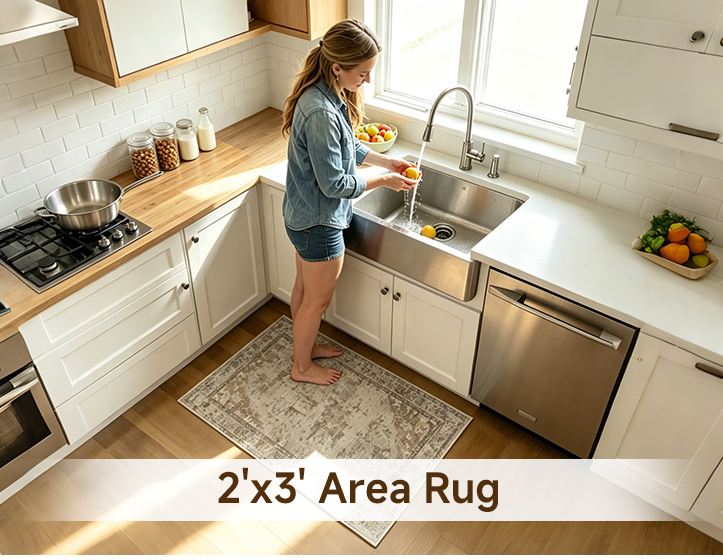
You know the drill: a muddy boot lands right on the pale geometric print, a cereal bowl tips over during breakfast, and the dog decides the hallway is the perfect place to shake off the rain. Most printed rugs would start looking defeated after a few weeks of that. These loop pile patterns are built differently. The loops are dense enough to keep the print crisp, but forgiving enough that everyday messes don't become permanent landmarks.
What makes the print actually last isn't some miracle coating — it's the way the color settles into the loop fibers. Instead of sitting on top where foot traffic can rub it away, the pigment works its way into the yarn. So even when you vacuum, spot-clean, or drag a chair across the surface, the pattern keeps its edges. Small stains also have a way of disappearing into the texture rather than announcing themselves on a flat weave.
That balance matters because a printed floor covering shouldn't demand constant supervision. You want a pattern that adds personality to an entryway or playroom, but you don't want to hover over every guest with a paper towel. These designs shrug off the spilled juice and the scuffs, letting the chaos of daily life stay in the background where it belongs.
No More Replacing Carpets Every Few Years in Busy Households
Between spilled juice, muddy footprints, and the occasional pet accident, most carpets in active homes start looking tired after two or three years. The fibers flatten, stains set in, and that once-plush feeling turns scratchy underfoot. Instead of budgeting for another full replacement, think about why the cycle repeats: cheap padding, thin pile, and light colors that hide nothing. A better strategy is to choose a carpet built for heavy traffic from day one, then give it the kind of care that doesn't feel like a part-time job.
Look for dense, low-profile loops or twisted nylon with a high ounce weight — these resist matting far longer than plush saxonies. Skip the bargain underpad; a firmer, moisture-resistant pad keeps the backing from breaking down and extends the carpet's life by years. On the cleaning side, a quick pass with a canister vacuum twice a week does more than a deep clean once a month, because it stops grit from grinding into the base. Buy a small spot cleaner and keep it charged, not buried in a closet.
None of this means you'll never replace the carpet. But when you combine the right material with low-effort habits — shoes off at the door, a simple runner in the hallway, moving one piece of furniture every few months — the timeline stretches from three years to ten or more. That's less landfill, fewer weekends lost to installers, and a floor that still looks respectable even after a decade of birthday parties and rainy-day dog walks.
Why Busy Offices Choose Printed Loop Pile Over Plain Alternatives
In a workplace where chairs roll, coffee splashes, and foot traffic never really pauses, plain loop pile can look tired within months. Printed loop pile, on the other hand, uses its pattern to absorb the small stains and scuffs that would otherwise stand out on a solid color. The loop construction itself handles heavy use without crushing, while the printed layer gives the floor a layered, less clinical appearance—something busy teams notice when they spend eight hours a day walking on it.
The practical appeal goes beyond hiding dirt. Offices rely on printed loop pile to define zones, reinforce brand colors, or simply add enough visual interest that the carpet doesn’t become a background afterthought. Unlike plain alternatives, which demand frequent spot cleaning to look presentable, a well-chosen print keeps the space feeling deliberate and maintained with far less effort.
The Underrated Durability of Printed Carpet Fibers in High-Traffic Rooms
Most people assume printed carpet fibers sacrifice strength for style, but the opposite is usually true in hallways, entryways, and family rooms. The ink and heat-setting process used to transfer patterns locks the yarn twist, which reduces fuzzing and fraying under constant foot traffic. Many printed carpets made from solution-dyed nylon or PET keep their pile height and color clarity longer than solid-colored versions, simply because the pattern hides minor compression marks that would stand out on plain carpet.
Cleaning reveals another edge. High-traffic carpet collects embedded grit, and printed fibers tend to release that grit without leaving a faded patch. Since the color is distributed through the entire fiber during manufacturing rather than applied only to the surface, vacuuming and occasional hot water extraction don't create the pale wear paths common in traditional cut-pile rugs. A printed carpet in a busy living room can look sharper after five years than a solid rug cleaned twice.
The visual layer adds a durability bonus too. A subtle medallion, border, or geometric field breaks up the eye's expectation of uniformity, so the slight shading changes that come with daily use read as part of the design rather than damage. That's why designers now specify printed carpet for rental properties and active households—the fibers don't need to be thicker or denser to last longer; the print itself works as a built-in forgiveness system.
Real Rooms Where Style Survives Spills, Stains, and Strollers
A living room that welcomes sticky fingers and muddy paws doesn’t have to surrender its personality. In one Brooklyn apartment, a navy performance velvet sofa sits squarely in the line of fire—juice cups, crayon mishaps, the occasional pet accident—and still looks sharp because the fabric wipes clean without a fuss. The trick is choosing materials that work as hard as the room’s occupants, then layering in pattern and texture so the inevitable scuffs read as part of the story rather than a flaw.
Storage gets the same practical treatment. Instead of hiding every toy behind closed doors, open baskets and low shelves keep board books, blocks, and train tracks within a child’s reach, while a vintage trunk doubles as both coffee table and costume bin. The room stays tidy enough for adult eyes, but no one has to tiptoe around it. A washable wool-blend rug anchors the space, its busy weave forgiving crumbs and spills between vacuum sessions.
Even the walls are in on the plan. Satin-finish paint takes a beating from stroller wheels and sippy cups, yet wipes down with a damp cloth, and a gallery wall mixes family photos with playful prints that can handle a stray hand without showing wear. The result is a home that doesn’t feel like a museum or a playroom—it simply works for everyone who lives in it.
FAQ
The loop pile construction keeps the fibers tightly anchored, so it resists crushing and matting even when people walk over it constantly. Dirt tends to sit on the surface rather than getting ground in, which helps it look tidy longer.
No, the print is applied with colorfast dyes that are designed to withstand routine vacuuming and occasional deep cleaning. To be extra safe, use a mild carpet cleaner and avoid harsh bleach-based products.
Weekly vacuuming is usually enough for everyday dust and debris. For spills, blot them right away with a clean cloth and warm water. A professional hot water extraction once or twice a year will lift embedded grime without damaging the print.
It works well in both places. The dense loop surface gives a firm, supportive feel that suits rolling chairs, while the printed design adds personality without being too plush or high-maintenance for a workspace.
Loop pile feels slightly firmer and more textured than cut pile, which many people find easier to walk on for long periods because it provides more support. It is not as fluffy, but it still feels soft enough for bare feet in living areas.
It pairs nicely with modern, industrial, and eclectic interiors because the low-profile texture keeps the pattern from overwhelming a room. Geometric or abstract prints suit minimalist spaces, while floral or tonal designs can soften a rustic or traditional setting.
The fibers are treated to repel liquid at first contact, so most spills stay on the surface if you act quickly. Mud and coffee should be blotted, not rubbed, and a mild detergent solution usually removes the mark without leaving a ring.
The pile height is moderate, typically around a quarter to a third of an inch, which gives it a low, durable profile. A dense felt or rubber underlay is recommended to add cushioning, reduce noise, and keep the carpet from shifting on hard floors.
Conclusion
Walk through any hallway after a few years of strollers, muddy shoes, and the occasional spilled juice box, and most carpets have already surrendered. The printed loop pile version doesn't. Its low, tightly packed loops resist the crushing and matting that flatten softer cut piles, so the pattern stays crisp even where foot traffic is heaviest. That matters in busy households where replacing carpet every few years isn't just costly—it's exhausting. And because the print is integrated into the fiber rather than sitting on top like a fragile coating, the designs don't fade into a muddy blur after the first dozen cleanings. You get a floor that still reads as intentional style, not a worn-out afterthought.
Offices have caught on for the same reason. A printed loop pile carpet can handle rolling chairs, dropped coffee cups, and constant back-and-forth without showing every scuff or stain. Compared to plain alternatives, the pattern works as a visual buffer—small marks and daily grime blend into the design instead of standing out. The fibers themselves are the underrated part: loop pile construction naturally resists fraying and holds its shape far longer than plush options. Practical rooms prove it, from entryways where wet boots pile up to playrooms where crayons and paint test every surface. Spills wipe up without leaving a permanent story. Stains don't dictate when the room gets a makeover. Style survives, because the carpet was built to take the chaos in stride.
Contact Us
Contact Person: Ivy Yin
Email: [email protected]
Tel/WhatsApp: +86 18519681805
Website: https://www.sensecomarketing.com/