
Cost-Effective Sanitary Napkin Machine: A Guide to Streamlining Production for Modern Manufacturers
2026-03-10
In the competitive landscape of feminine hygiene product manufacturing, achieving cost-effective production is no longer a luxury—it’s a necessity. Welcome to our guide on streamlining production with innovative sanitary napkin machines, designed specifically for modern manufacturers seeking efficiency without compromising quality. At Womeng, we understand the unique challenges faced in this dynamic industry, and we’re here to help you navigate them with cutting-edge solutions. From reducing waste to enhancing output, this blog will delve into actionable strategies and insights that can transform your operations. Get ready to discover how a smarter approach to machinery can lead to significant savings and a stronger market presence. Dive in to learn more about optimizing your production line for success!
Introduction to Modern Sanitary Napkin Manufacturing Efficiency
In today's competitive market, manufacturing efficiency in sanitary napkin production isn't just about cutting costs—it's a strategic advantage that drives innovation and sustainability. Gone are the days of slow, labor-intensive processes; modern facilities leverage automation and smart technologies to streamline operations from raw material handling to final packaging. For example, advanced robotics now handle delicate tasks like adhesive application and core forming with precision, reducing waste and ensuring consistent product quality. This shift not only boosts output but also allows manufacturers to respond quickly to changing consumer demands, such as the growing preference for eco-friendly materials.
Beyond machinery, efficiency is enhanced through data-driven insights and lean manufacturing principles. Many plants use real-time monitoring systems to track production metrics, identifying bottlenecks before they impact the line. By integrating IoT sensors and AI analytics, companies can optimize energy consumption and reduce downtime, leading to a smaller environmental footprint. This proactive approach often results in a 20-30% improvement in throughput, while maintaining strict hygiene standards required for personal care products. It's a holistic method that balances speed with care, ensuring every napkin meets both regulatory and customer expectations.
Looking ahead, the push for efficiency is sparking creative solutions like modular production lines and sustainable sourcing. Some manufacturers are adopting flexible setups that can switch between different napkin types—such as ultra-thin or overnight variants—without major retooling. This agility supports niche markets and custom orders, making production more adaptable. Additionally, by prioritizing recyclable or biodegradable components, companies are turning efficiency into a value-added feature that appeals to environmentally conscious consumers. In essence, modern manufacturing efficiency isn't just about doing things faster; it's about doing them smarter, with a focus on quality, responsibility, and long-term growth.
Key Features of Cost-Effective Napkin Production Equipment
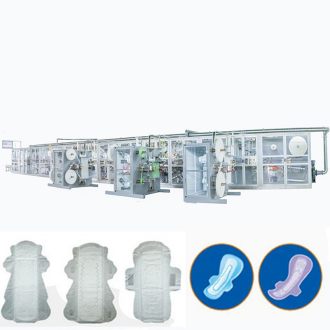
When you're setting up a napkin production line, it's not just about finding the cheapest machine out there. It's about smart investments. Truly cost-effective equipment strikes a fine balance between initial price and long-term savings. We're talking robust engineering that minimizes downtime, energy-efficient motors that cut operational costs, and durable components that don't need replacing every few months. It’s the kind of gear that hums along smoothly, letting you focus on quality output rather than constant maintenance calls.
Another hallmark of genuine value is versatility. The best machines are designed to handle a variety of paper grades and napkin sizes without cumbersome adjustments. This flexibility means you can pivot production based on market demand—switching from standard dinner napkins to premium cocktail styles quickly. It maximizes your equipment's utility, ensuring every production hour counts and reducing the need for multiple specialized units.
Beyond the hardware, true cost-effectiveness is often hidden in the software and support. Look for intuitive control systems that reduce operator training time and minimize errors. Reliable suppliers back their equipment with accessible technical support and readily available spare parts, preventing prolonged shutdowns. It’s this holistic approach—combining durable build, adaptable design, and strong after-sales service—that transforms a mere purchase into a strategic asset for your business.
Optimizing Workflow for Enhanced Productivity in Napkin Plants
In napkin plants, optimizing workflow isn't just about speeding up production lines; it's a holistic strategy that intertwines technology and human insights to reduce bottlenecks and elevate output quality. This involves implementing smart automation for tasks like cutting and folding, while ensuring that manual checks remain precise to catch subtle defects that machines might overlook. By fostering a culture of continuous improvement, plants can encourage team members to suggest tweaks in real-time, making operations more agile and responsive to fluctuating demand or supply chain challenges. For instance, integrating real-time data analytics can predict maintenance needs before downtime occurs, keeping machines humming smoothly and minimizing unexpected halts, which directly translates to higher productivity and cost savings.
Beyond machinery, optimizing workflow in napkin plants often hinges on redesigning physical layouts for better material flow and safety. Many facilities find success by rearranging workstations to shorten travel distances between processing stages, such as from pulp preparation to embossing or packaging. This not only speeds up the transition but also reduces the risk of contamination or damage to delicate products. Adopting lean principles, like just-in-time inventory management, can further cut waste by ensuring raw materials arrive exactly when needed, preventing storage costs and spoilage. Coupled with ergonomic enhancements for workers—such as adjustable stations or automated lifting aids—these changes boost morale and efficiency, creating a more sustainable and productive environment where every step is fine-tuned for peak performance.
Looking forward, optimizing workflow in napkin plants increasingly incorporates digital transformation, such as using IoT sensors to monitor humidity and temperature for optimal paper quality. This enables plants to adjust conditions on-the-fly, ensuring products meet stringent standards without excess energy use. Training programs that upskill employees in new technologies and problem-solving techniques also play a crucial role, empowering them to handle complex tasks with confidence. By blending these elements, napkin plants can achieve enhanced productivity that's not just a temporary spike but a lasting advantage, staying competitive in a market where efficiency and sustainability are key drivers of success.
Innovative Design Elements That Reduce Operational Costs
Emerging technologies like smart building systems and IoT sensors are transforming operational efficiency by automating tasks such as lighting, HVAC, and energy management. These elements allow businesses to monitor resource usage in real-time, reducing wastage and lowering utility bills significantly.
Incorporating modular and renewable materials into construction can slash maintenance costs over time. For instance, self-healing concrete or solar-integrated facades not only cut down on repair expenses but also decrease reliance on external energy sources, boosting long-term savings.
By leveraging AI-driven predictive maintenance, companies can anticipate equipment failures before they occur, avoiding costly downtime and replacements. This proactive approach enhances productivity while trimming operational budgets through smarter, data-informed decision-making.
Case Studies: Real-World Applications in Manufacturing Settings
Exploring how leading companies have implemented advanced solutions, these case studies highlight practical outcomes in manufacturing. For instance, one automotive manufacturer leveraged IoT sensors and predictive analytics to reduce equipment downtime by 30%, boosting production efficiency while cutting maintenance costs. Such real-world examples demonstrate the tangible benefits of integrating technology on the factory floor, from improved quality control to streamlined supply chains.
In another scenario, a food processing plant adopted a digital twin system to simulate production lines, enabling operators to test changes virtually before implementation. This approach not only accelerated process optimization but also minimized risks associated with trial-and-error adjustments. By showcasing these applications, the case studies reveal how manufacturers are overcoming challenges like labor shortages and fluctuating demand through innovative, data-driven strategies.
Beyond individual successes, these applications collectively illustrate a shift toward smarter manufacturing ecosystems. From small-scale workshops using robotics for precision tasks to large facilities deploying AI for demand forecasting, the case studies capture diverse contexts and solutions. This variety underscores the adaptability of modern technologies, offering insights that inspire others to tailor approaches to their specific operational needs and industry dynamics.
Future Trends and Upgrades for Sustainable Napkin Production
The future of sustainable napkin production is poised for a significant shift towards innovative materials, with a growing emphasis on plant-based alternatives like hemp, bamboo, and agricultural waste fibers. These materials not only reduce reliance on virgin wood pulp but also boast lower water and energy footprints during cultivation. Beyond traditional recycling, advancements are expected in upcycling techniques that transform post-consumer textiles into high-quality napkins, closing the loop in circular economies and minimizing landfill waste.
Technological upgrades are set to revolutionize manufacturing processes, with AI-driven systems optimizing material usage and reducing scrap rates by over 15% in pilot projects. Solar-powered facilities and waterless dyeing methods are emerging as game-changers, slashing carbon emissions and conserving resources. Smart sensors in production lines enable real-time monitoring, ensuring consistency in eco-friendly batches while enhancing energy efficiency—key factors that make these napkins both greener and more cost-effective over time.
Consumer-driven trends are pushing for transparency and durability, leading to innovations like compostable coatings that extend napkin life without harmful chemicals. Brands are experimenting with modular designs, allowing users to replace worn edges instead of discarding entire napkins. This shift, coupled with digital traceability via QR codes showing a napkin's environmental impact, fosters trust and aligns with a broader move towards mindful consumption in everyday products.
FAQ
Selecting the right machine involves evaluating throughput capacity, automation levels, and energy efficiency to maximize long-term savings without compromising on output quality.
Streamlining is achieved by integrating advanced automation, optimizing workflow layouts, and implementing real-time monitoring systems to reduce downtime and enhance productivity.
Essential materials include non-woven fabrics, absorbent cores like SAP (superabsorbent polymer), and leak-proof barriers, all sourced from reliable suppliers to ensure consistent product performance.
Regular cleaning, lubrication of moving parts, and scheduled inspections help prevent breakdowns, extend machine life, and maintain operational efficiency over time.
It reduces initial capital outlay and operational expenses, such as labor and energy costs, leading to lower per-unit costs and increased profitability for manufacturers.
Look for features like PLC controls, touch-screen interfaces, and automatic fault detection, which enhance precision, ease of operation, and adaptability to varying production demands.
Conclusion
The guide "Cost-Effective Sanitary Napkin Machine: A Guide to Streamlining Production for Modern Manufacturers" offers a comprehensive roadmap for manufacturers seeking to enhance efficiency in sanitary napkin production. It begins by introducing modern manufacturing efficiency in the industry, highlighting how streamlined processes can significantly reduce waste and operational delays. The guide details key features of cost-effective production equipment, emphasizing advanced automation and smart controls that minimize manual intervention while boosting output. By optimizing workflows, plants can achieve enhanced productivity through integrated systems and real-time monitoring, ensuring smooth operations from raw material handling to final packaging.
Innovative design elements are explored to tackle operational costs, such as energy-efficient components and modular setups that allow easy upgrades. Real-world applications are showcased through case studies, demonstrating how manufacturers have successfully implemented these strategies to cut expenses and improve product quality. Looking ahead, the guide discusses future trends, including sustainable materials and digital integration for eco-friendly production. This forward-thinking approach not only positions manufacturers competitively but also aligns with growing consumer demands for sustainability, making it an essential resource for modernizing napkin production facilities.
Contact Us
Contact Person: Jessie Lai
Email: [email protected]
Tel/WhatsApp: 86-188594442931
Website: https://www.wm-machinery.com