

Chocolate Chip Machine Makers Worth Considering for Small Batch Production
2026-11-26
Most chocolate chip machines are either sized for industrial runs or built like hobby gadgets, and small batch producers get stuck in the middle. That is where the right equipment starts to matter, not just for output but for repeatability, cleanup, and not babysitting every cycle. GUSU focuses on that middle ground, which is why it belongs in any shortlist of makers worth considering for small batch production. Here are the names that stood out.
Countertop Depositors That Won’t Crowd a Test Kitchen
A depositor doesn’t need a wide footprint to handle precise portioning. Several current models keep the hopper and discharge assembly close to the body, so the unit slides under upper cabinets or tucks against a backsplash without blocking the main prep zone. The controls stay within thumb reach, and the feed tray lifts off for a quick rinse instead of demanding a permanent wash station.
The real space saver is how these machines replace a row of piping bags and hand scoops. Once the piston stroke and nozzle height are set, the same bench area can shift from filling tart shells to depositing muffin batter without swapping in extra equipment. For a test kitchen where counters double as photo and tasting surfaces, that means fewer tools left out and less time spent rearranging the room between recipes.
Builders That Make Recipe Changeovers Feasible by Hand
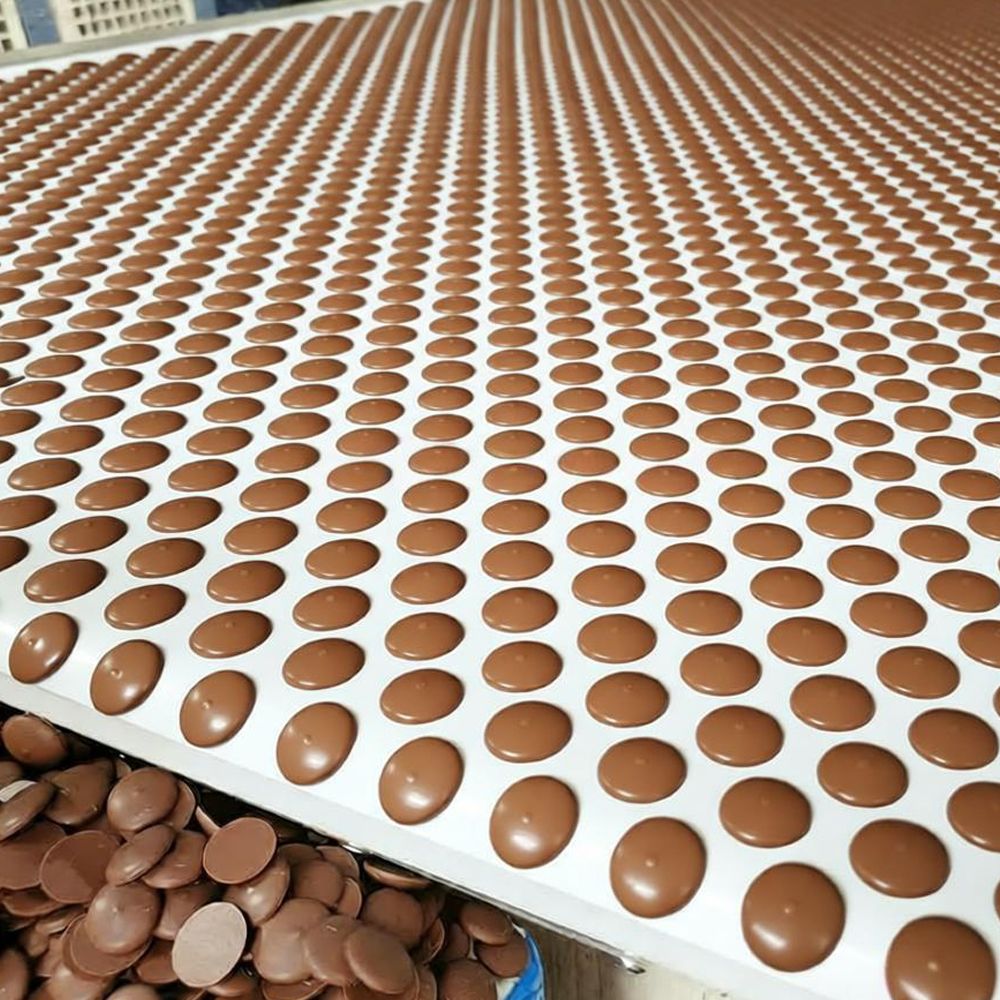
The real bottleneck in small-batch production rarely shows up on a spec sheet. It is the moment a line stops while someone wrestles with bolts, hoppers, and leftover material. Builders designed for manual changeovers attack that problem directly. Their frames keep critical contact points within arm's reach, and locking points are placed so a single operator can release and reseat them without climbing or crouching. That makes a swap feel less like a repair job and more like changing a magazine.
The useful designs also cut down on guesswork. Instead of relying on memory, operators get physical cues: a lever that only seats one way, a rail that stops at the correct depth, or a guard that cannot close unless the new insert is flush. These are not complicated features, but they remove the small misalignments that usually force a second adjustment run. When recipes change three or four times a shift, those avoided corrections are the difference between hitting the day's schedule and losing an hour to tinkering.
Some builders go further by making the changeover tool-free. Pins, thumb screws, and slide-out cassettes replace wrenches and lift assists. That does not just speed up the switch; it changes who can do it. A trained operator can handle the full change without maintenance support, which keeps small runs practical and reduces the temptation to push a recipe longer than it should run.
Machines Designed Around Chunky Chocolate and Nut Mix-Ins
Standard mixing paddles are usually the wrong tool for a batch loaded with whole almonds and thick chocolate chunks; they either crush the inclusions or let them settle in dead zones. The machines built for these mixes start with geometry instead of speed. Wider paddle clearances, rounded edges, and slower fold patterns keep the chunky pieces moving through the mass without turning the chocolate into streaks or the nuts into powder.
Temperature control is shaped around the chocolate just as much as the mixing action. Instead of running cold only through the trough walls, the cooling is routed close to the high-shear areas where friction builds fastest. That keeps the chocolate chunks firm enough to hold their edges while the nut pieces stay crisp rather than steaming or softening in residual heat.
The real difference shows up at discharge. A well-designed chunky mix machine drops the batch without a final squeeze through narrow ports or star valves that would damage the inclusions, so the finished product still has visible whole nuts and distinct chocolate pockets rather than a uniform smear.
Compact Tempering and Holding Tanks for Chip Runs
Most chip lines inherit equipment scaled for block or bar production, which makes a compact tempering and holding setup feel noticeably different. The tanks sit closer to the depositor or drop roller, cutting the distance warm chocolate travels and reducing the chance that viscosity shifts before the chips are formed. A smaller working volume also means a recipe change takes less time to stabilize.
In the tempering tank, dimpled water jackets and slow-moving scrapers do the real work. For chip runs, the target curve can be kept within half a degree, usually holding dark couverture around 31–32 °C while the cocoa butter crystals develop. The holding tank then maintains that condition with gentle agitation, adding just enough movement to stop separation without whipping in air that would leave pits or tails on the finished chips.
Day-to-day handling tends to be easier because the vessels are designed for frequent drain-downs. A flip-top manway, low-level outlet, and spray ball allow a small batch to be emptied, rinsed, and switched to a different chocolate or compound without a lengthy teardown. Load cells under the legs give a direct read on remaining volume, so the operator can plan the next melt instead of guessing when the line will run dry.
Refurbished and Rebuilt Units Worth a Closer Inspection
Refurbished and rebuilt units rarely get the attention they deserve, yet a closer inspection often reveals hardware that has been thoroughly tested, repaired, and brought back to spec. Rather than dismissing them as used goods, buyers who take the time to examine board-level work, replaced components, and updated firmware can find equipment that performs like new at a fraction of the cost.
A meaningful check goes beyond cosmetic condition. Look for documented repair histories, calibration records, and actual load-test results. In many cases, rebuilt units carry newer revisions of circuit boards or upgraded connectors that original production runs lacked, making them surprisingly dependable choices for demanding environments.
The real advantage shows up in total cost of ownership. With warranties that often match new units and availability that avoids long lead times, refurbished hardware can be a pragmatic alternative for teams that need reliable performance without overpaying for factory packaging.
What a Maker’s Service Network Reveals Before Purchase
A thin service map often says more about a company than any brochure. When authorized workshops cluster only near major cities, buyers in smaller towns can expect long downtime and freight charges for parts that should be local. The density of the network, and whether technicians receive ongoing training on the exact model you are considering, tells you whether the brand treats support as a cost to minimize or as part of ownership.
Look past the logo count. The quality of the network shows up in loaner equipment availability, mobile service vans, hours that match real working schedules, and parts warehousing that does not route every small repair through a regional hub. A manufacturer with genuinely distributed stock and independent repair options is signaling that its machines are meant to stay in service, not to get replaced on a short cycle.
Before signing, ask for territory maps, average first-visit fix rates, and escalation paths. A maker that can show you which technician covers your zip code, how quickly critical components arrive, and what happens after the warranty expires is giving you an honest look at the relationship you are actually buying. The absence of that detail is itself a warning.
FAQ
Capacity and cleanup matter more than speed. A hopper that holds a full working batch, nozzles that release cleanly across a slab, and tool-free parts for quick changeovers will serve a micro-batch operation better than a long cooling tunnel you rarely fill. Precise temperature control is also worth paying for because it reduces tailing and misshapen chips.
Selmi and FBM both build compact depositing systems that work well in smaller pastry kitchens and chocolate studios. Dedy produces solid standalone depositors that can fit a modest bench or cart setup. For buyers in North America, Savage Bros. is sometimes easier to reach for parts and service on smaller equipment.
If chips are your main output, yes. Dedicated chip machines usually include nozzle plates and belt or tray settings already tuned for uniform drops, so you spend less time adjusting. A multi-purpose depositor gives flexibility for bars, truffles, or filled centers, but every product change adds setup work that can eat into a small batch day.
Many can, but you should test them with your own formula. A piston depositor often handles thicker couverture and small inclusions better than a screw-fed unit, while a vibrating hopper can help with flow. Ask the maker for a short trial run, especially if you use dark chocolate with high viscosity or add very fine nut pieces.
A small depositor operated by one person typically produces 10 to 40 kg per hour depending on nozzle count, chip size, and cooling time. The lower end is more realistic when you factor in refilling, tray changes, and periodic scraping of the hopper sides. Small batch work is usually about consistency rather than raw throughput.
Yes, several manufacturers offer interchangeable depositing plates or custom-machined nozzles. Dedy and FBM supply different drop sizes as standard options, and specialty workshops can produce custom plates from a drawing. The main practical limit is chocolate flow: very thin or complex shapes may need a lower-viscosity formula.
Plan for regular replacement of seals, scraper blades, and nozzle gaskets, plus occasional belt alignment. On smaller machines these parts are not expensive, but neglecting them causes uneven deposits and chocolate buildup. Ask about spare parts availability before buying, because a machine that is down for two weeks during a production window costs more than the part itself.
Conclusion
Small batch chocolate chip production rarely rewards buyers who chase the largest, fastest equipment. The more practical path usually starts with countertop depositors that can sit on a prep table without stealing workspace, especially in a test kitchen where a full-scale line would be absurd. These smaller units tend to shine when recipe changes happen by hand. Look for builders who do not require pneumatic lifts or custom tooling just to move from a 55% dark chocolate base to a caramelized white chip batch. A few minutes of manual adjustment beats an afternoon of downtime when you are only pulling twenty or thirty pounds at a stretch.
That same thinking carries into mix-in handling. Machines designed for chunky chocolate pieces and nut inclusions usually have wider hopper throats and gentler depositing heads, which prevents the constant jamming that plagues standard nozzles. Pair one with a compact tempering and holding tank sized to your actual chip runs, not a future factory retrofit, and the work stays manageable. Before committing, it is also worth looking at refurbished or rebuilt units from the maker, since a well-restored depositor often delivers the same output at half the cost. Finally, ask about the service network. A maker with local technicians, clear parts lists, and a phone number that actually answers tells you more about long-term reliability than a glossy spec sheet ever will.
Contact Us
Contact Person: Zhang Wei
Email: [email protected]
Tel/WhatsApp: 8618662577837
Website: https://www.chocomachinery.com