

China Switch Cabinet: A Comprehensive Guide to Electrical Enclosures and Distribution Solutions
2026-07-21
Ever wonder what keeps the electrical heartbeat of modern industry pulsing without a hitch? It’s not just wires and breakers—it’s the humble switch cabinet, the unsung hero of power distribution. In a market flooded with options, finding enclosures that blend safety, efficiency, and longevity can feel like hunting for a needle in a haystack. That’s where Chang Song steps in—a player quietly redefining China’s electrical enclosure game. Get ready to crack open the world of switch cabinets and see why the right choice can mean the difference between spark and stall.
Tracing the Shift from Metal Boxes to Intelligent Power Hubs
For decades, power distribution was a purely mechanical affair: transformers and switchgear sat in nondescript enclosures, their sole purpose to route electricity with minimal fuss. These early units were rugged but stubbornly simple, offering little beyond basic protection. Operators relied on physical inspections and reactive maintenance, often learning about problems only when lights flickered or systems failed. The metal box was a silent, unthinking workhorse—functional, yet disconnected from the rapidly digitizing world around it.
The turning point came as data centers, telecom networks, and industrial facilities demanded more than raw power; they craved efficiency, resilience, and foresight. Manufacturers began embedding sensors, communication modules, and microprocessors directly into power gear. Suddenly, that dormant cabinet could stream real‑time load data, predict component wear, and even self‑optimize voltage. It was no longer just a container—it was becoming a node on the network, capable of talking to building management systems and cloud platforms without human hand‑holding.
Today’s intelligent power hubs represent a leap beyond incremental upgrades. They dynamically balance phases, isolate faults in milliseconds, and support bidirectional flows for renewables and storage. AI‑driven algorithms analyze patterns to trim energy waste and extend equipment life. The physical shell has evolved too: modular, hot‑swappable designs make upgrades as easy as sliding in a new pack. What began as a dumb shell has matured into a strategic asset—one that not only delivers power but actively shapes how we use it.
Decoding the Anatomy of a High-Performance Switch Cabinet
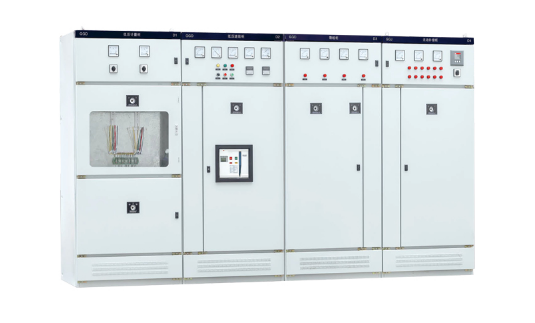
Peek inside a truly high-performance switch cabinet and you’ll quickly see it’s not just a metal box with breakers. The frame alone speaks volumes—rigid, precision-welded steel forms a skeleton that shrugs off vibration, thermal stress, and the relentless push-pull of heavy components. Every seam is sealed, every gasket carefully chosen to keep out conductive dust and moisture without choking airflow. Busbars aren’t afterthoughts; they’re shaped and plated to minimize hotspots, often staggered or insulated in ways that lower impedance and fight electromagnetic interference before it can ripple through sensitive circuits. Even the paint matters: anti-corrosion coatings and a smooth, non-porous finish prevent tracking paths and make arc flash containment a disciplined science, not a gamble.
Ventilation isn’t left to chance either. Active cooling pathways are carved into the cabinet’s layout, with fans or heat exchangers positioned to create a deliberate cold-to-hot aisle even inside a single enclosure. Cable entry points use brush strips or compression glands that maintain the IP rating while letting power and data snake in without kinks. Inside, clear compartmentalization separates low-voltage controls from high-energy sections, with shrouds and barriers that shield maintenance crews and confine any fault energy to a tiny, predictable radius. It’s a layout born from countless thermal imaging sessions and arc flash studies, where every inch of clearance has a reason—often one written in safety regulations and hard-earned field experience.
Matching Enclosure Protection Ratings to Environmental Demands
It’s tempting to over-specify a high IP rating just to be safe, but that often leads to unnecessary costs and thermal complications. The real skill lies in reading the environment honestly. A dusty factory floor with occasional washdowns demands something very different from a clean indoor control room. Instead of reaching for the highest number by default, look at the specific threats: is it fine conductive dust, splashing water from a specific direction, or temporary submersion after a flood? Each digit in an IP code answers a particular challenge, so matching it precisely can save money and prevent overheating by avoiding sealed enclosures that trap heat when they could have breathed.
Outdoor installations add another layer of complexity. Sun exposure causes temperature swings that create internal condensation, while wind-driven rain hits enclosures with far more force than a gentle laboratory spray test. A unit rated IP65 might survive in a sheltered corner but fail on an exposed pole near the coast, where salt-laden mist works its way past seals over time. Here, material choice becomes just as critical as the rating itself—a stainless steel enclosure with the same IP code as a painted carbon steel one will outlast it in a corrosive atmosphere, even though the digits suggest identical protection.
Dynamic hazards also deserve attention. Moving machinery that kicks up debris or a washdown hose directed from various angles requires understanding not just the test standard, but what it doesn’t cover. An IP67 rating guarantees survival after brief immersion in still water, but not against a high-pressure jet at close range—that’s the IP69K realm. Conversely, an enclosure might keep out dripping water perfectly yet still let in humidity that corrodes internal components. This is where experienced engineers learn to pair IP data with additional measures like desiccant breathers or conformal coating, creating a real-world defense that no single rating fully captures.
How China’s Industrial Expansion Is Redefining Distribution Standards
China's industrial boom has sparked a logistics revolution, with massive automation hubs and smart sorting systems drastically cutting delivery times. Major e-commerce players are now using AI-driven warehouses that can process millions of parcels daily, pushing global retailers to rethink their fulfillment strategies.
The expansion of high-speed rail and dedicated freight corridors has enabled a level of distribution precision that was once hard to imagine. Goods move from coastal manufacturing centers to inland cities within hours, blurring the line between local and cross-regional delivery in a way that challenges traditional logistics frameworks.
Beyond technology, a new mindset of hyper-efficiency is taking root. Same-day and even on-demand delivery is becoming the norm, not just in megacities but in smaller towns, compelling international logistics firms to adopt more agile, customer-centric models to keep pace.
Material Choices That Extend Service Life in Harsh Conditions
Selecting the right material is often the difference between a component that fails within months and one that lasts for decades under punishing conditions. Engineers have long understood that standard steel and polymers quickly degrade when faced with constant salt spray, extreme temperatures, or abrasive chemicals. Today, the emphasis has shifted toward carefully alloyed stainless steels, duplex grades, and high-performance plastics like PEEK or PTFE, each chosen for their specific resistance to a particular stressor. The key isn't just picking a tough-sounding material; it's matching the exact failure mode—whether pitting, cracking, or chemical attack—to a material’s inherent strengths, often through accelerated life testing that replicates years of service in a matter of weeks.
Coatings and surface treatments further push the limits of what base materials can endure. A well-applied ceramic or epoxy layer, for instance, can shield equipment from acid fumes or constant abrasion, while nitriding or carburizing adds a hard, wear-resistant skin to softer metals. These choices aren't afterthoughts; they're integral to the design, often allowing the use of a lighter, more machinable core material that would otherwise be wholly unsuited. The challenge is ensuring that the coating remains bonded through thermal cycles and mechanical stress, a problem that continues to refine the art of material selection.
Practical Layout Strategies to Balance Safety and Operational Flow
A well-conceived floor plan does more than just define where equipment sits—it shapes how people and materials move without friction. Rather than defaulting to wide-open expanses or rigid, partitioned zones, the most effective layouts use subtle spatial cues. Angled rack placements, staggered workstations, and slightly recessed pedestrian paths can nudge traffic into safer patterns without the need for constant signage or supervision. The goal is to make safe choices the path of least resistance.
Visual connectivity often gets sacrificed in the name of segregation, but buffer zones can serve dual purposes. A painted floor boundary or a low-profile guard might physically separate forklift aisles from manual picking areas, while still allowing eye contact between operators. This transparency fosters mutual awareness, cutting down the surprise encounters that lead to near misses. Integrating safety into the visual flow, instead of treating it as an add-on, keeps operations humming and incident rates low.
Flexibility should be built in from the start, not retrofitted later. Modular work cells on casters, reconfigurable shelving units, and marked “flex lanes” let a layout breathe with seasonal peaks or product changes, avoiding the bottleneck panic that pushes workers to take risks. When a space adapts easily, safety protocols feel like a natural fit rather than an obstruction, and throughput stays steady even under pressure.
FAQ
Think of a switch cabinet as the central hub that keeps electrical circuits safe and organized. It houses protective devices like circuit breakers and fuses to control and isolate power, preventing overloads and faults. Without it, managing electricity in factories, malls, or data centers would be chaotic and dangerous.
Chinese manufacturers often blend rigorous international standards with cost-effective engineering. You’ll see a strong emphasis on modular designs, smart monitoring integration, and rapid customization. Many also meet both IEC and local GB standards, making them versatile for global projects without sacrificing reliability.
Certainly. From sealed IP65 units for harsh outdoor environments to ventilated designs for indoor substations, each serves a purpose. Common variants include fixed-type for straightforward setups, withdrawable for easy maintenance, and arc-resistant cabinets that redirect explosive energy away from personnel.
Prioritize the operational environment—temperature, humidity, dust. Then match the cabinet’s protection rating and material (stainless vs. carbon steel). Internal layout matters too: busbar accessibility, cable entry points, and space for future expansions often determine long-term satisfaction.
Many now incorporate IoT sensors and communication modules that feed live data to building management systems. This allows for remote monitoring of temperature, humidity, and circuit status, enabling predictive maintenance rather than reactive fixes.
Definitely. Data centers love their high fault tolerance and cooling-friendly layouts. Renewable energy farms rely on them for inverter-grid connections. Heavy manufacturing uses tough, corrosion-resistant models. Even commercial high-rises benefit from compact, modular units that fit tight electrical rooms.
Regular thermal imaging checks can catch loose connections before they fail. Keep the interior clean from dust, verify that ventilation paths aren’t blocked, and test mechanical interlocks. In humid zones, heaters or dehumidifiers inside the enclosure prevent condensation that leads to flashovers.
Conclusion
The evolution of China's switch cabinet industry reflects a remarkable journey from simple metal enclosures to intelligent power hubs that form the backbone of modern electrical distribution. Initially built as basic protective housings, today's cabinets integrate advanced monitoring, remote control, and data analytics capabilities, enabling predictive maintenance and real-time load management. This shift is driven by the country's rapid industrialization, which has pushed distribution standards toward higher safety, efficiency, and adaptability. The anatomy of a high-performance unit reveals meticulous engineering: robust busbar systems, modular component arrangements, and thermal management designs that ensure reliability even under continuous heavy loads. Material selection further defines longevity—galvanized steel and stainless alloys resist corrosion in humid or chemically aggressive environments, while powder-coated finishes prevent degradation in outdoor installations. These choices extend service life significantly, reducing total cost of ownership for commercial and industrial users.
Practical layout strategies have become equally critical, balancing operational safety with accessibility. Modern designs position circuit breakers and switches in logical, segregated zones to minimize arc flash risks while allowing swift intervention. Ventilation pathways are carefully routed to dissipate heat without compromising the enclosure's protection rating, which must align with environmental demands—from dust-laden factories requiring IP5X seals to outdoor sites needing IP65 or higher against rain and debris. China's industrial expansion has not only scaled up production but also catalyzed innovation in customization, as sectors like renewable energy, data centers, and smart grids seek tailored distribution solutions. This comprehensive approach ensures that switch cabinets are no longer passive containers but dynamic assets that enhance uptime, safety, and energy efficiency in an increasingly connected power infrastructure.
Contact Us
Contact Person: Tonglun Chen
Email: [email protected]
Tel/WhatsApp: 8618906642555
Website: https://www.cncsele.com