

China BOV Aerosol Cosmetics Manufacturer: Revolutionizing Eco-Friendly Beauty Packaging
2026-07-16
In the fast-evolving world of beauty, packaging is no longer just a container—it's a statement. As sustainability takes center stage, China's BOV aerosol technology is reshaping the industry, and Wilson is at the forefront of this green revolution. Discover how innovative eco-friendly packaging is transforming cosmetics, combining style with environmental responsibility.
Redefining Beauty Packaging Through Air-Powered Innovation
Air-powered innovation is quietly reshaping how beauty products are dispensed, preserved, and experienced. Instead of relying on traditional pumps or squeezable tubes, this approach uses compressed air or vacuum systems to push product out seamlessly—down to the very last drop. The result isn't just less waste; it's a completely different tactile encounter that feels effortlessly sophisticated and surprisingly satisfying. There's no fighting with a half-empty bottle or scraping the sides of a jar, just a clean, controlled flow that puts the focus back on the formula itself.
Beyond the user experience, the shift toward air-powered mechanisms carries real implications for product integrity. Many high-performance serums, creams, and foundations are vulnerable to oxidation or contamination once exposed to air and fingertips. By isolating the formula within an airtight chamber, these packaging designs help maintain potency and extend shelf life without leaning heavily on synthetic preservatives. It’s a subtle but powerful change—one that aligns with the growing demand for cleaner beauty without sacrificing efficacy or safety.
What makes this direction particularly compelling is how it reimagines packaging as an active partner in the skincare ritual rather than a throwaway vessel. Brands adopting this technology are able to slim down their packaging footprint, sometimes using recyclable or refillable cartridges that fit into durable outer casings. The quiet hiss of an air-powered dispenser becomes part of the morning routine—a small, deliberate moment that signals care, precision, and a departure from the wasteful norms of the past.
Why Bag-on-Valve Technology Is a Quiet Gamechanger
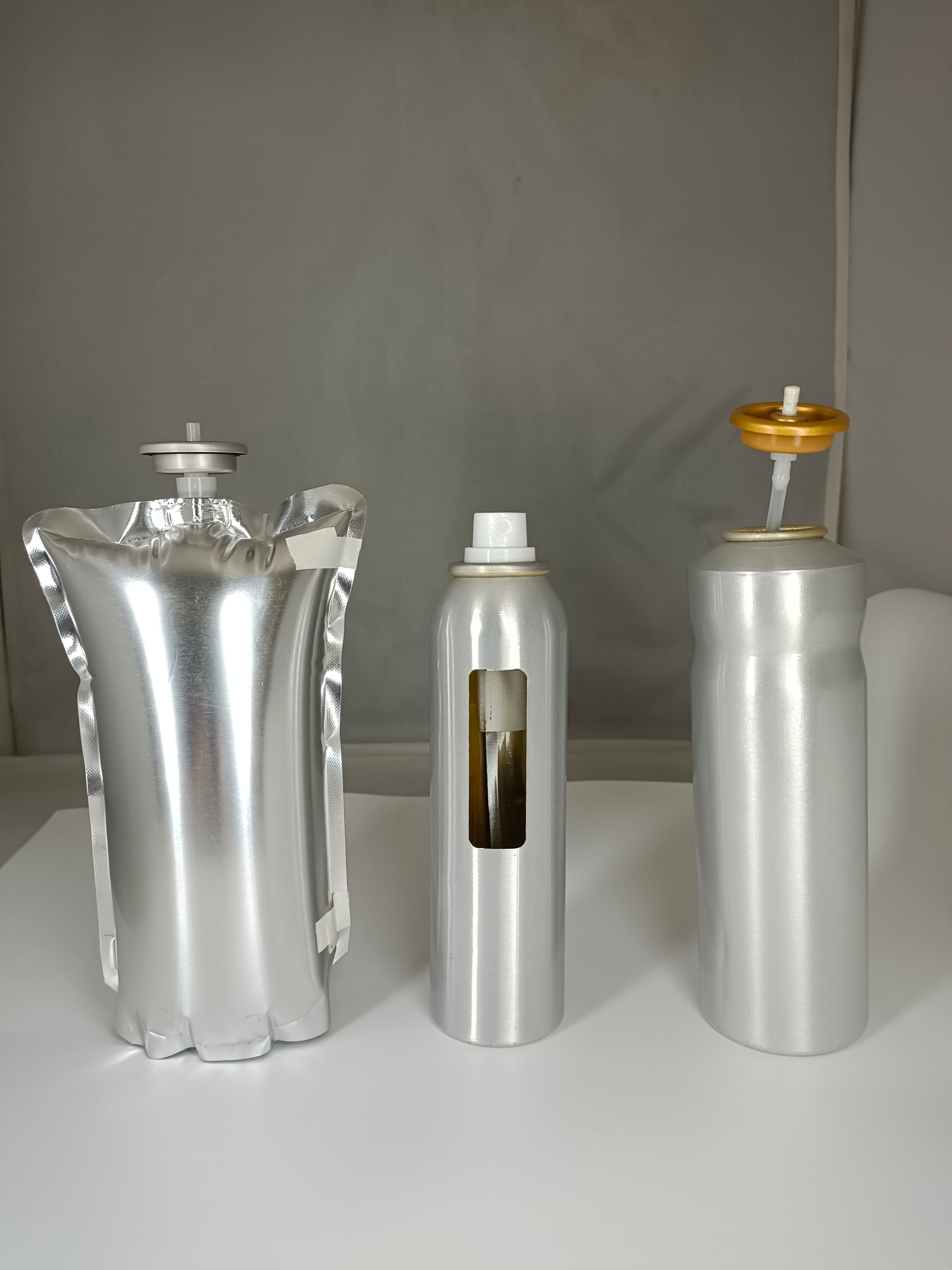
Bag-on-valve technology might not make headlines, but it's quietly revolutionizing how we think about product packaging and dispensing. Unlike traditional aerosol systems, the product is enclosed in a sealed pouch, separated from the propellant. This means you get a pure, uncontaminated spray every time, without any of the gassy residue that can alter formulations or user experience. For industries like skincare, pharmaceuticals, and food, that kind of integrity is a subtle yet profound shift.
What makes it a gamechanger is the near-silent, mess-free delivery. There's no need to shake the can, no sputtering at the end of its life, and the bag collapses evenly, pushing out almost every last drop. It works at any angle, even upside down, which is a huge convenience for products like spray-on bandages, sunscreens, or cooking oils. The lack of pressurization within the product itself also opens the door to more sensitive, natural ingredients that can't survive standard aerosol systems.
From an environmental and cost perspective, the benefits compound quietly. Bag-on-valve systems often use less propellant and can employ compressed air or nitrogen—gases that are far friendlier than traditional hydrocarbons. The packaging can also be lighter and less prone to waste, since consumers can easily get the full value of what they paid for. This unassuming technology is slowly reshaping shelf appeal and performance expectations, proving that sometimes the most meaningful innovations are the ones you don’t hear about.
Inside the Eco-Conscious Shift Led by Chinese Manufacturing
Beneath the hum of assembly lines, a quiet transformation is reshaping the world’s factory floor. Chinese manufacturers, once synonymous with breakneck production speed and thin margins, are now pioneering green manufacturing practices that rival the strictest international standards. From solar-powered textile mills in Zhejiang to zero-waste electronics facilities in Guangdong, this shift isn’t merely about compliance — it’s a strategic reimagining of industrial identity.
What’s driving this change? Partly, it’s the pressure of global supply chains demanding transparency and lower carbon footprints. But equally important is an internal awakening: a generation of factory owners and engineers who see sustainability as a competitive edge rather than a burden. They’re adopting circular economy models, where waste from one process becomes fuel for another, and investing heavily in renewable energy grids that cut both emissions and long-term costs.
Yet, the journey is far from smooth. Many small and medium enterprises grapple with the upfront costs of retrofitting equipment, while others struggle to source eco-friendly raw materials at scale. Still, the momentum is undeniable. Government incentives, consumer expectations, and a growing sense of corporate responsibility are turning this eco-conscious shift into a permanent fixture of China’s industrial landscape — one that may well redefine global manufacturing norms.
Bridging Sustainability and High-End Aesthetics
The intersection of environmental responsibility and refined design is no longer a paradox—it’s the new standard for brands that want to lead without compromise. By selecting reclaimed woods, low-impact dyes, and energy-efficient production methods, designers craft pieces that feel both fresh and consciously made. The result is a visual language that doesn’t shout “eco” but whispers it through texture, form, and a quiet confidence.
Luxury, in this context, emerges from intention rather than excess. Artisans are experimenting with organic shapes and modular constructions that extend a product’s lifecycle, while natural imperfections in materials become points of distinction. A hand-stitched leather alternative or a sculptural chair made from ocean-bound plastics tells a richer story than anything mass-produced—one of patience, innovation, and respect for the raw.
This approach reshapes the very definition of sophistication. It’s not about stark minimalism or heavy ornamentation; it’s about harmony—between object and environment, past and future. When every curve and seam carries a purpose, the result isn’t just beautiful. It feels inevitable, as if elegance and ethics were always meant to coexist.
The Unseen Engineering Behind Minimal-Waste Aerosols
In the quiet pursuit of design that leaves nothing behind, minimal-waste aerosol cans are a marvel of fluid dynamics and material innovation. Traditional cans often waste up to 15% of their contents because the dip tube cannot reach every last drop, but engineers have quietly reimagined the entire internal geometry. The secret lies in sculpting the bottom of the can into a precisely angled, funnel-like shape that guides the remaining product toward a bent, capillary-fed tube. This tube, often laser-welded at a specific orientation, siphons out nearly all of the liquid even when the can is held at an angle, ensuring that the last spray is as robust as the first.
Beyond the container itself, the propellant plays an equally unsung role. Standard hydrocarbon blends can leave a thin, unusable film, but today’s advanced formulations phase-change in a way that actively scrubs the interior walls during discharge. Pair this with a novel bag-on-valve system—where the product is sealed inside a flexible, multilayer pouch—and the propellant never even touches the contents. As you press the actuator, the bag collapses uniformly, squeezing out everything from bottom to top without dilution or waste. It’s a symphony of polymer chemistry and pressure control that you’ll never see, but it transforms a simple spray can into a remarkably efficient delivery system.
Custom Visions, Cleaner Footprints: A Partner’s Perspective
When we first started collaborating with manufacturers on bespoke equipment, the unspoken rule was that customization always meant compromise. Unique specs demanded unique tools, and those tools inevitably left behind a trail of waste — excess materials, energy-hungry processes, and offcuts that nobody knew what to do with. But somewhere along the line, we realized that the very act of building something tailor-made was a chance to rethink the whole lifecycle. Instead of bolting sustainability on after the fact, we started weaving it into the design briefs themselves, asking not just “what does this need to do?” but “how lightly can it tread while doing it?”
The shift wasn’t about grand gestures or expensive certifications. It was about sitting down with engineers and walking the factory floor, spotting where a small change in material sourcing or a tweak to assembly could ripple outward. A client once asked for a lightweight casing that could withstand harsh weather; by prototyping with a recycled composite that nobody had tried in that context, we ended up with a product that not only performed better but slashed material waste by forty percent. Those moments compound. They teach you that customization, when done thoughtfully, is the opposite of mass-produced indifference — it’s an intimate negotiation between need and impact.
What we’ve learned as a partner is that cleaner footprints don’t happen in isolation. They come from trust and stubborn curiosity on both sides of the table. The companies that thrive in this space are the ones willing to challenge their own assumptions, to see every project not as a transaction but as a shared experiment. And the byproduct, more often than not, isn’t just a product that fits like a glove — it’s a process that leaves the ecosystem a little healthier than we found it.
FAQ
BOV stands for Bag-On-Valve, a packaging system where the product is housed inside a flexible inner bag within the can, while compressed air or nitrogen surrounds the bag as the propellant. When you press the actuator, the squeezing force pushes the product out without any direct contact between the product and the propellant, resulting in a cleaner, more controlled dispensing experience.
By adopting BOV technology, the manufacturer eliminates the need for traditional chemical propellants, reducing volatile organic compound emissions. They often use recyclable aluminum cans and minimize product waste since the bag collapses fully, allowing up to 99% product evacuation. Combined with energy-efficient production and local sourcing, it significantly lowers the overall carbon footprint.
BOV packaging offers three key benefits: it protects sensitive formulas from oxidation and contamination by keeping them sealed, dispenses at any angle (even upside down), and provides a quiet, consistent spray without chilling effects. It also extends shelf life and preserves the integrity of natural or preservative-free cosmetics.
BOV technology is versatile and works well with a wide range of formulations including mousses, foaming cleansers, sunscreens, moisturizing sprays, facial toners, after-sun lotions, and even thicker creams or ointments. It is particularly favored for products that need a hygienic, airless delivery system.
The production process integrates multiple quality checkpoints: the inner bags and valves are assembled in cleanroom environments, all components undergo sterilization before filling, and the final cans are individually tested for leaks and proper spray function. Additionally, the bag-within-can design prevents backflow, eliminating the risk of external contamination once opened.
The outer can is typically made of high-grade aluminum, which is infinitely recyclable without loss of quality. The inner bag is often a multi-layer laminate using materials like polyethylene and aluminum foil, designed for product compatibility and maximum empty evacuation. Some manufacturers are even exploring bio-based plastics for the inner bag to further improve sustainability.
Yes, the aluminum can be easily separated and recycled through standard metal recycling streams after removing the plastic valve assembly. While the inner bag and valve contain mixed materials that are harder to recycle curbside, many brands participate in take-back programs where these components are processed for energy recovery or specialized recycling. Refillable BOV designs are also emerging to reduce single-use waste.
Switching to BOV future-proofs a brand by aligning with stricter environmental regulations and growing consumer demand for sustainable beauty. It enhances the user experience with no-drip, no-waste dispensing and protects the formula better, reducing returns. Combined with the ability to use natural propellants, BOV helps brands differentiate themselves in a competitive market while demonstrating genuine eco-responsibility.
Conclusion
In an industry long reliant on traditional pressurised cans and excessive material use, China’s BOV aerosol cosmetics manufacturers are quietly dismantling the old playbook. By centring air‑powered innovation, these producers have turned the humble Bag‑on‑Valve system into a vehicle for high‑end aesthetics and radical waste reduction. The product stays separated from the propellant, preserving sensitive natural actives and allowing near‑complete evacuation – a detail that sidesteps the leftover waste of standard aerosols. For beauty brands, this means formulas once considered too fragile for spray delivery – vitamin C serums, mineral sunscreens, oxygen‑sensitive creams – now reach consumers in a sleek, continuously sealed stream. And because the can itself never touches the formula, designers are free to wrap the vessel in luxury finishes without corrosion concerns, merging sustainability with the tactility that premium markets demand.
Behind the visible polish lies a deep engineering shift led by Chinese manufacturing ecosystems. Bag‑on‑Valve filling lines here have evolved far beyond simple contract packaging; they incorporate multi‑layer laminate bags, nitrogen‑driven dispensing, and sterile cold‑fill capabilities that extend shelf life without synthetic preservatives. This technical fluency lets a local partner transform a rough concept into a bespoke aerosol that aligns with strict EU eco‑label criteria or vegan certifications, all while shrinking the carbon footprint of the packaging cycle. The result is a quiet but consequential realignment: instead of choosing between planet‑friendly packaging and a sensorial user experience, indie labels and heritage houses alike are discovering that a single, precisely engineered component can deliver both. In this emerging landscape, the Chinese BOV specialist has become less of a supplier and more of a co‑author in the story of responsible beauty.
Contact Us
Contact Person: Simon
Email: [email protected]
Tel/WhatsApp: +86 13267966849
Website: https://www.wilsoncosmetic.com