

Bulk Fluralaner Oral Solution: A Practical Guide for Veterinary Flea and Tick Control
2026-10-19
Fleas and ticks are more than a nuisance—they're relentless parasites that can transmit disease and make pets miserable. If you've tried spot-ons or collars and still find live ticks after walks, you know the frustration. Bulk Fluralaner oral solution offers a different approach: a single dose works systemically for up to 12 weeks, killing fleas and ticks before they can bite. This guide cuts through the noise to give you practical, vet-backed advice on dosing, storage, and real-world use. Sourced from trusted supplier Lucpets, it's designed for owners, breeders, and clinic staff who want reliable parasite control without the guesswork. Stick around—you'll learn exactly how to make Fluralaner work hardest for your patients or pets.
How Fluralaner Disrupts Flea and Tick Reproduction
Fluralaner doesn't just kill adult fleas and ticks—it breaks the entire reproductive chain. Once a flea or tick ingests fluralaner from a treated host, the compound targets the insect's nervous system, causing paralysis and death before egg-laying can occur. This rapid knockdown leaves no window for survivors to deposit eggs into carpets, bedding, or outdoor environments, effectively slashing the next generation's numbers.
What makes fluralaner especially disruptive is its residual activity. The drug remains active in the host's bloodstream for weeks, so any new flea or tick that latches on gets exposed. Because fluralaner interferes with GABA- and glutamate-gated chloride channels critical for neural signaling, affected parasites cease feeding quickly. Without a blood meal, female fleas cannot mature their ovaries or produce viable eggs, while engorged ticks fail to complete the reproductive cycle needed for egg laying.
This dual action—killing adults and preventing reproduction—means fluralaner doesn't just control an existing infestation. It creates a long-lasting barrier where each treated pet becomes a dead-end host. Over time, the environmental reservoir of eggs and larvae collapses, breaking the flea and tick life cycle at multiple stages without relying on repeated topical treatments or environmental foggers.
Calculating Bulk Doses Without Overdosing Small Breeds
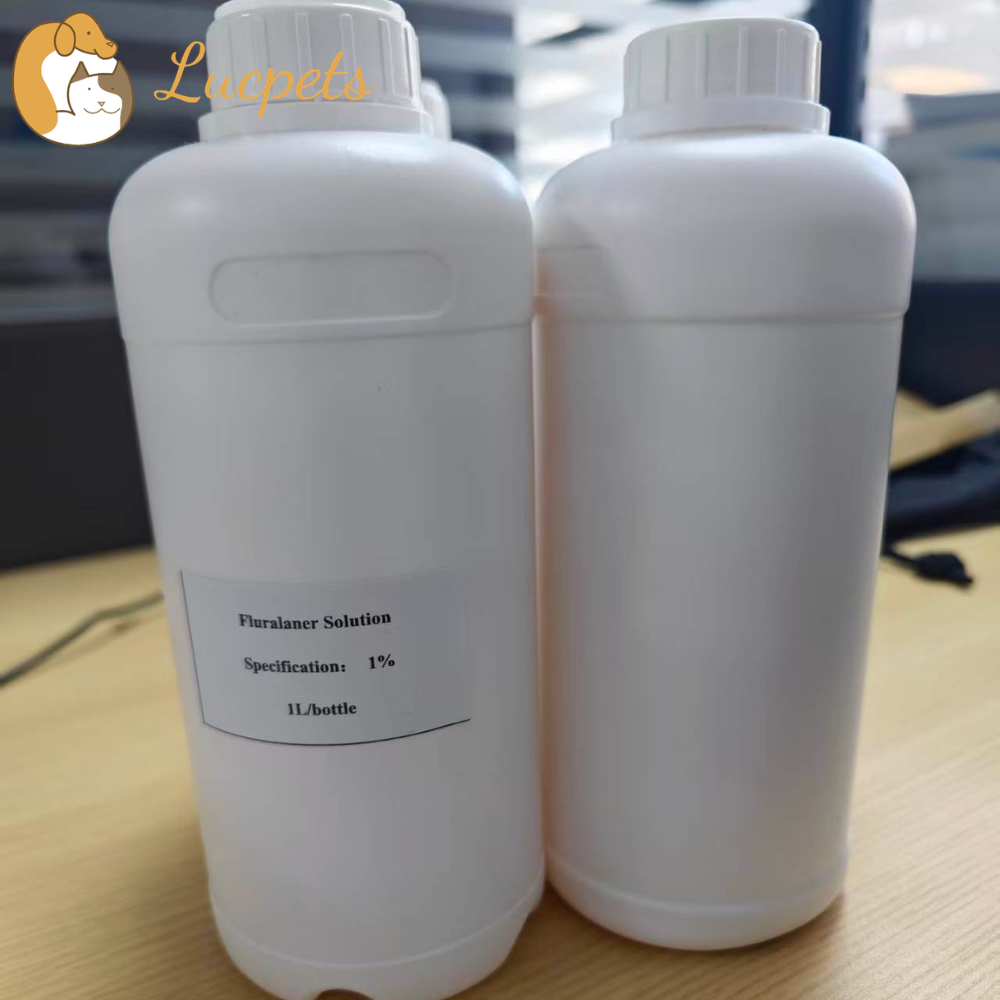
When mixing medicated feed or water for a group of dogs, the biggest risk is that the smallest animal ends up receiving a toxic amount while the largest barely gets a therapeutic dose. A practical approach is to break the group into weight bands rather than using one flat dose. For example, separate dogs under 10 kg from those over 25 kg, then calculate the drug amount per kilogram of body weight within each band using the upper limit of that band. This way the small breeds are never exposed to a concentration calibrated for a Great Dane.
Always start by identifying the most sensitive individual in the group—usually the lightest or the one with the narrowest safety margin—and base the bulk preparation on that animal's safe upper dose. Then adjust the total volume or feed quantity so that larger dogs still receive a clinically effective amount without exceeding the small dog's limit. In water medication, this often means using a lower concentration and allowing larger dogs to drink proportionally more, but you must verify actual water intake over 24 hours before committing to that method.
Finally, never extrapolate a bulk dose from a single average weight. If a product label says "1 mL per 10 kg," that works only when all animals are close to that weight—not when a 3 kg Chihuahua shares a pen with a 35 kg Labrador. Instead, calculate the total milligrams of active ingredient needed for the entire group based on each individual's exact weight, sum those amounts, and then divide by the total volume of feed or water consumed. Recheck the resulting concentration against the smallest dog's maximum safe dose before distribution.
Why One Oral Dose Can Outlast Several Topical Applications
A topical cream or gel only affects the area where it is applied, and its active ingredients begin breaking down as soon as they hit the air. Sweat, clothing, and even normal movement can rub the product away, which is why multiple applications are often needed throughout the day. An oral dose, on the other hand, is absorbed through the digestive system and enters the bloodstream, allowing the same active compounds to circulate and reach deeper tissues that a surface treatment simply cannot touch.
The real difference comes down to how the body processes the two forms. Topical products tend to produce a quick spike in concentration that fades fast, leaving you reaching for the tube again within a few hours. An oral formula is metabolized at a slower, more controlled rate. Instead of one sharp rise and fall, it creates a longer, steadier curve of activity, which means a single dose can cover the same window that would otherwise demand three or four separate topical applications.
For anyone tired of constant reapplication, this is the practical advantage. One pill or capsule can do the work of a full day’s worth of creams, reducing both the inconvenience and the ups and downs that come with short-acting surface treatments. That extended coverage is why an oral option often ends up being the more efficient choice in real-world use.
Palatability Fixes for Mixing Bulk Solution with Food
Mixing a bulk solution into food often leaves a bitter or chemical aftertaste that ruins the meal. Start by choosing a carrier with enough fat and texture to coat the tongue—think full-fat yogurt, mashed avocado, or a spoonful of nut butter. These options don't just dilute the liquid; they slow the release of off-flavors and give your palate something familiar to hold onto.
Temperature also plays a bigger role than most people expect. Chilling the mixture for ten to fifteen minutes before eating can mute harsh notes, especially if the solution has a metallic edge. For warm dishes, add the solution at the very end, after the food has cooled slightly, so heat doesn't amplify the chemical taste.
If the solution's flavor still breaks through, layer in a small amount of a strong, natural masking agent—cinnamon, cocoa powder, or a few drops of vanilla extract. Avoid artificial sweeteners; they often clash with the solution and create a worse aftertaste. A pinch of salt can also round out sharp edges without making the food taste salty.
Contraindications and Drug Interactions Worth Knowing
Certain groups should avoid this substance altogether. Pregnant or breastfeeding women face potential risks that outweigh any benefits, while people with liver or kidney disease may struggle to process it safely. If you fall into one of these categories, talk to your doctor before considering use.
The most dangerous interactions involve blood thinners. Taking this alongside warfarin or aspirin can lead to excessive bleeding, and even over-the-counter pain relievers like ibuprofen may amplify the effect. Always check with a pharmacist before combining any medications.
Don't assume that "natural" means safe. St. John's wort, for example, can dramatically reduce the effectiveness of birth control pills and antidepressants. Similarly, grapefruit juice interferes with enzymes that break down many drugs, causing toxic buildup.
Storage and Handling Mistakes That Shorten Shelf Life
Most shelf life problems trace back to how items are put away, not the product itself. For instance, washing berries before refrigeration invites mold; the extra moisture clings to crevices and speeds up decay. Similarly, leaving dairy in the door exposes it to temperature swings every time the fridge opens. These small habits quietly cut days off usable life.
Handling mistakes compound quickly. Tomatoes lose flavor and texture when chilled below about 55°F, yet many kitchens toss them in the crisper. Bananas release ethylene gas that ripens nearby avocados and leafy greens prematurely—keeping them in the same bowl is a common oversight. Even tearing lettuce instead of cutting with a plastic or ceramic blade causes more bruising at the edges, which browns faster.
Storage containers and airflow matter more than people expect. Sealing still-warm leftovers in airtight plastic traps steam, creating condensation that encourages bacterial growth and sogginess. Potatoes stored next to onions sprout and soften because onions emit moisture and gases that accelerate spoilage. A few simple shifts—cooling food before covering, separating high-ethylene produce, and using breathable bags for mushrooms—extend shelf life noticeably without any special equipment.
FAQ
Fluralaner is an isoxazoline ectoparasiticide that binds to chloride channels in the nervous system of arthropods. This binding causes sustained neuronal excitation, leading to paralysis and death of fleas and ticks. Because it targets receptors that mammals lack, it has a wide safety margin in dogs and cats.
Bulk packaging reduces plastic waste, lowers cost per millilitre, and lets you draw up exact doses for patients of different weights. It also simplifies inventory for clinics that treat a high volume of dogs, especially when seasonal flea and tick pressure spikes.
The standard dose for dogs is 25 mg/kg body weight. For a bulk solution with a known concentration, divide the required milligrams by the concentration to get the volume in millilitres. Always use a calibrated syringe and double-check the decimal point; a misplaced zero can mean underdosing or overdosing.
It is effective against fleas, multiple tick species, and mites like Demodex and Sarcoptes. However, it does not repel parasites—they must bite to be exposed. It also has no activity against heartworms or intestinal worms, so it should be paired with a suitable endoparasiticide when needed.
Fluralaner is generally well tolerated, but it should not be given to animals with a history of seizures or known hypersensitivity to isoxazolines. Use caution in very young puppies, pregnant or lactating animals, and cats—only use formulations specifically licensed for cats. Accidental ingestion by humans is rare but should prompt medical advice if it occurs.
A single dose typically kills fleas within hours and provides continuous protection for up to 12 weeks. That means only four doses per year for most dogs. When you compare that to monthly topicals, the per-day cost is often lower, especially when buying in bulk.
Yes, it is compatible with most heartworm preventives, dewormers, and vaccines. No significant drug interactions have been reported. That said, if a patient is on anticonvulsants or other neuroactive drugs, it is wise to consult the manufacturer's guidance and monitor closely after the first dose.
Keep the container tightly sealed, away from direct sunlight, and at room temperature. Once opened, note the beyond-use date if the label specifies one. Use a dedicated dispensing area to avoid cross-contamination, and always shake the bottle gently before drawing a dose, as some formulations may settle.
Conclusion
Fluralaner works systemically to disrupt nerve signaling in fleas and ticks, halting egg production and breaking the reproductive cycle before infestations gain ground. Bulk dosing requires careful math: always calculate milligrams per kilogram from the smallest dog in the household, use weight bands rather than rounding up, and never assume one pump or milliliter fits all breeds—small dogs have little margin for error. One oral dose often outperforms several topical applications because fluralaner binds strongly to plasma proteins and releases slowly from fat, maintaining lethal blood levels for up to 12 weeks despite bathing or swimming.
Mixing bulk solution with food calls for practical palatability fixes: chilled, high-fat meals like canned food or a spoonful of fish oil mask the solvent taste far better than dry kibble, and warming the medicated food can backfire by increasing bitterness. Known contraindications include dogs with seizure disorders or those taking drugs that lower the seizure threshold, so review any anticonvulsant or flea product combinations carefully. Storage mistakes shorten shelf life faster than most realize—avoid repeated freeze-thaw cycles, keep the bottle away from direct sunlight, and always use a dry syringe to draw doses, since moisture inside the container degrades the active ingredient and invites microbial growth.
Contact Us
Contact Person: Aaron
Email: [email protected]
Tel/WhatsApp: +86 18177165140
Website: https://www.lucpetsglobal.com