

Best Men's Business Casual Socks for Effortless Office Style
2026-11-16
The right pair of socks can turn a good office outfit into a great one—and the wrong pair can undo it before you even sit down. If you're still reaching for the same athletic crew socks you wear to the gym, it's time to rethink the quiet workhorse of your wardrobe. Here's what makes the best men's business casual socks worth your attention, and why KINDWAY is leading that conversation.
Why Your Sock Drawer Needs a Business Casual Overhaul
Most men treat their sock drawer like a forgotten storage unit—random athletic pairs buried under mismatched dress socks, a few novelty prints from last Christmas, and that one pair with a hole you keep meaning to toss. But when your weekdays involve chinos and oxfords instead of jeans and sneakers, that chaos quietly undermines your entire look. Business casual isn't just about the shirt and trousers; it's the small details that signal whether you've actually thought through your outfit or simply grabbed whatever was clean. A drawer full of worn-out, faded, or overly casual socks makes every polished outfit feel half-finished, no matter how sharp the blazer is.
The problem isn't just aesthetics—it's function. Thick athletic socks bunch up in leather loafers and make dress shoes feel sloppy. Thin dress socks, on the other hand, look ridiculous with chunky derbies or casual suede boots. A proper business casual rotation needs that middle ground: mid-weight cotton or merino blends, subtle patterns like micro-dots or herringbone, and colors that bridge navy, grey, and olive. You don't need to throw everything out, but you do need to be honest about what actually works with tapered trousers and clean sneakers versus what belongs at the gym.
Then there's the confidence factor. Nobody sees your socks all day, but you know what you're wearing. If you spend your morning digging through a pile of stretched-out tube socks or neon running pairs, that small frustration lingers. A streamlined drawer—six to ten quality pairs that match your actual wardrobe—makes getting dressed feel effortless instead of like a scavenger hunt. It's a low-effort overhaul with a high-impact payoff: sharper outfits, less morning friction, and a small daily reminder that you take the details seriously.
The Comfort-First Fabrics Every Office Worker Should Know
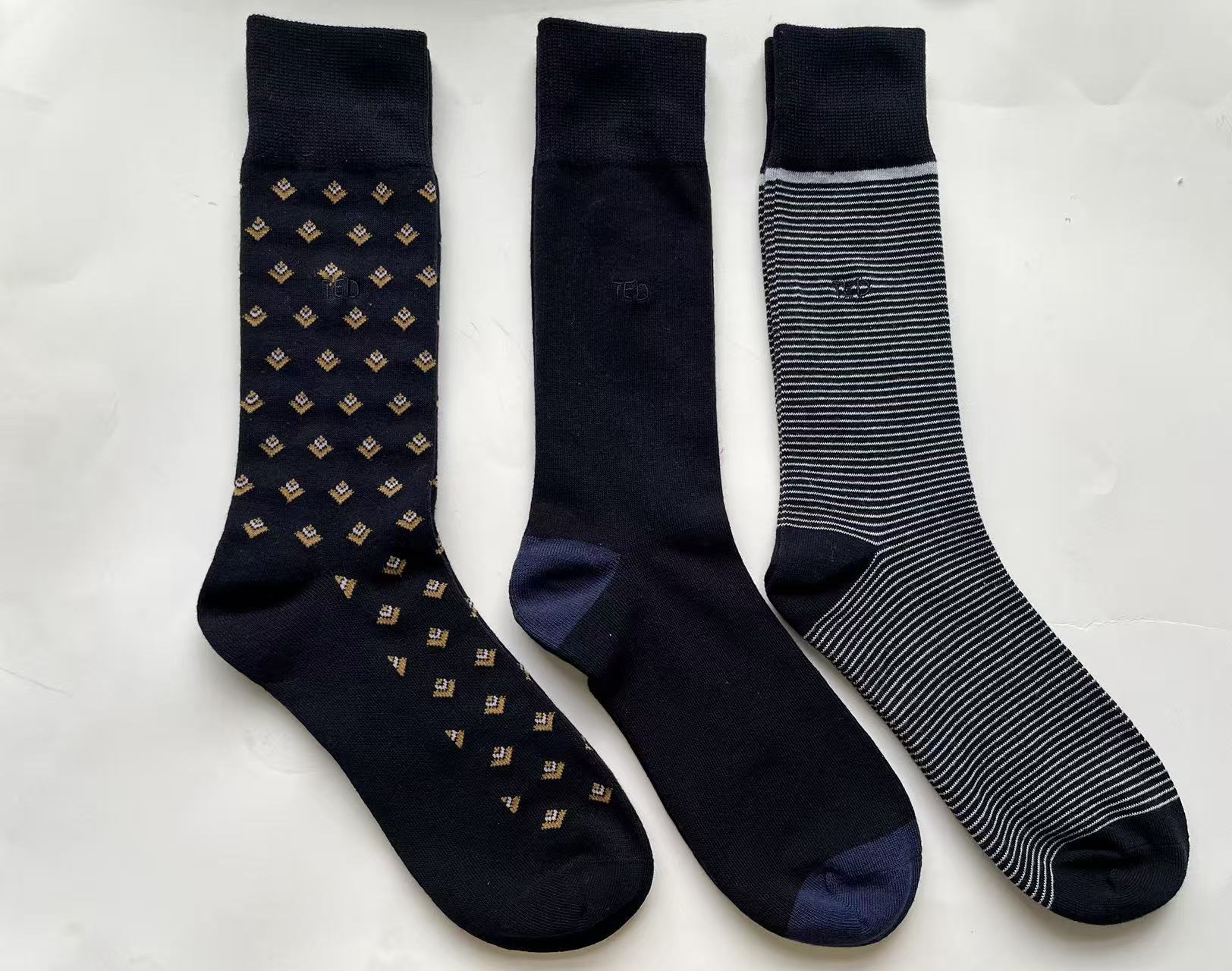
After eight hours at a desk, the wrong fabric can leave you feeling sticky, rumpled, or distracted. That’s why more office workers are swapping stiff cotton and scratchy polyester for materials designed with all-day ease in mind. Bamboo fabric, for instance, is a quiet workhorse: it wicks moisture away from the skin, breathes better than standard cotton, and has a softness that doesn’t fade after repeated washes. For anyone whose commute involves a crowded train or a stuffy elevator, it’s a reliable buffer against midday discomfort.
Merino wool might sound like a winter-only choice, but its lightweight versions are ideal for climate-controlled offices. Unlike traditional wool, fine merino doesn’t itch; instead, it regulates temperature naturally, keeping you cool when the meeting room heats up and warm under aggressive air conditioning. Add in its odor-resistant properties, and a merino cardigan or base layer can go from morning stand-up to after-work drinks without needing a change.
Finally, there’s Tencel (lyocell), a plant-based fiber with a smooth, almost silky drape that resists wrinkles and feels cool against the skin. It’s especially useful for dress shirts and blouses that need to look polished by 5 p.m. without constant ironing. Combined with a touch of stretch, these comfort-first fabrics let you focus on the work—not on tugging at your clothes.
Color Rules for Men's Business Casual Socks (Without Boring You)
Socks are the quiet workhorses of a business casual outfit, but that doesn't mean they should fade into the background. A better starting point than the old "match your trousers" rule is to think in terms of shade and temperature. Mid-gray trousers feel sharper with a sock that's a step darker or carries a thin stripe in burgundy or forest green. The goal is a smooth visual bridge from hem to shoe—not a hard stop or a surprise flash of neon.
Anchor your choice to the trousers, not the shoes. Navy trousers can handle deep teal, charcoal, or a muted rust without breaking the business casual mood. Khaki or light stone trousers open up olive, dusty blue, or faded maroon. Steer clear of anything brighter than your shirt unless you want the socks to be the main event. And leave pure white or thick athletic socks for the gym—they undo the look faster than a wrinkled collar.
If you're ready to push a little, let one accent color do the talking. A burgundy sock with a tiny geometric pattern can anchor an entire outfit, but only when that color appears somewhere else—a tie, a pocket square, even a watch strap. That repetition is what makes the choice feel deliberate rather than random. Skip the echo and you're just wearing loud socks for the sake of being loud.
How to Pair Socks with Loafers, Chinos, and Derbies
Loafers have a relaxed, slip-on character that rarely needs a loud sock. A bare ankle or a no-show liner keeps the line clean, especially when your chinos are cropped or rolled. If you do want visible fabric, stick to a lightweight ribbed cotton in a shade that’s a touch darker than the trousers—think charcoal over stone, or deep green over khaki. This keeps the foot grounded without cutting your leg at the ankle.
Chinos let you play with muted colour, but derbies are where patterns finally earn their place. With loafers, a solid sock in olive, rust, or navy with a fine texture feels intentional rather than flashy. Swap to derbies and you can introduce a micro-check, argyle, or a thin contrast stripe, since the laces give the outfit more visual weight. Keep the sock’s base tone connected to either the trouser or the shoe, and roll the hem once or twice so the choice reads as deliberate rather than accidental.
Common Sock Mistakes That Sabotage Your Office Look
Nothing undercuts a sharp suit faster than a flash of white athletic tube socks when you sit down. It's the kind of detail that seems minor until a meeting runs long, and suddenly everyone has a clear view of your ankles. The fix isn't about spending a fortune—it's about matching the formality of the room. Stick to solid, ribbed dress socks in colors that bridge your trousers and shoes, even if that means buying a few pairs in the same dark shade.
Equally damaging are socks with cartoon patterns or loud novelty prints. They might feel like a personality statement, but in most offices they read as a lack of judgment. If you want a touch of flair, opt for subtle textures, small geometric motifs, or a tonal stripe that stays hidden until you cross your legs. And never ignore the condition of your socks: a hole near the toe or a sagging elastic band can turn an otherwise polished outfit into a wardrobe malfunction by mid-afternoon.
Finally, watch the length. Socks that slide down to expose skin are a common oversight, especially with slim-cut trousers. Choose over-the-calf socks or at least mid-calf styles with a secure grip, so you don't spend the day tugging at them under your desk. A little attention to these details keeps your office look intentional rather than accidental.
The Case for Investing in Quality Dress Socks
Most men treat dress socks as an afterthought, grabbing a three-pack in black or navy whenever the old ones develop holes at the heel. That approach costs more than it seems. Cheap cotton blends stretch out by mid-morning, slide down your calves, and turn thin at the toe within a few months. A well-made pair in merino wool or long-staple cotton holds its shape through a full day at the office, keeps your feet dry, and doesn’t need replacing every season.
The initial price difference is real, but cost per wear flips the math. Spend a bit more on a pair that lasts two years and actually stays up; you’ll come out ahead of buying several cheap pairs that pill, fade, and sag. There’s also the daily irritation you avoid: nobody else may see your socks bunching around your ankles, but you feel it every time you cross your legs or walk into a meeting.
Fit details matter here. Look for hand-linked toe seams, a reinforced heel and toe, and some stretch material like nylon or elastane blended in for recovery. Avoid the glossy synthetic dress socks sold as quick fashion upgrades—they trap heat and start to smell by the end of a workday. Investing in quality isn’t about luxury for its own sake; it’s about fewer annoyances, fewer replacements, and one less thing to think about when you’re getting dressed.
FAQ
A business casual sock should strike a balance between polished and relaxed. Aim for mid-calf length, a smooth knit without heavy logos, and colors that bridge your trousers and shoes. Avoid athletic cushioning or overly thick wool—those read more weekend than workweek. A subtle rib or texture adds depth without shouting for attention.
Merino wool blends are hard to beat because they regulate temperature and wick moisture, keeping feet dry through long meetings. Cotton with a bit of nylon and spandex works well for warmer offices, while bamboo rayon gives a silky feel but may pill faster. Steer clear of 100% cotton dress socks—they lose shape and trap sweat by noon.
Yes, but keep the scale and contrast modest. Small geometric motifs, thin stripes, or tone-on-tone dots add personality without distracting. Save bold novelty patterns for casual Fridays or creative fields. A muted burgundy with a fine diamond pattern reads intentional; a neon cartoon print does not.
Use socks as a bridge, not a statement. With navy chinos and brown loafers, try a medium blue or subtle maroon to connect the two. For grey trousers and black oxfords, charcoal or deep green works. When in doubt, match the sock to the trouser color rather than the shoe—it elongates the leg and looks more deliberate.
Mid-calf or crew length is the safest choice. It covers your skin when you sit down or cross your legs, avoiding the dreaded bare-ankle gap. Over-the-calf socks stay up best and feel dressier, but mid-calf is fine if the elastic is firm. No-shows and ankle socks look too casual with most office trousers.
Check the cuff and elastic blend. Look for socks with reinforced ribs at the top and at least 2-3% spandex or elastane. A shaped heel pocket and a snug but not tight arch band also help. Avoid one-size-fits-all socks if you have wide or narrow feet—sizing options make a surprising difference.
Five to seven pairs lets you rotate without midweek laundry. Because office socks wear thin at the heel and toe, rotating pairs extends their life. Choose a core of three neutral colors—charcoal, navy, and brown—then add two or three patterned pairs for variety. If your office tends warm, pick lighter knits that breathe.
Conclusion
A business casual sock overhaul is less about following rigid fashion mandates and more about rethinking how small details shape your entire office presence. The right pair blends comfort-first fabrics like mercerized cotton, bamboo, or a touch of merino wool with reinforced heels and seamless toes, so you never have to choose between breathability and polish. Color wise, skip the neon novelty prints and instead lean into muted olive, heathered charcoal, dusty blue, or a subtle micro pattern. These shades anchor your outfit without stealing attention from your loafers, chinos, or derbies. The goal is a sock that looks intentional but feels almost forgotten once you put it on.
Pairing logic matters more than most men admit. Loafers call for a no show or low cut sock with a clean ribbed cuff, while chinos tolerate slightly bolder horizontal stripes or a tonal dot. Derbies, being the dressiest of the three, work best with fine gauge solids or a discreet clock pattern. Avoid the common sabotage of white athletic socks peeking out above the shoe line, or worse, a sagging dress sock that bunches at the ankle. Investing in three or four high quality pairs may sting upfront, but the difference in shape retention, colorfastness, and all day comfort makes cheap multi packs a false economy. Your sock drawer should work for you, not against your effortless office style.
Contact Us
Contact Person: Alfred Lee
Email: [email protected]
Tel/WhatsApp: +86 13806701496
Website: https://www.hainingsocks.com/