

Best Fabric Hot Stamping Foil Manufacturer for Premium Textile Finishes
2026-09-08
When it comes to elevating textiles beyond the ordinary, the right hot stamping foil can make all the difference. Yet many manufacturers settle for finishes that fade, crack, or simply fail to capture that premium sheen. That’s where GUMPTION changes the game. As a leading force in fabric hot stamping foil production, we’ve seen firsthand how the smallest detail can transform a garment from basic to breathtaking. In this post, we’ll explore what truly separates exceptional foil from the rest—and why your next collection deserves nothing less.
What Defines a Reliable Hot Stamping Foil Partner for Textiles
A reliable hot stamping foil partner for textiles understands that the material is only half the equation. They test how foil releases onto cotton, polyester, blends, knits, and coated fabrics, adjusting topcoats and adhesive layers so that fine details survive washing, stretching, and abrasion. Color consistency across production lots is not a promise but a measurable habit—each batch is checked against a master standard before it leaves the warehouse.
Beyond the roll, the right partner offers real technical support. They ask about your press settings, fabric construction, and end use, then recommend specific foils for low-temperature application or high-speed runs. When a new fabric finish appears mid-season, they can supply a modified foil within days, not weeks, and they keep detailed records so reorders match earlier shades without drift.
Practical reliability also shows up in inventory management. A solid partner stocks enough base film and pigments to handle sudden demand spikes, and they give honest lead times instead of optimistic guesses. They will tell you when a particular metallic shade is prone to supply issues and suggest a close alternative before you commit to a production schedule. This kind of transparency turns a material supplier into a production safeguard.
Why Premium Textile Finishes Demand Specific Foil Formulations
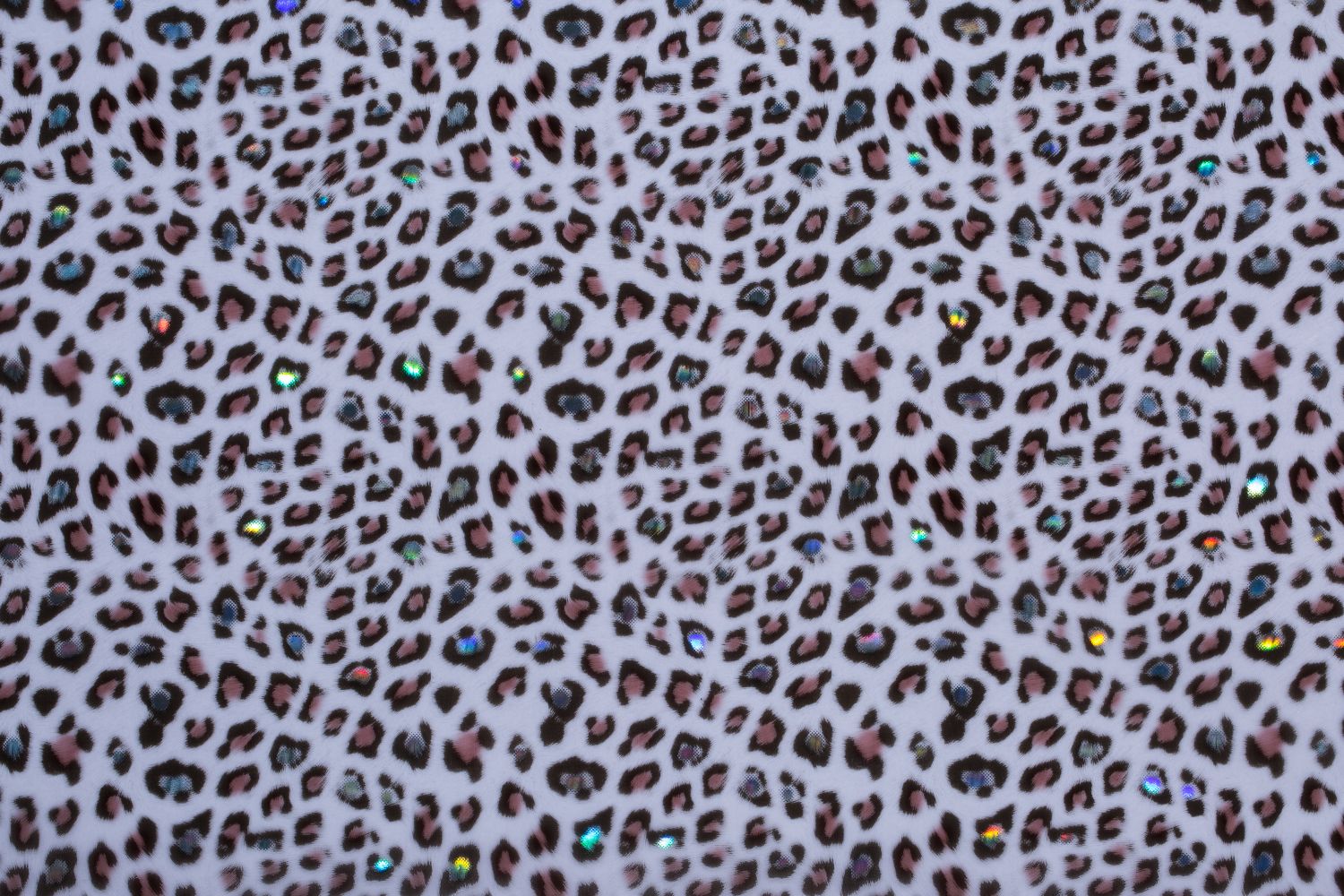
Premium textile finishing isn't just about adding a metallic sheen—the foil has to endure repeated flexing, washing, and dry cleaning without cracking or peeling. Generic foils typically rely on cheaper resins and coarser metal particles, which adhere poorly to high-thread-count or coated fabrics. A specific formulation adjusts binder elasticity, pigment load, and particle size so the finish stays intact even on stretch panels or densely woven textiles.
The substrate itself often dictates the need for a custom foil. Many luxury fabrics carry silicone finishes, water repellents, or softeners that interfere with standard adhesive layers. Foils engineered for premium use incorporate modified urethane or acrylic binders that bond to those treated surfaces without demanding harsh curing temperatures that could weaken delicate fibers.
Finally, color depth and reflective quality depend heavily on the foil's chemistry. In high-end garments, the foil leaf must deliver consistent opacity and brightness across large areas and intricate motifs. Off-the-shelf options frequently show dull patches or uneven transfer on textured weaves, whereas a tailored formulation ensures clean release and sharp edge definition, giving the finished piece a more refined, durable luster.
The Real Difference Between Standard and High-End Fabric Foils
The most obvious giveaway sits in the adhesive layer. Standard fabric foil uses a single-pass heat-activated glue that grips the surface but rarely survives repeated stretching or a true machine wash. High-end versions rely on a two-stage bonding system, often with a polyurethane-based carrier, so the metallic finish flexes with the fabric instead of cracking into a spiderweb after the third wear.
Color density is another fast tell. Budget foils lean on a thin aluminum deposition, which gives that slightly grey, washed-out shimmer under daylight and turns brassy after exposure to sweat or humidity. Premium foils stack multiple micro-layers of pigment and reflective particles, keeping the tone saturated even when you bend the material. You'll notice the difference when you compare a scrap piece side by side: the cheap sheet looks almost translucent at the edges, while the good one holds a solid, mirror-like edge.
Application behavior also separates them. Standard foil demands a narrow temperature window and forgiving pressure; go a few degrees over and it turns dull or sticks to the carrier. High-end foil tolerates a wider heat range and releases cleanly from the backing, which means you can work with textured fabrics, dense knits, or layered designs without constant re-pressing. It's less about the price tag and more about how the foil behaves once it leaves the roll.
How Custom Foil Colors and Patterns Elevate Fabric Design
There is a moment in every design process when a fabric sample moves from ordinary to unforgettable. Often, that shift happens the first time light catches a custom foil finish. A deep navy linen with copper foil scattered like broken constellations reads differently at noon than it does under evening lamps. The foil does not sit on the surface; it changes the way the eye travels across the weave, pulling attention toward the texture underneath. Designers use this to their advantage when they want a single upholstered chair or jacket lapel to anchor an entire room or outfit without shouting.
Patterns take that effect further. Instead of stamping a generic metallic motif over any base cloth, custom work lets the foil follow the fabric's own rhythm. A herringbone wool might receive fine gold lines only along its diagonal ridges, making the structure feel carved rather than printed. Floral jacquards can pick up silver in the folds of petals, giving the blossoms a soft, lit-from-within quality that flat inks cannot match. Because every color is mixed for a specific run, there is no need to settle for stock champagne or bright gold. The palette can drift toward oxidized bronze, rose pewter, or even a green-gold that echoes aged glass.
Ultimately, custom foil colors and patterns do more than decorate. They create a second layer of narrative within the cloth itself. A designer might choose a muted sage ground with antique brass dots to suggest a garden after rain, or pair indigo denim with erratic silver veining for a mood borrowed from storm maps. Those choices are not random; they come from understanding how metallic reflection interacts with dye, weave, and light throughout the day. When the finish is tailored this way, fabric stops being a background material and starts behaving like a signature, one that other elements in a collection quietly refer back to.
Troubleshooting Common Hot Stamping Challenges on Fabric
When foil only partially transfers, the first thing to check is heat. Cotton and linen absorb more heat than polyester, so the same setting that works on a blend may barely activate the adhesive on a thick canvas. Run a small test strip before committing to the final piece, and nudge the temperature up by three to five degrees at a time until the edges turn crisp without any scorch mark. If the fabric starts to glaze or stiffen, you have gone too far.
Uneven pressure causes more failed stampings than most people realize, especially on textured weaves or near seams. A dense embroidery or a thick hem can lift one side of the platen just enough to starve the foil of contact. Use a silicone pad with a bit of give, and consider adding a thin shim under the lower-pressure area to even things out. For deeply textured fabric, increase dwell time slightly rather than cranking up the force, which can crush the pile.
Poor wash fastness usually points to surface finishes or a mismatched foil. New fabric often carries sizing agents that block adhesion, so a quick pre-wash and dry makes a noticeable difference. Choose a foil rated for textiles rather than one meant for paper or leather. After pressing, let the carrier cool completely before peeling it away; peeling too soon can tear the metallic layer at the edges. If the design still flakes after a few washes, dust a fine layer of hot-melt adhesive powder over the area before pressing to anchor the foil into the fibers.
Building Long-Lasting Foil Adhesion Without Compromising Softness
The trick lies in controlling how the foil meets the tissue surface. Rather than applying excessive pressure that flattens the delicate fibers, manufacturers now use micro-textured embossing rollers that create tiny anchor points for the foil. These points allow the metallic layer to grip firmly, yet the surrounding tissue remains lofty and airy because only a fraction of the surface is compressed. The result is a sheet that resists peeling under normal handling but still feels plush against the skin.
Adhesive formulation plays an equally important role. Water-based binders with carefully tuned viscosity can penetrate just deep enough into the tissue's top layer without saturating the entire sheet. Once cured, these binders form a flexible network that moves with the fibers instead of stiffening them. This flexibility prevents the cracking and flaking often seen in older foil-tissue products, extending the life of the decorative finish even after repeated folding or crumpling.
Finally, post-embossing conditioning restores any softness lost during the foil transfer. Passing the finished roll through a light steam chamber or a series of soft brushes relaxes the surface fibers and redistributes natural oils within the pulp. This step rarely appears in technical specifications, yet it makes a noticeable difference in hand feel. When done correctly, the foil stays put for months, while the tissue underneath remains as gentle as an uncoated sheet.
FAQ
The foil's release layer and adhesive compatibility are tuned for fabric fibers, allowing crisp metallic or holographic impressions without cracking or peeling. Premium foils use finer pigment particles and a more flexible resin system, so the finish stays intact even when the fabric stretches or drapes.
Look for makers who share detailed technical datasheets, offer sample rolls before bulk orders, and have experience with the exact fabric blends you use. A dependable supplier will also ask about your stamping machine's temperature range and pressure settings rather than pushing a one-size-fits-all product.
Tightly woven natural or synthetic fabrics like cotton sateen, polyester satin, nylon taffeta, and blended twill hold foil well because their smooth surface gives the adhesive a strong grip. Loosely knitted or heavily textured fabrics can still be foiled but usually need a primer or lower stretch expectations.
Yes, if you choose a foil rated for laundering and follow the correct curing time and temperature. Many premium foils pass 30 to 50 home wash cycles or multiple dry clean cycles without significant loss of shine, though abrasion from zippers or rough seams can accelerate wear.
Beyond standard gold and silver, manufacturers can match custom Pantone shades, create matte, glossy, rainbow, pearl, or laser holographic effects, and adjust the foil's release temperature for your specific fabric and machine. Widths, roll lengths, and core sizes are usually flexible as well.
Foil stamping gives a flatter, mirror-like metallic finish that screen printing or embroidery cannot achieve, and it requires no water or solvents. However, it is best for smooth areas and moderate flex, whereas embroidery handles heavy wear and deep textures better. Many designers combine foil with other techniques for layered effects.
Check the foil's recommended stamping temperature (often 100–160°C for fabrics), dwell time, and pressure range. Also look for elongation percentage—premium textile foils can stretch 10–30% before cracking. A detailed substrate compatibility list and storage stability notes are signs of a well-made product.
You will see this foil on garment labels, brand logos on t-shirts and hoodies, decorative motifs on evening wear, heat-transferred patterns on denim, home textile accents like cushion covers and curtains, and even technical apparel trim. It is favored where a sharp metallic edge or luxury sheen is needed.
Conclusion
Finding a hot stamping foil partner for premium textiles goes beyond checking off basic supplier qualifications. The most dependable manufacturers understand that fabric is a living, shifting substrate—heat, stretch, and repeated laundering all work against a metallic finish. That means they engineer foil formulations around fiber type, weave density, and even the final garment's end use. A foil that holds beautifully on a rigid upholstery weave may crack on a soft jersey, so the right partner asks about drape and hand feel before recommending anything. They also offer precise color matching and custom pattern development, which lets designers push beyond standard golds and silvers into gradients, micro-textures, or brand-specific hues that read clearly on fabric.
The gap between standard and high-end fabric foils shows up most clearly in adhesion and softness. Cheap foils often rely on thicker adhesive layers that make the print feel stiff or plasticky, and they tend to flake after a few washes. A quality manufacturer focuses on thinner, more elastic pigment layers that bond at lower temperatures while preserving the natural movement of the textile. When issues do arise—patchy transfer, edge lifting, or uneven gloss—an experienced partner can trace them back to dwell time, pressure distribution, or humidity rather than simply blaming the fabric. This troubleshooting depth, combined with formulations that resist cracking without compromising hand feel, is what separates a true premium textile foil manufacturer from a generic supplier.
Contact Us
Contact Person: Hsien
Email: [email protected]
Tel/WhatsApp: +86 57387072688
Website: https://www.gsfilm.cn