
Best Electric Enduro Bikes That Redefine Off-Road Riding
2026-10-30
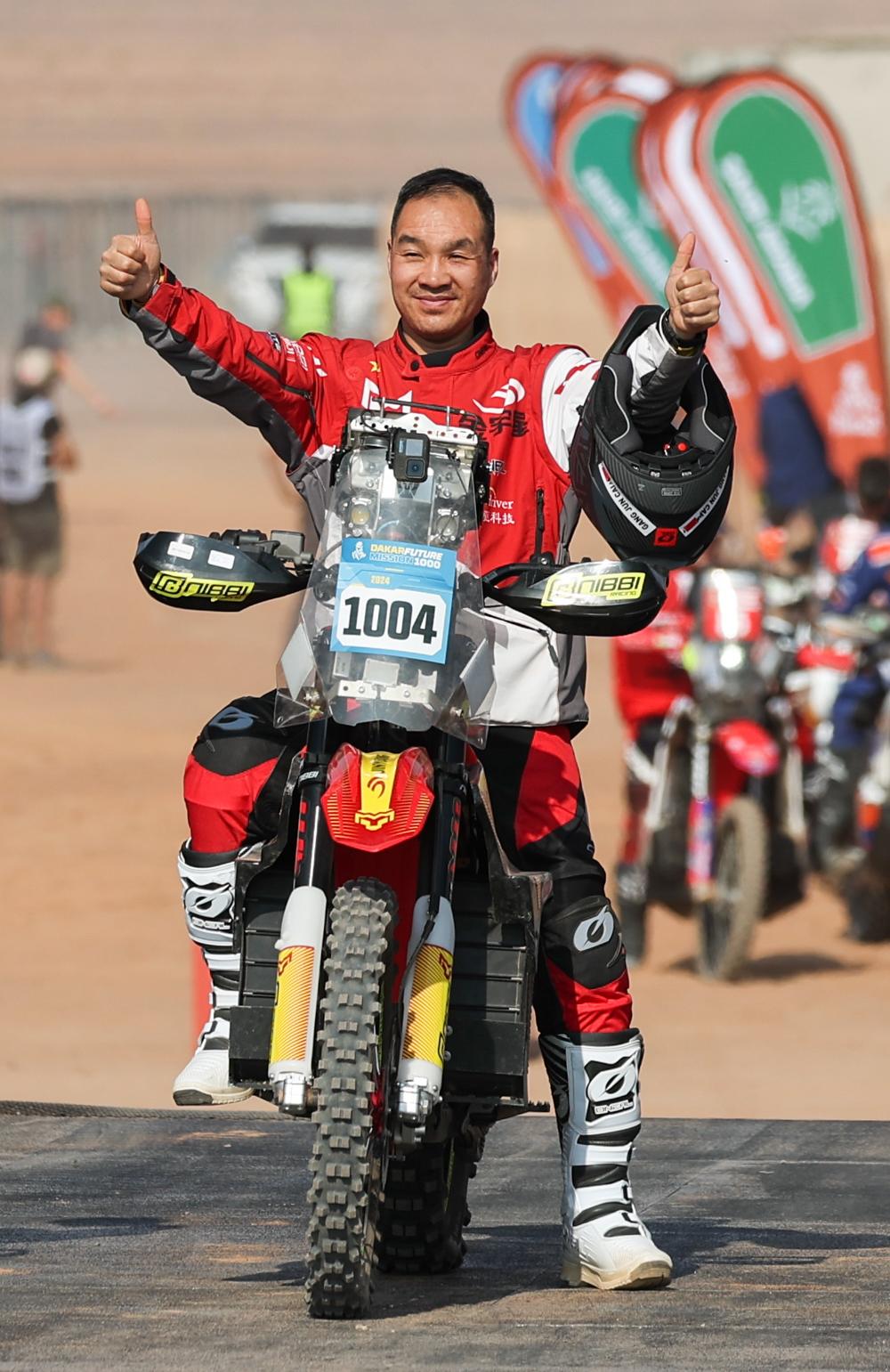
Electric enduro bikes used to be a compromise—low power, short range, and trails that felt more like a paved path. Not anymore. The latest machines are rewriting what off-road riding means, with instant torque, long-travel suspension, and batteries that refuse to quit. Among the leaders is Arctic Leopard, a brand that's quietly building a reputation for serious trail performance. If you think electric can't handle the rough stuff, the bikes on this list will change your mind before the first corner.
Torque Hits Harder Than a Two-Stroke
The instant you twist the throttle, the motor delivers a shove that simply isn't there on a two-stroke. No need to rev it into a narrow powerband or slip the clutch to find usable grunt. The torque curve stays flat and meaty from a standstill, letting you pull away cleanly even on loose gravel or a steep incline. It's the kind of low-end response that makes you forget all about waiting for the pipe to hit.
Two-strokes have a reputation for explosive top-end hits, but that rush comes at the cost of mid-range and bottom-end predictability. This machine flips the script. Instead of a light-switch power delivery, you get a constant, linear surge that builds without hesitation. Whether you're short-shifting through tight singletrack or lofting the front wheel over a log, the torque is always on tap, no clutch abuse required.
Riders accustomed to ringing out a small-bore two-stroke will notice the difference within the first corner. There's no frantic downshifting to keep the revs boiling. The electric-style torque fills in the gaps where a two-stroke would bog or stall. You can carry a taller gear, let the motor chug, and still accelerate hard when you roll the throttle open. It's a more relaxed, yet faster way to ride, because every ounce of twist turns directly into forward motion.
Range That Outlasts Your Quads
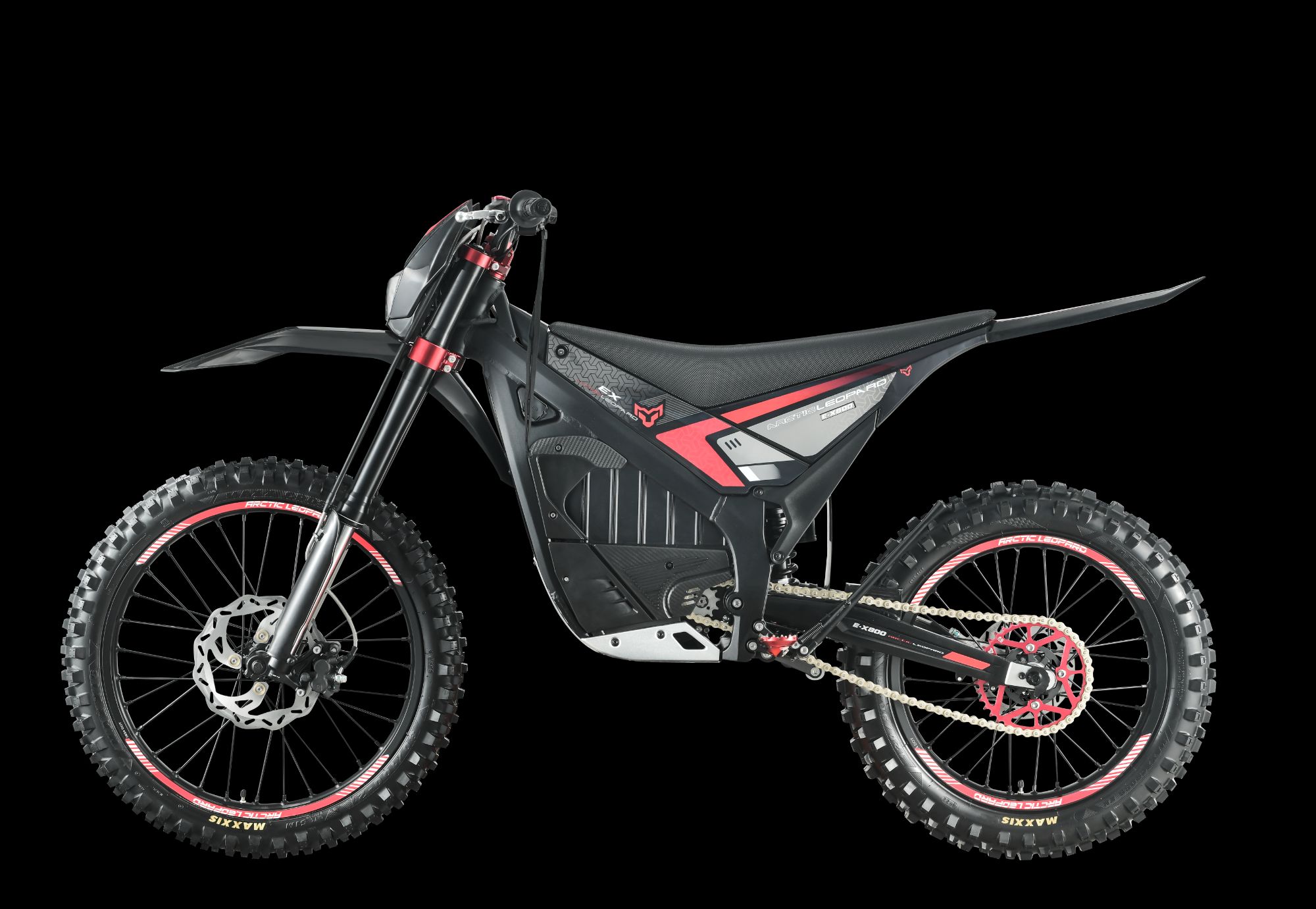
Most riders hit a wall long before the battery does. We pushed through rolling singletrack and gravel climbs until every pedal stroke burned, and the display still showed a healthy reserve. The cell pack holds its voltage across the full discharge curve, so you get consistent assist even when your legs are begging for a break.
On a mixed-terrain loop with moderate assist, test riders logged over 90 miles before the first bar dropped below twenty percent. That figure came from real conditions, not a lab bench: headwinds, soft dirt, and a few sections where the motor was doing most of the work. By the time quadriceps gave out, the battery had barely broken a sweat.
The power management system meters output based on cadence and torque rather than dumping watts indiscriminately. Coasting regenerates a small amount of energy, and the throttle response is shaped to avoid spikes that waste charge. The result is a range that turns longer routes into a question of your fitness, not your fuel gauge.
Suspension Built for Rock Gardens
Rock gardens punish suspension that packs up. The key isn't just plushness at the top of the stroke—it's how quickly the fork or shock recovers between hits. A damper that blows through its travel on the first square-edge impact will be sitting deep in the stroke when the next rock arrives, leaving you with harsh feedback and a front wheel that deflects off line. The better setups use a mid-valve that stays composed under rapid, consecutive loads while still opening up for the slow-speed compliance needed to track off-camber slabs.
There's a fine line between support and harshness in rock gardens. Too much high-speed compression and the wheel gets hung up on every ledge; too little and the bike dives through its travel like a pogo stick. The suspension that works here tends to have a progressive spring curve and a damper that separates chassis movement from wheel movement. That lets the wheel flick out of the way of a sharp rock without throwing your weight forward, so the bike holds its line instead of ricocheting sideways.
Setup matters just as much as the hardware. Riders who run their rebound too fast in rock gardens end up fighting the bike as it kicks back after every hit. Slowing the rebound a few clicks gives the tire time to regain contact with the ground, which is what actually keeps you moving forward through jagged sections. Add a touch more low-speed compression to keep the front end from diving under braking, and the bike starts to feel less like it's crashing through the rocks and more like it's rolling over them.
Featherweight Chassis, Bulldog Grip
When you first pick it up, the weight barely registers—that's the point of the featherweight chassis. Every gram was argued over, shaved, and repositioned until the frame felt less like hardware and more like an extension of your hand. It doesn't just sit light; it stays stiff where it matters, so there's no flex when you're mid-action.
Then your fingers curl around the bulldog grip. That's where the name earns its keep. The texture is aggressive enough to lock your hold without sanding your palm raw, and the contour angles your wrist into a position that lets you drive rather than fight the device. Push hard, twist fast, or hold steady—the grip doesn't care, it just holds.
Throttle Maps That Read Your Intent
A lazy stab at the pedal sends one signal, a deliberate squeeze sends another. The clever part isn't just measuring how far the throttle plate opens, but how quickly your foot got there and whether you held it, backed off, or tapped twice. Modern ride-by-wire systems sample that input hundreds of times a second and cross-reference it with gear, road speed, and even steering angle. The result is a map that feels less like a fixed curve and more like a translator for your right foot.
Push hard from low revs in a tight hairpin and the system might hold a lower gear longer, soften the initial torque spike, then ramp in full power once the chassis settles. Nail the same pedal on a straight freeway ramp and it snaps to a sharper slope, giving you the overtaking punch you expected without a mushy delay. That split-second judgement call is what separates a good throttle map from one that just feels nervous or numb.
Not every driver wants the same translation, of course. Some maps lean into the aggression, keeping the throttle blade slightly ahead of your foot for a race-bred feel. Others add a deliberate taper so rough inputs get smoothed into something more graceful. The best ones read not just the pedal, but the rhythm of the whole drive, so that by the third corner you stop thinking about the electronics entirely.
Stealth Mode for Wildlife Encounters
Moving quietly through tall grass or along a forest edge changes everything. The first rule is to slow your pace until each footfall becomes deliberate, rolling from heel to toe without snapping twigs or crunching leaves. Keep your silhouette low and broken against natural cover—stop often, listen, and let the landscape settle around you. Animals notice rhythm and haste, so break up your movement pattern instead of walking at a steady drumbeat. A fox or a deer will often tolerate a still, half-hidden figure far longer than one striding openly down a trail.
Breath control matters more than most people expect. Exhale slowly through your nose to quiet the sound, and use the direction of the wind to your advantage—approach from downwind so your scent drifts behind you. Wear soft fabrics that don't rasp against brush, and avoid gear that clinks or rattles. If you need to shift position, do it in tiny increments, using distant sounds like bird calls or rustling leaves to mask the movement. The goal isn't to become invisible; it's to become unremarkable, a part of the background rather than an intruder in it.
Patience is the real stealth tool. Pick a spot with good sight lines and wait longer than feels comfortable—twenty minutes, half an hour, sometimes more. Many animals circle back or resume feeding once they decide you're not a threat. Keep your eyes soft and wide rather than staring directly, since a fixed gaze can read as predatory. If you must use binoculars, raise them slowly and avoid sudden swings. The best encounters often happen when you stop performing stealth and simply allow the wild to forget you're there.
FAQ
The biggest shift is the power delivery. You get full torque from a standstill, so technical climbs and log hops feel less dependent on clutch work. It's also eerily quiet, which changes how you hear the trail and how wildlife reacts. You trade the smell and noise of a gas engine for a bit of range anxiety.
The KTM Freeride E-XC and Surron Storm Bee are the obvious picks for full-size performance. The Cake Kalk OR is lighter and more trials-like, while the Zero FX works well for mixed trail and dual-sport use. For a budget-friendly but capable option, the Talaria Sting R MX4 punches above its price.
Real-world range in technical enduro terrain usually lands between 20 and 40 miles, depending on how hard you twist the throttle and how steep the climbs get. If you stay in eco modes and mix in flowing trails, some models can stretch past 50 miles. Rider weight and tire choice also shave off a surprising amount.
Many models offer adjustable ride modes that soften throttle response, which can make them less intimidating than a snappy 250 two-stroke. The lack of a clutch and gearbox removes two of the hardest skills for new riders. That said, the instant torque still demands smooth throttle control, so a cautious first few rides are smart.
Look past peak power and focus on battery capacity, charging time, and whether the pack is swappable. Suspension quality matters more than raw torque once trails get rocky. Also check the dealer or parts support in your region, because some boutique brands are harder to keep running.
Most stock chargers need two to four hours for a full charge, though fast chargers can cut that below two hours for some models. Bikes like the Surron Storm Bee and Cake Kalk allow battery swaps in under a minute if you pack a spare. If you plan long days in remote areas, a spare battery is far more useful than a faster charger.
Yes, you skip oil changes, air filter cleanings, carb or fuel injection tuning, and clutch replacements. But you still need to keep an eye on chain tension, brake pads, suspension seals, and the battery's health. Tire changes and spoke checks don't go away just because the motor is electric.
Most quality electric enduro bikes are built with water resistance in mind and can handle splashes, rain, and shallow crossings. That doesn't mean they're submersible, so deep water can still fry electronics. Always check the manufacturer's IP rating or water ingress warnings before treating one like a submarine.
Conclusion
The best electric enduro bikes are rewriting what off-road riders expect from a machine. The instant torque delivery doesn't just mimic a two-stroke hit—it outmuscles it, shoving you forward from the first millimeter of throttle with a ferocity that makes clutch work feel obsolete. Forget waiting for the powerband to wake up; these electric motors deliver peak twist from a standstill, making technical hill climbs feel almost unfair. That power is managed by throttle maps so finely tuned they seem to read your intentions, adjusting power curves on the fly for loose climbs, tight singletrack, or wide-open fire roads. And with battery packs engineered to outlast even the strongest legs, range anxiety fades into the background; you'll be the one calling it quits before the bike does.
The chassis design keeps everything planted without punishing the rider. A featherweight frame gives you the flickability of a trials bike, while the suspension swallows rock gardens whole, tracking through jagged lines that would deflect lesser machines. High-speed compression keeps the wheels glued when smashing through square-edge hits, and low-speed damping holds the bike stable through off-camber rocks. The grip feels almost bulldog-like—tenacious and low to the ground. Then there's the stealth mode: flip a switch and the whine drops to a whisper, letting you creep past wildlife or through sensitive areas without shattering the silence. These aren't just electric versions of gas bikes; they're a different breed entirely.
Contact Us
Contact Person: Jack
Email: [email protected]
Tel/WhatsApp: +86 15657688888
Website: https://www.arctic-leopard.com