
Best Alkyl Polyglucoside Surfactants: Guide to Gentle, Powerful Cleansing
2026-11-16
Finding a cleanser that truly respects your skin while tackling stubborn dirt can feel like an endless search. Alkyl polyglucoside surfactants stand out as the gentle giants of the cleansing world—plant-derived, biodegradable, and remarkably effective without stripping your skin’s natural barrier. When it comes to sourcing these high-performance ingredients, one name consistently delivers purity and innovation: POLYKEM. In this guide, we’ll explore why the best APG surfactants are reshaping personal care, and how POLYKEM’s expertise helps formulators create products that cleanse beautifully and responsibly.
Why Alkyl Polyglucosides Are the Unsung Heroes of Modern Cleansers
Alkyl polyglucosides rarely get the spotlight, yet they quietly power some of the most gentle yet effective cleansers on the market. Derived from renewable plant sources—typically corn starch and coconut or palm kernel oil—these surfactants strike a rare balance between thorough cleansing and skin tolerance. Unlike harsher sulfates that can strip the barrier, APGs form a creamy, low-foam lather that lifts away dirt without disrupting the skin’s natural moisture layer, making them invaluable for face washes, baby products, and sensitive-skin formulations.
What sets APGs apart is their remarkable compatibility with other ingredients and their ability to perform in hard water without leaving residue. They also support the formulation of crystal-clear products and stabilize delicate actives like enzymes and botanical extracts that would otherwise fall apart in traditional surfactant systems. This versatility means formulators can create everything from milky cleansers to sulfate-free shampoos without sacrificing sensory appeal or efficacy, all while keeping irritancy to a minimum.
Beyond performance, these molecules tackle the growing demand for biodegradable, sustainable cleansing without greenwashing. They break down quickly in the environment and require less energy-intensive processing than many petrochemical alternatives. In a market obsessed with novelty acids and active serums, alkyl polyglucosides remain the invisible backbone—proving that sometimes the most groundbreaking innovation is the quiet one that simply lets skin be skin.
From Cornfields to Clean Skin: The Natural Roots of APG Surfactants
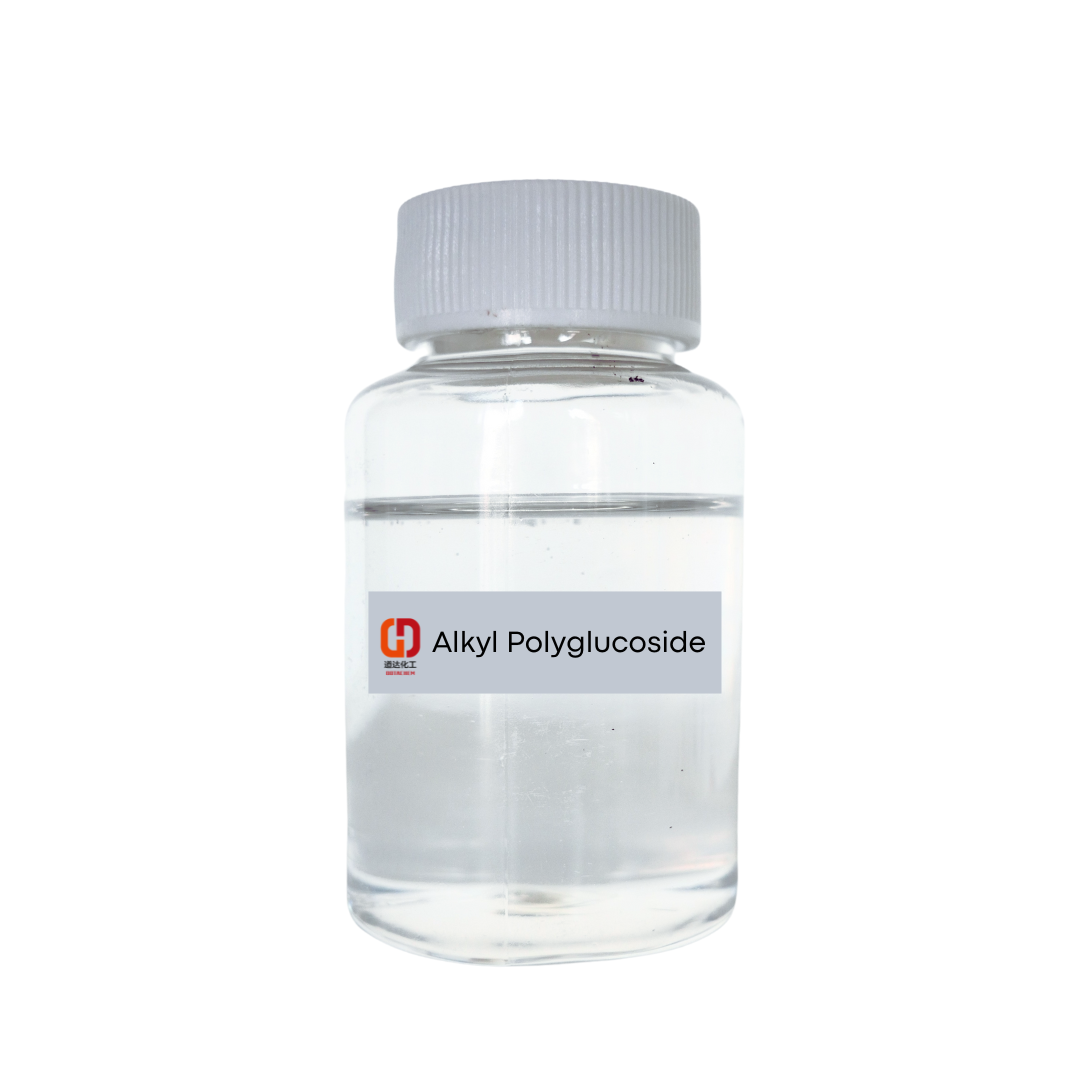
The journey from a golden field of corn to the gentle lather on your skin might seem like a leap, but it's exactly the path taken by alkyl polyglucosides. These surfactants, often shortened to APGs, begin with two surprisingly simple building blocks: fatty alcohols derived from plant oils, and glucose taken straight from corn starch. What makes this pairing so effective is how closely it mimics the chemistry of our own cell membranes, creating a cleansing agent that feels remarkably at home on the body. Rather than relying on harsh sulfates, brands turn to this corn-based innovation for a frothy, effective clean that doesn't strip away the skin's protective barrier.
That glucose molecule does more than just lift dirt—it's the secret behind the mildness. Because corn-derived sugar heads are so large compared to the fatty tail, the resulting surfactant can't pack tightly enough to penetrate deep into the skin's lipid layers. It stays on the surface, sweeping away oil and impurities without disrupting the delicate balance beneath. This is why the best green beauty cleansers and baby washes lean on APGs; they deliver the sensory experience of a rich foam without any of the tight, dry aftermath.
Seeing corn as a skincare ingredient takes a mental shift, but it’s a reminder that modern green chemistry often starts in the soil. The process of transforming cornstarch into a usable glycoside is clean and low-waste, using water as the main solvent and yielding no toxic byproducts. What arrives in your bottle is biodegradable, entirely renewable, and fully traceable—a rare direct line from Midwestern silos to the refined texture of your favorite micellar water. It’s not just about clean skin; it’s about how we got there, one corn kernel at a time.
How These Sugar-Based Molecules Outperform Traditional Sulfates
Most people don’t expect sweetness from a cleaning agent, yet a new class of sugar-based surfactants is quietly rewriting the rulebook. Unlike traditional sulfates that rip away oils with brute force, these molecules leverage a more elegant mechanism. Their hydrophilic head is built from glucose or sucrose units, which attract water without the tight, aggressive grip of a sulfate group. The result? A gentler lift that still traps dirt effectively but leaves the skin’s natural barrier intact. It’s not about working harder—it’s about working smarter, using molecular geometry that traditional sulfates simply can’t mimic.
Sulfates are cheap and foamy, but their one-size-fits-all approach comes at a cost: irritation, dryness, and that squeaky-clean feeling that dermatologists warn against. Sugar-based alternatives operate with programmable versatility. By adjusting the number of sugar rings or the length of the fatty acid chain, formulators can fine-tune everything from foam density to skin compatibility. You can design a surfactant that rinses clean without stripping, one that actually supports the microbiome instead of annihilating it. This tailoring is impossible with sulfates, where flipping the molecular switch often means sacrificing performance or adding harsh co-surfactants.
Perhaps the quietest revolution is happening under a microscope. Sugar heads on these molecules act as prebiotic snacks for beneficial skin bacteria, creating a post-wash environment where good flora can recover faster. Traditional sulfates leave a blank, often irritated slate. Meanwhile, sugar-based cleansers leave behind a subtle biological invitation—a signal that encourages resilience rather than just stripping everything to zero. It’s a fundamentally different philosophy: cleaning that doesn’t declare war, but negotiates a truce with your skin’s living ecosystem.
Decoding the Mildness: APGs and the Skin’s Natural Barrier
What makes a cleanser truly gentle often comes down to how it treats the outermost shield of your body—the skin’s natural barrier. Alkyl Polyglucosides, or APGs, sidestep the harsh striping that traditional surfactants can cause by interacting with this barrier in a far more respectful way. Instead of dissolving protective lipids with aggressive force, their large molecular heads and mild charge profile mean they lift away dirt without penetrating deep into the intercellular mortar that keeps skin resilient.
The real secret lies in their architecture. APGs are built from two familiar components: fatty alcohols borrowed from coconut or palm, and glucose rings derived from corn or potato starch. This combination isn’t just biodegradable—it mimics elements already present in the skin’s own moisturizing network. When you lather with an APG-based cleanser, those sugar heads bind water while the fatty chains gently embrace oils, creating a brief partnership that rinses clean without leaving the barrier depleted or stripped of its natural moisture balance.
Over time, that difference becomes visible. Skin washed with APG systems tends to retain its bounce and calmness rather than slipping into that tight, squeaky aftermath. For anyone dealing with sensitivity, dehydration, or a compromised moisture barrier, this mildness isn’t just a marketing term—it’s the tangible result of a surfactant design that works with the skin’s biology rather than against it, allowing the barrier to keep doing its job long after the foam is gone.
A Closer Look at the Most Effective Alkyl Polyglucosides in Formulations
A Closer Look at the Most Effective Alkyl Polyglucosides in FormulationsCrafting Your Own Gentle Rituals with APG-Powered Products
There’s something quietly transformative about turning everyday cleaning into a moment of calm. With APG-powered products, the foam feels softer, the scent more subtle, and the experience less like a chore. You’re not just wiping down surfaces; you’re moving through your home with a lighter touch, letting the mild, plant-derived surfactants do the heavy lifting while you stay present in the rhythm of the task. It’s the kind of ritual that asks very little but gives back a sense of order and ease.
Because these formulas are built without harsh fumes or aggressive stripping agents, you can slow down and actually enjoy the sensory details—the way the lather disperses under warm water, the faint herbal note that lingers after rinsing, the smooth drag of a cloth across a countertop. Each small act becomes an invitation to pause, to breathe, and to reconnect with the space you inhabit. That shift, from rushing to tending, is where the real gentleness begins.
Designing your own ritual doesn’t require a complete overhaul. You might start with an evening reset: a quiet ten minutes where you mist the bath tiles, wipe down basins, and polish the mirror with deliberate, unhurried strokes. Or a morning ritual where you wash the breakfast dishes by hand, feeling the warmth seep into your fingers while the APG-based dish liquid cuts through grease without drying your skin. Over time, these moments accumulate, and the way you care for your home starts to feel inseparable from the way you care for yourself.
FAQ
They’re a class of mild cleansing agents made by combining fatty alcohols (usually from coconut or palm) with glucose from corn or starch. I care because they clean effectively without stripping my skin’s natural barrier—unlike many traditional sulfates that can leave my face feeling tight and irritated.
Sulfates often work by ripping away oils aggressively, which can disrupt the skin's balance. APGs clean by gently emulsifying dirt and excess sebum while preserving the healthy fats your skin needs. I get that satisfying freshness without the dreaded post-wash squeak or dryness.
Not exactly. Some, like decyl glucoside, have a slightly shorter carbon chain and can feel more stripping if used alone in high amounts. Coco-glucoside and lauryl glucoside tend to be creamier and gentler. I usually look for formulas that blend different APGs to balance cleansing power with cushiony mildness.
Yes, they can, but it depends on the product’s overall formulation. A well-designed APG cleanser or balm will break down light makeup and water-resistant sunscreen effectively. For heavy, waterproof layers, I still rely on a first-step oil cleanser, then follow with an APG face wash to get everything off without overdoing it.
In my experience, APG cleansers are one of the safest options for sensitized skin because they typically don’t disrupt the moisture barrier and have a low irritation potential. Still, I’d always patch test, and watch out for added fragrances or essential oils in the formula—those are often the real triggers, not the surfactant itself.
They’re generally biodegradable and come from renewable feedstocks, which is a plus. The main concern is the sourcing of the raw materials—palm oil derivatives can be linked to deforestation if not certified sustainable. I try to choose products using RSPO-certified or coconut-derived APGs to feel better about the impact.
Conclusion
Alkyl polyglucosides (APGs) have quietly reshaped what we expect from a cleanser, merging powerful dirt removal with a remarkably tender touch. Sourced from cornstarch and coconut oil, these sugar-based molecules sidestep the harshness of traditional sulfates while still producing a satisfying, low-foam lather that rinses away spotlessly. Their secret lies in a structure that interacts with skin’s oils without disrupting the delicate lipid barrier—meaning you get a thorough wash without the familiar dry, tight aftermath. This mildness is not a compromise; it is a design choice rooted in how the molecule selectively targets impurities rather than stripping everything in its path. For anyone dealing with reactivity or seasonal sensitivity, APGs feel less like a chemical workhorse and more like a considerate daily companion.
Beyond the biochemistry, the real appeal is how effortlessly APGs slip into diverse product formats—from lightweight foaming gels to creamy balms—letting formulators craft textures that feel genuinely pleasant to use. Coco-glucoside and decyl glucoside often take center stage, prized for their balanced cleansing and conditioning abilities, while lauryl glucoside brings a touch more richness to oil-based formulas. This versatility encourages a shift away from overly complex routines toward simple, high-performing rituals that respect the skin’s natural state. The journey from cornfield to clean skin is not just a sustainable narrative; it translates into practical, daily care where gentleness and efficacy are no longer at odds. In a world saturated with aggressive actives, APGs remind us that strong cleaning should never punish the surface it aims to protect.
Contact Us
Contact Person: Levi
Email: [email protected]
Tel/WhatsApp: +86 532 84688720
Website: https://www.polykem-intl.com