

Angle Steel Towers: The Top Solution for Durable and Efficient Structures
2026-07-08
When strength, longevity, and efficiency are non-negotiable, angle steel towers quietly outperform bulkier alternatives. Yet few engineers fully exploit their potential. At Anbang, we’ve refined every angle—literally—to deliver structures that last decades with minimal upkeep. Here’s why they’re the future of smart infrastructure.
Why Angle Steel Towers Outlast Traditional Options
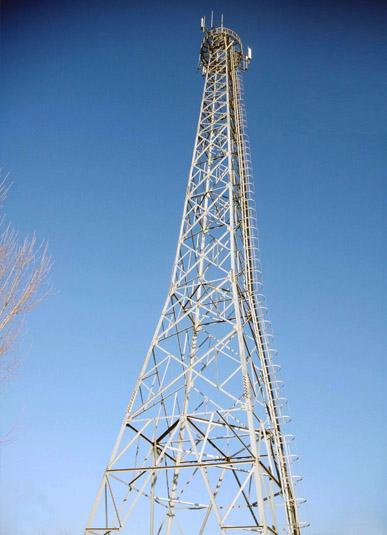
Angle steel towers bring a level of durability that simply isn't matched by many traditional tower designs. The secret lies in the material and the smart engineering behind it. Hot-dip galvanized steel resists rust and corrosion for decades, even in harsh coastal or industrial environments. Unlike wood, which can rot or become infested with pests, or concrete, which may crack under freeze-thaw cycles, angle steel maintains its structural integrity with minimal maintenance. The open lattice framework also allows wind to pass through rather than battering a solid surface, reducing stress on the entire structure over time.
Another reason for their long service life is the ease of inspection and repair. Because every component is visible and accessible, crews can quickly spot and replace any damaged parts without bringing the whole tower down. This modular approach means that a single bad section doesn't spell the end for the rest of the tower. Traditional solid-pole or tubular designs often hide damage until it's too late, leading to sudden failures. With angle steel, the structure's very design encourages proactive upkeep, pushing its reliable lifespan well beyond the 50-year mark in many cases.
Flexibility in design and installation adds to the longevity equation. Angle steel towers can be adapted to a wide range of heights and load requirements without compromising their inherent toughness. They handle thermal expansion and contraction gracefully, avoiding the stress fractures that can plague monolithic alternatives. And because they are bolted together on site, there's no need for heavy curing times or specialized welding that can introduce weak points. Every joint is a potential point of controlled movement, which means the tower can sway slightly under extreme loads and still return to its original form, year after year.
Streamlined Assembly That Saves Time and Resources
When every minute on the production line counts, the assembly process itself becomes a quiet lever for cost control. Instead of tacking on extra inspection steps or relying on complex jigs, we designed the joining points to guide each piece into alignment naturally. This reduces the back-and-forth adjustments that normally eat up labor hours, letting even newly trained operators reach steady output within their first shift.
Material flow and tooling were reconsidered from scratch. We stripped out redundant fasteners and replaced specialized fixtures with common hand tools already available on site. Because the sequence of steps follows a logical, fail-safe order, teams can share tasks without waiting on a single bottleneck station. The result is a steadier pace—and fewer boxes of half-finished units stacking up at the end of the day.
What really cuts hidden resource waste is the near absence of tuning and rework. By retaining a degree of adjustability only where it matters for end-use fit, we avoid over-constraining the system. Less time spent chasing perfection on non-critical interfaces means more capacity for the jobs that actually affect durability and feel—without adding a single minute to the overall build cycle.
Design Flexibility for Demanding Environments
When you're working in tough conditions, the last thing you want is a setup that forces you into a corner. Your gear needs to adapt as fast as the environment changes. That means modular components, adjustable mounting options, and configurations that make sense for your specific use case, whether you're configuring for a mobile rig, a permanent outdoor installation, or a temporary field deployment. It's not about having endless choices, but about having the right ones that let you pivot without re-engineering everything from scratch.
Off-the-shelf solutions rarely survive where dust, vibration, moisture, and temperature swings are the norm. Real flexibility is designing a system that can take a beating and still bend to your needs. This might involve sealed connectors that prevent corrosion, materials that shrug off UV exposure and salt spray, or internal layouts that allow for easy field upgrades. We've learned from countless deployments that the best designs don't just endure; they evolve with the challenge, letting you swap, expand, or reconfigure on the fly while maintaining reliability.
The key is balancing durability with adaptability. It's tempting to over-engineer, but that often leads to bulky, inflexible products. Instead, smart engineering focuses on critical points of failure and uses materials and construction techniques that withstand extreme stress without sacrificing accessibility. For example, using captive fasteners that won't strip or get lost, or incorporating heat management that works passively even in direct sun, means you spend less time fixing and more time getting the job done. That's the kind of flexibility that matters—thoughtful, purpose-built, and proven where others fail.
How These Towers Handle Extreme Weather
Skyscrapers in storm-prone regions are engineered with flexibility in mind, acting more like reeds than rigid poles. The structural skeleton incorporates tuned mass dampers—massive pendulums or fluid-based systems near the top—that sway counter to the building’s motion, dissipating energy from gale-force winds. Facades are tested in wind tunnels to ensure pressures distribute evenly, while tapered or rounded corners reduce vortex shedding that can cause dangerous oscillations. In hurricane zones, reinforced concrete cores and outrigger trusses work together to transfer lateral loads straight to the foundation, keeping the tower stable even when gusts exceed 150 miles per hour.
Extreme heat and temperature swings pose a different challenge, which these towers tackle with innovative facades. Double-skin curtain walls create a ventilated cavity that traps heat in winter and vents it in summer, minimizing thermal expansion stress. High-performance glazing with low-emissivity coatings reflects infrared radiation while allowing daylight to enter, so interior cooling systems don’t get overwhelmed. Some structures even embed phase-change materials within the spandrel panels, absorbing excess heat during the day and releasing it at night, which reduces the thermal fatigue that can weaken steel connections over decades of exposure.
For seismic safety, the approach is less about resisting force and more about outsmarting it. Base isolation systems, using layers of rubber and steel, decouple the tower from ground motion, allowing the earth to shift underneath without transmitting the full jolt upward. In regions with softer soil, viscous dampers installed at key structural nodes absorb shock like hydraulic shock absorbers in a car. Detailed computer simulations model not just the shaking itself but also how the tower’s post-tensioned concrete frame will behave during the aftershocks, ensuring that even if cosmetic damage occurs, the building remains safe to evacuate. These multilayered strategies, often combined, mean today’s tallest structures can ride out nature’s worst with minimal disruption.
Smart Material Choices That Reduce Long-Term Costs
Opting for materials that balance upfront price with long-term durability can dramatically cut maintenance and replacement expenses. Cheap supplies often degrade quickly, leading to frequent repairs or full replacements that add up over time. Instead, focusing on high-quality, resilient options means fewer disruptions and a more consistent budget, freeing up resources for other priorities.
The true cost of a material isn't just its purchase price—it's the total of installation, upkeep, and eventual disposal. For example, composite decking might cost more initially than wood, but it eliminates annual staining, sealing, and rot repairs, saving thousands over a decade. Similarly, investing in corrosion-resistant metals in humid or coastal environments avoids the recurring expense of rust treatment and part replacements.
Smart selection also considers energy efficiency and longevity. Insulated concrete forms or high-performance windows may have steeper price tags, yet they slash heating and cooling bills year after year. When you choose materials engineered for the specific demands of your project—whether it's UV resistance, thermal stability, or impact strength—you create a low-maintenance asset that pays for itself over time.
Real-World Applications Where Angle Steel Excels
From the skeletons of high-rise structures to the silent support beneath factory floors, angle steel hides in plain sight. Its L-shaped profile is a workhorse in building frames, bracing systems, and roof trusses, where it resists bending and buckling under heavy loads. In busy warehouses, you'll spot it forming rugged shelving units that bear tons of goods without complaint. Offshore, angle steel finds a salty home in ship bulkheads and deck supports, shrugging off harsh marine environments with galvanized protection. Even towering wind turbines lean on angle steel lattice towers for stability in gusty plains.
But the real magic unfolds in less expected places. Power line transmission towers stitch across wilderness, each joint relying on angle steel's easy bolted connections and high tensile strength. In railway electrification, small galvanized angles suspend overhead cables with precision. Prefabricated metal staircases, fire escapes, and pedestrian bridges all exploit its quick assembly and corrosion resistance. Greenhouses and solar panel frames take advantage of slotted angle steel tracks that let panels tilt into the sun. This material shines wherever modular design, field adjustments, and strength-to-weight efficiency meet real-world grit.
FAQ
Their unique L-shaped cross-section offers excellent strength-to-weight ratio, resisting buckling and ensuring stability even under heavy loads and harsh weather.
With proper galvanization or coating, they withstand rust and chemical exposure, making them ideal for coastal or industrial sites where moisture and pollutants are common.
Definitely. The modular design allows engineers to easily adjust dimensions, bolt patterns, and thickness, accommodating everything from modest utility poles to tall transmission structures.
Routine inspections for bolt tightness, occasional repainting of protective layers, and vegetation control around the base are typically enough to ensure long-term reliability.
Yes, steel is 100% recyclable, and the production process increasingly uses scrap metal and renewable energy, reducing the carbon footprint compared to many alternatives.
While upfront material costs may be slightly higher, faster assembly, less foundation work, and lower long-term maintenance often make angle steel towers more economical over their lifespan.
Conclusion
Angle steel towers have steadily gained recognition as a superior alternative to conventional structural supports, and for good reason. Their extended service life springs from an innate resistance to corrosion and fatigue—characteristics that leave traditional steel or concrete options lagging behind. Unlike bulkier frameworks, these towers employ a lattice design that makes transportation and on-site assembly remarkably swift, requiring fewer workers and less heavy machinery. This not only trims project timelines but also slashes labor and logistical expenses. Moreover, the inherent design flexibility means engineers can tailor tower geometry to navigate complex terrains or meet specific height and load requirements without compromising stability. From remote wind farms to urban communication hubs, angle steel towers adapt effortlessly.
What truly sets these structures apart is their exceptional performance in harsh climates. Galvanized coatings and carefully selected alloys form a robust barrier against moisture, salt spray, and UV exposure, effectively preventing the gradual weakening that plagues many standard towers. By integrating smart material choices from the outset, long-term maintenance burdens and replacement costs drop significantly, yielding a lower total cost of ownership. Real-world deployments speak volumes: angle steel towers reliably support power transmission lines across hurricane-prone coasts, provide backbone for telecommunication networks in earthquake zones, and serve as observation platforms in icy mountains. In each case, their blend of resilience and economics makes them an unmatched investment for durable, efficient infrastructure.
Contact Us
Contact Person: antor khan
Email: [email protected]
Tel/WhatsApp: 8613863903569
Website: https://www.qdabtower.com/